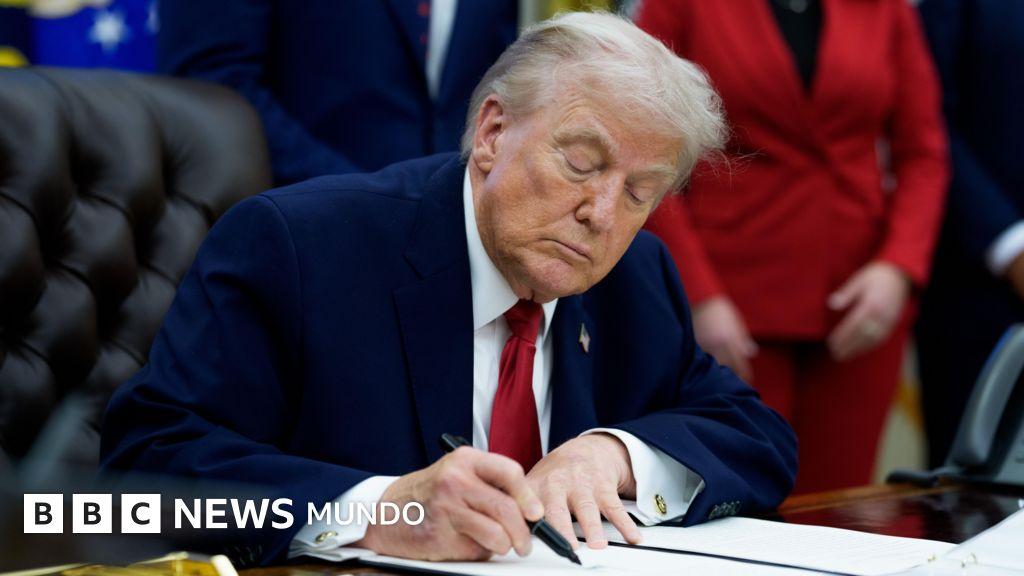
U.S. Sanctions Cuban President Miguel Díaz-Canel, Freezes Assets of His Family
Key Takeaways
- Miguel Díaz-Canel designated by U.S. Treasury on the SDN list.
- Sanctions also target Diaz-Canel's wife and Raúl Castro's son Alejandro Castro Espín.
- Announced June 4, 2026, as part of a broader U.S. pressure campaign.
New sanctions on Díaz-Canel
The United States imposed sanctions on Cuban President Miguel Díaz-Canel, along with his wife and three other individuals, according to a filing Thursday from the U.S. Treasury Department.
The sanctions also included Alejandro Castro Espín, described as the sole son of former President Raúl Castro and Vilma Espín, and his son Raúl Alejandro Castro Calis was also listed.
The penalties came after President Donald Trump signed an executive order expanding sanctions against the island and has been threatening military action in Cuba since ousting Venezuelan leader Nicolás Maduro in January and then ordering an energy blockade that choked off fuel shipments to Cuba.
The new sanctions freeze individuals’ property and bank accounts in the U.S., though it was described as unclear how intertwined their finances are with the U.S. financial system.
In a statement, Secretary of State Marco Rubio said the designated today “direct or fund the regime and its efforts to mobilize its radical revolutionary movements in the United States and around the world.”
Trump’s rhetoric and Cuba’s response
Asked Thursday if his sanctions were meant to accelerate Cuba’s collapse, Trump said, “We just want them to be a nicely run country.”
Trump told reporters at an Oval Office event, “The country is starving and it’s got no energy, it’s got no oil, it’s got no money, it’s got nothing.”
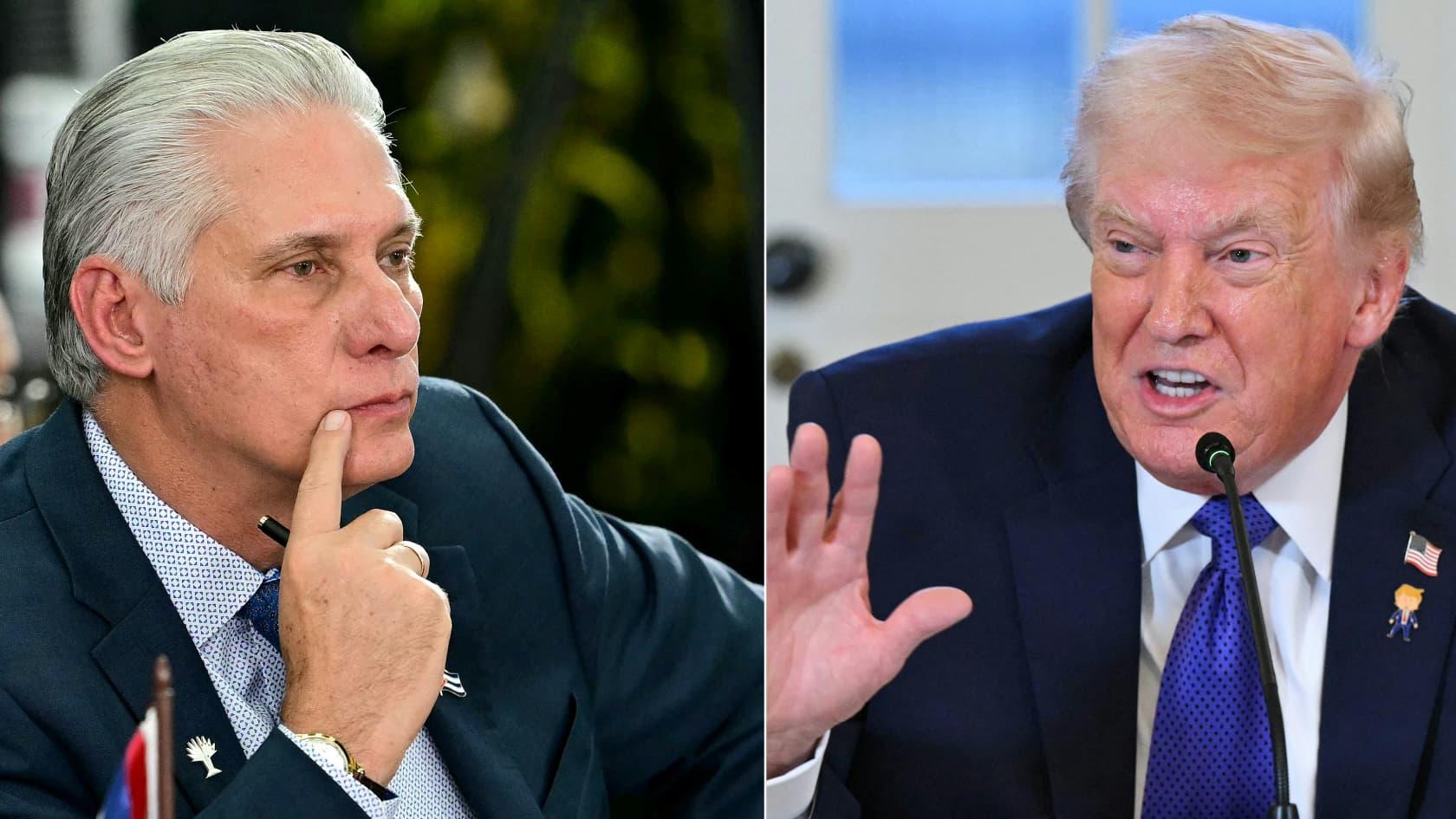
Cuba’s minister of foreign affairs Bruno Rodríguez condemned the new sanctions in a social media post, writing that “Every US action aimed at creating a scenario of conflict between the two countries is destined to fail.”
The same post said the “vile inclusion” of Díaz-Canel and others was “the latest example of the US interventionist plan to portray Cuba as a threat to US national security,” according to the Toronto Star’s account.
The Toronto Star also said the threats took on additional weight after the U.S. announced criminal charges against Raúl Castro last month.
Targets, scope, and what’s next
In addition to individuals, the sanctions also targeted Cuba’s defense ministry, its Institute for the Friendship with the Peoples, Amistur Cuba, and the Committees for the Defense of the Revolution, according to the Toronto Star.
“The president of Cuba, Miguel Diaz-Canel, on Friday, January 30, denounced the attempt by U”
The Toronto Star said the new sanctions also apply to non-American entities that might do business with those targeted, and that they freeze any assets that those targeted may have in U.S. jurisdictions or any that come into U.S. jurisdictions.
The Jerusalem Post said the U.S. Treasury Department’s website showed sanctions on Díaz-Canel and also targeted five entities, including the Revolutionary Armed Forces of Cuba Ministry.
The Jerusalem Post reported that Díaz-Canel, 60, has served as president since taking over from Raúl Castro’s brother Fidel Castro in 2018, and it described the Thursday action as the latest by Washington to intensify pressure on the island’s communist leaders.
The Jerusalem Post also quoted Trump telling reporters that the U.S. wanted Cuba “to be a nicely run country.”
More on USA

7th Circuit Upholds Illinois Protect Illinois Communities Act Ban on Semiautomatic Guns
12 sources compared
Indiana State Police Trooper Justin Heflin Shot During Pursuit; Suspect Kevin W. Meyers Found Dead
10 sources compared

Donald Trump Fires Election Assistance Commission Members, Leaving No Commissioners
12 sources compared

Eight Accused Of Planning Terror Attack At Casa Blanca UFC Freedom 250 Event
18 sources compared