Full Analysis Summary
Sanctions on UN rapporteur
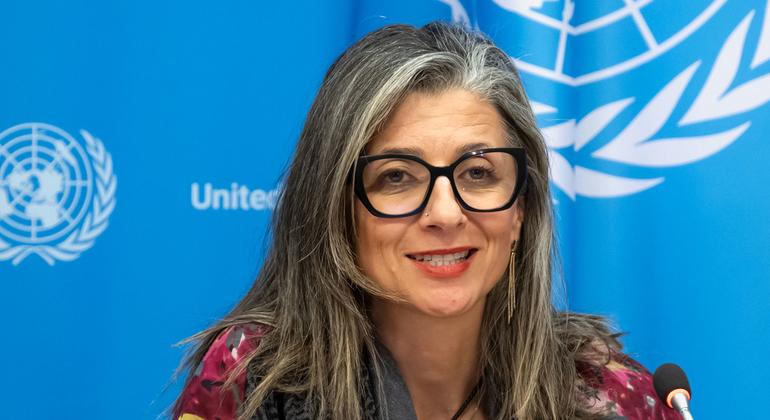
The United States announced sanctions against UN Human Rights Council-appointed Special Rapporteur Francesca Albanese.
Senator Marco Rubio alleged she had directly engaged with the International Criminal Court to investigate or prosecute US or Israeli nationals and called that a "gross infringement" on sovereignty.
UN officials sharply criticized the move as unlawful and dangerous to the UN human-rights system, with spokesperson Stéphane Dujarric calling the sanctions a "dangerous precedent."
The sanctions came despite the US and Israel not being parties to the ICC's Rome Statute, and UN officials urged states to engage with the UN system rather than punish mandate holders.
Coverage Differences
Focus and framing
UN News (Western Mainstream) focuses on the procedural and institutional implications of the US sanctions — framing the measures as a ‘dangerous precedent’ that threatens UN mandate holders and institutions, and emphasizing calls for reversal. Middle East Eye (Western Alternative) does not focus primarily on the sanctions; instead it reports wider outrage over Israeli actions and frames Israeli measures as part of a broader assault including the UNRWA ban and allegations of systematic killing that some sources call ‘genocide’. UN News reports institutional statements (Dujarric, Türk, Lauber) while Middle East Eye highlights activist and affected-population language (quotes invoking ‘genocide’) and the ICJ examination of Israeli actions against the UN.
UN calls to reverse sanctions
UN human-rights leaders demanded an immediate reversal of the sanctions and warned that punitive measures risk intimidating and silencing experts who document abuses.
UN High Commissioner for Human Rights Volker Türk explicitly demanded a "prompt reversal."
Jürg Lauber, President of the Human Rights Council, said Special Rapporteurs are essential to the Council's work and urged states not to use intimidation or reprisals.
UN sources emphasized that mandate holders are independent, unpaid experts whose work is mandated by the Human Rights Council, underscoring the institutional vulnerability when a member state imposes unilateral punitive measures against those monitors.
Coverage Differences
Tone and institutional emphasis
UN News (Western Mainstream) places emphasis on institutional norms and the independence of Special Rapporteurs, warning that sanctions undermine the human-rights system and calling for protection of mandate holders. Middle East Eye (Western Alternative) offers a more explicit political and moral framing of the situation on the ground — quoting voices that characterise Israeli actions as ‘genocide’ and linking the UNRWA ban and ICJ actions to broader allegations of violations of the UN Charter. The UN-focused reporting centers on procedural protections, whereas MEE centers popular and legal outrage at Israeli measures.
Albanese sanctions controversy
Francesca Albanese's criticisms of Israel's military operations in the occupied Palestinian territory are central to the controversy.
Middle East Eye reports that activists and some speakers directly referred to the killing of Palestinians and used the term 'genocide'.
The outlet quoted voices saying 'We will do everything that it takes. We will continue to do what we do to stand against the genocide.'
UN News provides background on the role of Special Rapporteurs and notes that they are independent experts tasked with monitoring human rights worldwide.
The sanctions target such an expert because of alleged engagement with the ICC.
Together, the sources show a split between institutional defenses of mandate independence and grassroots or alternative outlets framing Israeli military action as systematic killing labelled 'genocide'.
Coverage Differences
Use of the term 'genocide' and attribution of actions
Middle East Eye (Western Alternative) includes direct quotes that frame Israeli actions as ‘genocide’ and reports vows to resist that genocide; this is explicit language attributing systematic killing to Israel as reported by MEE. UN News (Western Mainstream) does not label the situation as genocide in its reporting of the sanctions story; it focuses on the sanctioning of a UN expert and the institutional response, and it frames the issue in terms of mandates, procedure and protection of experts rather than characterizing the conflict in genocidal terms.
How outlets frame sanctions
The sources differ sharply in scope and emphasis.
UN News (Western mainstream) treats the issue mainly as an attack on UN procedures and the safety of mandate holders, repeatedly quoting UN officials who call for reversal and protection, and framing the sanctions as an institutional threat.
Middle East Eye (Western alternative) foregrounds the lived reality in Gaza and the political-legal backlash to Israeli steps, reporting ICJ scrutiny after Israel’s ban on UNRWA and publishing direct quotes from those who describe Israeli action as genocide.
These differences show how source type influences narrative: mainstream UN-centred reporting highlights institutional norms and the protection of experts, while alternative outlets amplify urgent moral language and allegations of systematic killing.
Coverage Differences
Narrative and omissions
UN News emphasizes institutional response and the role of Special Rapporteurs; it omits the activist language and direct characterisation of Israeli actions as ‘genocide’ that Middle East Eye reports. Middle East Eye includes that activist and legal framing, highlighting the UNRWA ban and ICJ examination and quoting calls to resist the ‘genocide’. Thus UN News focuses on protecting UN processes whereas Middle East Eye centers allegations of systematic killing and legal-political consequences for Israel.
Consequences of sanctioning UN
The broader legal and political consequences of sanctioning a UN mandate holder remain unclear and contested across reports.
Observers debate whether sanctions will deter or silence UN experts and how such actions will affect investigations into alleged Israeli abuses.
UN News calls for reversal of the sanction and for protection of mandate holders.
Middle East Eye reports that people and some legal actors describe Israeli measures — including the UNRWA ban and military operations in Gaza — as violations rising to the level of genocide.
Those actors have pursued legal avenues such as examination by the International Court of Justice (ICJ).
The available sources show a real clash between protecting institutional human-rights monitoring and urgent allegations from alternative reporting that Israeli military operations amounted to systematic killing of Palestinians.
Coverage Differences
Uncertainty and contested legal framing
Both sources agree the sanctions are controversial, but differ on what they emphasize as the core problem. UN News stresses institutional harm and calls for safeguarding UN procedures; Middle East Eye emphasizes alleged crimes by Israel (reporting activists’ use of ‘genocide’) and legal scrutiny via the ICJ after the UNRWA ban. The sources therefore leave unresolved whether the sanctions will chiefly damage the UN human-rights system or whether they are part of a wider political campaign connected to Israel’s operations that critics call genocidal.