USA14 February, 20262 min read
US Secretary of State Marco Rubio Pledges Washington Will Not Abandon Transatlantic Alliance, Urges 'Reinvigorated' Partnership
United States will not abandon the transatlantic alliance, seeks a reinvigorated partnership with Europe Urged European allies to increase defence spending and assume greater responsibility for their own defence
54 outlets told this the same way.
Outlets did split on Trump Interrupted by Protesters at San Antonio Rally for Ken Paxton →
Rubio at Munich Security Conference
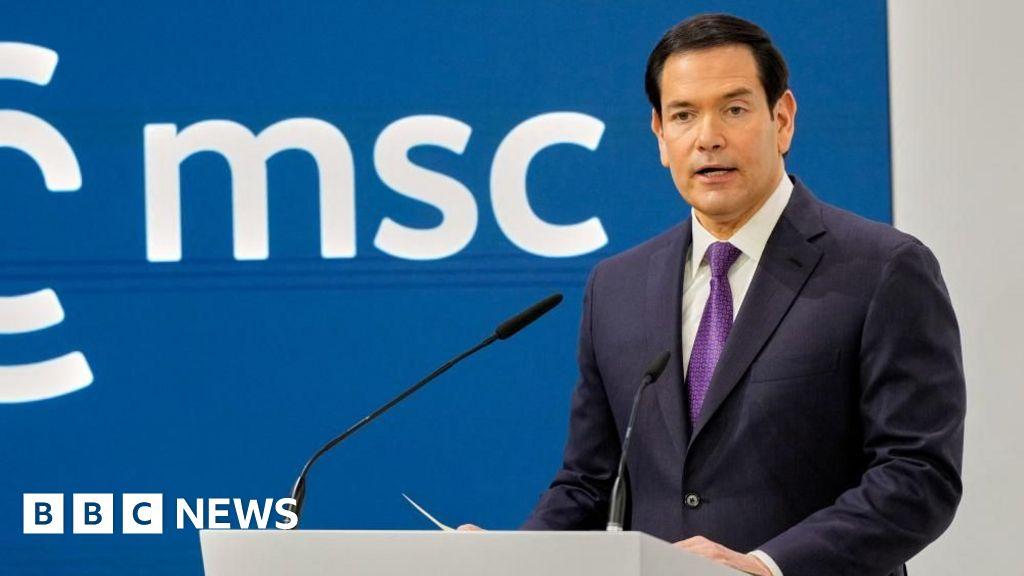
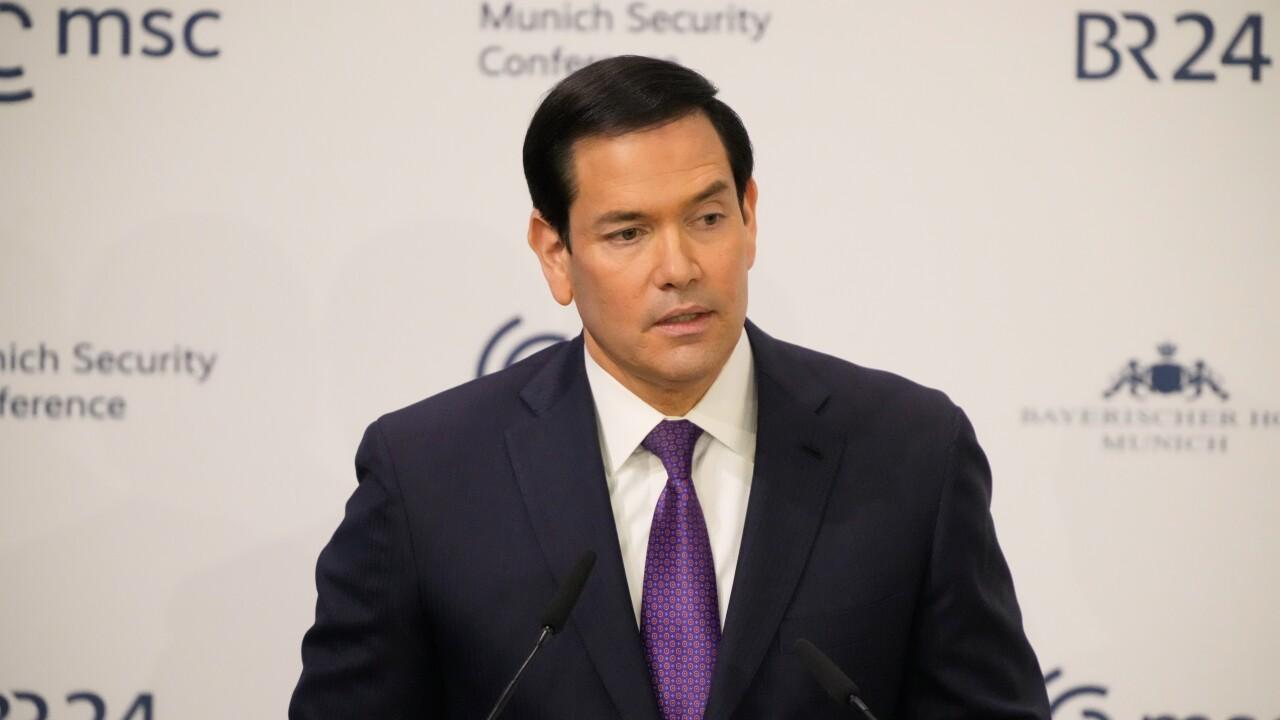
At the Munich Security Conference, U.S. Secretary of State Marco Rubio pledged that Washington will not abandon the transatlantic alliance and called for a 'reinvigorated' partnership in which a strong Europe partners with the United States.
France 24 reports he pledged to 'revitalise' the transatlantic alliance, saying 'Europe and the US belong together'.

BBC says he sought to reassure that the US and Europe's destinies 'will always be intertwined'.
CNBC notes he 'reassured Europeans that the United States will not abandon its alliance with Europe'.
TRT World likewise summarised his message as seeking to 'revitilise' the alliance so a 'strong, sovereign Europe can partner with the US'.
Reception of Rubio's speech
Rubio's delivery was widely described as noticeably more conciliatory than the U.S. interventions at last year's conference.
Many reporters said that tone produced visible relief among delegates.

Time and the BBC both contrasted Rubio's softer delivery with the combative 2025 intervention by J.D. Vance.
Time called it a "softer, more conciliatory speech than last year's U.S. contribution from J.D. Vance."
BBC noted the tone was "notably milder."
Luxembourg Times quoted Munich chair Wolfgang Ischinger welcoming Rubio's conciliatory approach as a relief.
Radio Free Europe/Radio Liberty reported Rubio's calmer delivery "earned sustained applause and a partial standing ovation," underscoring the positive reception.
Rubio's Western policy critique
Rubio laid out sharp critiques of policies he said contributed to Western weakness. He blamed deindustrialization, 'mass migration', and some climate and trade policies for eroding social and economic resilience. BBC reports he called immigration a "threat to civilisation," denounced a "climate cult," and faulted a "dogmatic vision of free and unfettered trade."
Politico.eu summarised these themes as part of a push to reshape the postwar order around national sovereignty and reindustrialisation. Luxembourg Times records Rubio invoking a shared "great civilisation" as the cultural glue for renewed U.S.-Europe cooperation.
Rubio on Ukraine talks
Rubio said progress has narrowed the list of negotiable issues in talks with Russia but he questioned whether Moscow was genuinely serious about ending the war. RFE/RL reported he was probing 'Russian seriousness about negotiations.'
Time and Firstpost recorded Rubio saying he did not know if Russia was serious about ending the war and that the pool of negotiable issues had narrowed. Defence Industry Europe summarised Rubio's caution while noting continued U.S. support for sanctions and allied programs to secure a settlement.
European reactions to Rubio
Sources show a mix of relief about Rubio's tone and scepticism about his speech's substance. Moneycontrol reports that some Europeans welcomed Rubio’s tone while others said US policy substance hadn’t changed, and Hürriyet Daily News similarly says European responses ranged from welcoming to seeing the speech as a more polite restatement of existing U.S. positions.
“European reactions ranged from welcoming to seeing the speech as a more polite restatement of existing U.S. positions.”
Critics flagged absences and limited policy detail, with BreakingNews.ie saying Rubio faced criticism for skipping a meeting of Ukraine’s allies, and Time and others describing the speech as light on concrete new policies. The Associated Press corrects inconsistent title usage in other reports by noting Rubio is a senator, not the secretary of state, which highlights that source differences can extend even to basic labels.