Gaza Genocide04 November, 20252 min read
US Seeks UN Mandate to Occupy and Control Gaza for Two Years
This article is an automated aggregation of coverage from news outlets. Our editorials offer in-depth analysis curated by the NewsCord team.
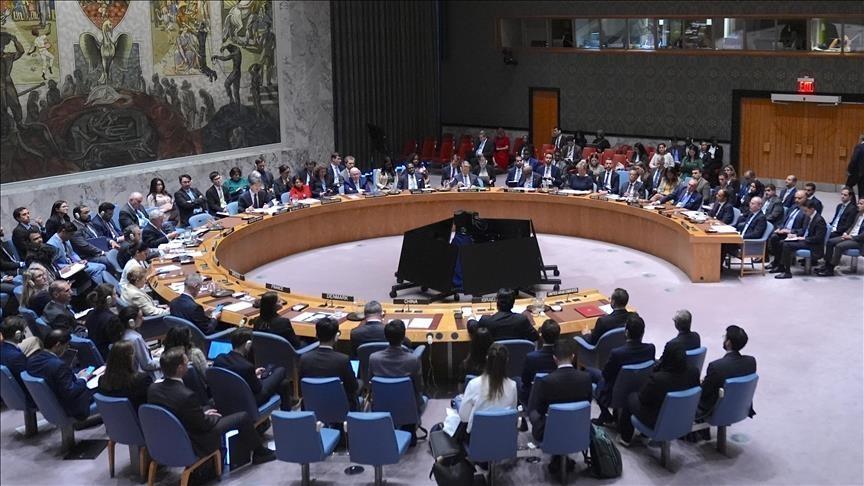
The US circulated a UN draft resolution for a two-year international security force in Gaza. The proposed mandate includes broad authority for the US and partners to govern and stabilize Gaza.

11 outlets told this the same way.
US Proposal for Gaza Stabilization
The United States has circulated a draft UN Security Council resolution to set up a two‑year International Stabilization/Stabilisation Force (ISF) and a transitional “Board of Peace” to run Gaza’s security and reconstruction. The draft gives the ISF authority to use force, secure Gaza’s borders with Israel and Egypt, protect civilians and humanitarian zones, support and train a newly vetted Palestinian police, and work to demilitarize armed groups including Hamas. Several outlets explicitly link the plan to Donald Trump’s Gaza framework, framing this as a US-backed push to end Hamas governance and impose a transitional order while reconstruction is organized through a dedicated trust fund and international financing.
“The United States has drafted a United Nations resolution proposing a two-year mandate to establish a transitional governance body called the Board of Peace and an International Stabilization Force (ISF) in Gaza.”
ISF Role and Authority in Gaza
Multiple outlets characterize the ISF as an enforcement mission with power to act, not a classic UN peacekeeping presence. Some describe sweeping responsibilities that reach into day-to-day control, including border protection, civilian safety, securing humanitarian routes, training and vetting a new Palestinian police force, dismantling military and terrorist infrastructure, and forcing disarmament if groups such as Hamas refuse to disarm voluntarily. One account even says the ISF would have broad authority to govern Gaza, underscoring the degree of external control sought during the transition.
UN Security Council Timeline
Timelines and process vary sharply across reports. Some say the UN Security Council will take this up immediately, while others indicate the draft has not even been formally submitted. Proposed deployment dates range from "by January" to January 2026.
“The draft has been shared with some countries but has not yet been formally submitted to the UN Security Council, and the timing for a vote remains unclear.”
There is also divergence on how long transitional bodies would remain in place. There are repeated references to at least the end of 2027 for the Board of Peace’s role.
International Military Coordination Challenges
Participation and command in the mission are contentious issues. The US reportedly rules out sending its own troops and wants a unified command with input from Egypt and Israel. The US aims to draw contributions from states such as Indonesia, UAE, Egypt, Qatar, Turkey, and Azerbaijan.
Israel opposes Turkish troop participation. Regional leaders show reluctance to join a mission expected to fight and forcibly disarm Hamas.
Turkey’s foreign minister says any troop commitments depend on the final wording of the UN resolution. Coverage also notes cooperation with a newly trained Palestinian police force under the ISF umbrella.
Perspectives on Peace Plan Coverage
Politics and messaging around the plan diverge. Some frame it squarely as a Trump-driven blueprint. Israel Hayom says the resolution is based on Trump’s “comprehensive peace framework” and “20-Point Plan.”
“The UN Security Council is preparing a resolution based on President Donald Trump's comprehensive peace framework… draws from Trump's '20-Point Plan'.”
The Australian refers to a Trump-backed ‘Board of Peace.’ Other Asian outlets emphasize an internationally recognized Board of Peace with legal status, lasting until at least 2027, and a financial reconstruction track. Israel Hayom also reports a proposed “buffer” along a “yellow line” to enable a “safe exit for terrorists.”
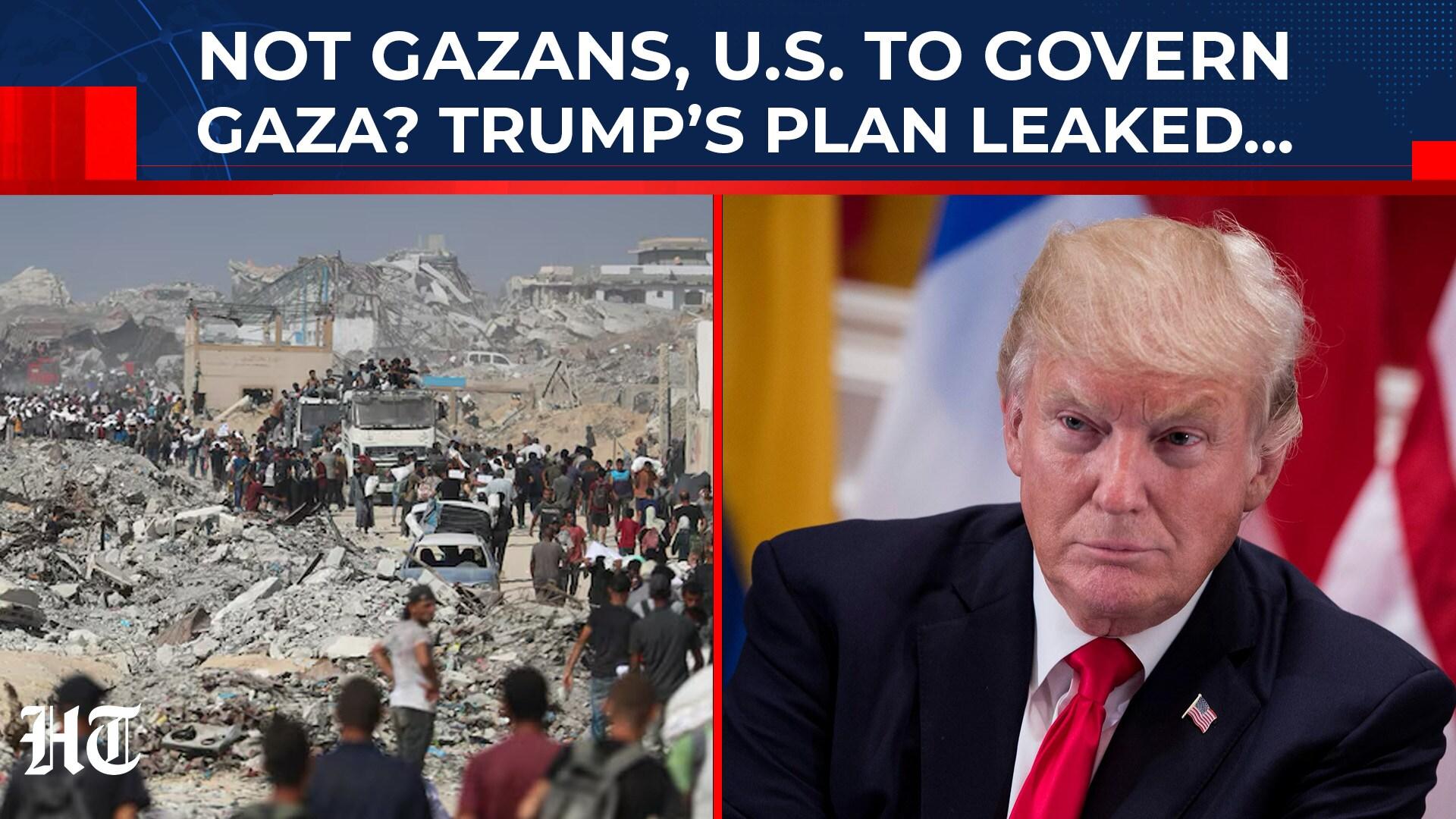
The Australian situates the plan amid a ceasefire context that has involved return of remains of Israeli soldiers and hundreds of Palestinians. Firstpost includes an off-topic note about a separate Trump–Xi “Group of 2,” showing how some coverage folds in broader geopolitics.