Gaza Genocide04 November, 20252 min read
US Seeks UN Mandate to Occupy and Govern Gaza with International Force for Two Years
The US circulated a draft UN Security Council resolution for a two-year Gaza stabilization force. The resolution proposes an international force with broad authority to govern and secure Gaza.

19 outlets told this the same way.
Outlets did split on Israel Marks Oct. 7 Anniversary With Strikes on Gaza, Netanyahu Faces Election After Nova Tribute →
US Plan for Gaza Stabilization
The United States is pushing a UN Security Council mandate for a two-year International Stabilization Force (ISF) and a transitional “Board of Peace” to govern Gaza. This mandate would grant explicit authority to use force, secure the borders with Israel and Egypt, train a new Palestinian police, and dismantle armed groups’ infrastructure. Several outlets describe the ISF as an enforcement force rather than a traditional peacekeeping mission.
“The United States has drafted a United Nations resolution proposing a two-year mandate to establish a transitional governance body called the Board of Peace and an International Stabilization Force (ISF) in Gaza.”
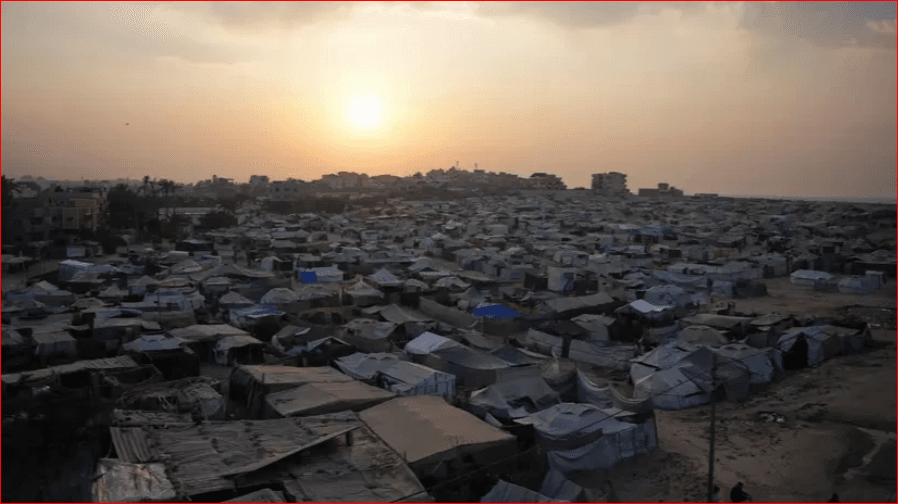
The ISF is tasked with demilitarization and administering the territory as Israeli forces withdraw under a US-brokered ceasefire. This ceasefire has included exchanges of remains and hostages.
Coverage consistently links the move to former President Donald Trump’s Gaza plan. Some sources note that the mandate is extendable and that there will be a gradual drawdown of the Israeli Defense Forces once the ISF takes hold.
Proposed Gaza Transitional Governance
The transitional governance concept centers on a Board of Peace that would coordinate reconstruction, oversee civil administration, and work with an ISF and a technocratic Palestinian committee. Multiple outlets say this structure could run until at least the end of 2027 or until Palestinian Authority reforms are completed, effectively placing Gaza under internationally supervised rule for years.
One Asian outlet uniquely claims the Board would be chaired by Donald Trump and include Tony Blair, while others describe the Board more generically. These sources note that Israel rejects any role for Hamas and is hostile to Palestinian Authority involvement absent significant reforms.
Regional Troop Contributions Debate
Washington seeks broad troop contributors while ruling out deploying US soldiers. It wants a unified command coordinating with Israel and Egypt and a new Palestinian police. Israel opposes Turkish troop involvement, even as Turkey publicly seeks a central role.
“Israel strongly opposes Turkish involvement due to Turkey’s support for Hamas...”
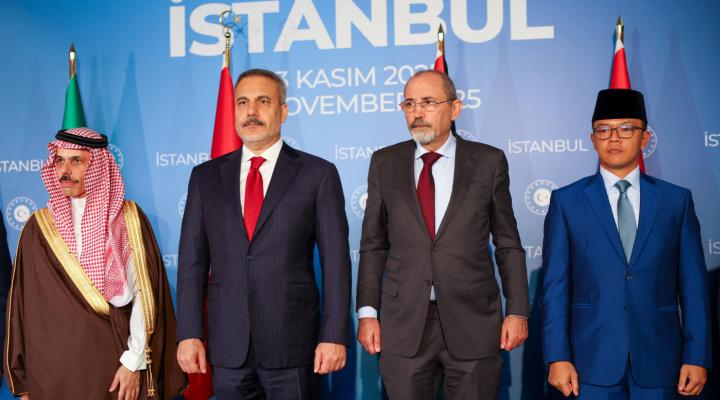
Several Muslim-majority states signal interest in contributing troops. Regional governments are split over how closely the force should work with the Israel Defense Forces.
There is also disagreement on whether the mandate should include disarmament oversight. Some Arab states reject disarmament oversight in favor of stricter peacekeeping.
Timeline and Deployment Concerns
Timelines vary across reports regarding the mandate duration and deployment schedule. Some sources mention a minimum two-year mandate with the possibility of renewal. Others suggest that governance and security mechanisms could continue until the end of 2027.
One report states that troop deployment is targeted for January. Another source indicates deployment could be as late as January 2026. Israeli officials reportedly fear that Washington’s aggressive timetable and detailed framework might force Israel into externally imposed terms before its leadership finalizes its own policy.
Challenges in UN Peace Mission
Diplomatic hurdles are significant. Arab governments insist on a UN mandate before committing troops, a stance the UN Secretary-General supports. China, Russia, and Algeria are expected to safeguard Security Council authority, making vetoes and complex negotiations likely.
“Arab nations insist the mission must have U.N. authorization before committing troops, a stance supported by U.N. Secretary-General Antonio Guterres. China and Russia are expected to pose challenges...”
Passing any resolution would require nine affirmative votes and no veto from the five permanent members. Experts argue the mission must be peace enforcement rather than traditional peacekeeping.

Some coverage underscores uncertainty but also renewed international engagement. Other reporting details contentious issues like disarmament oversight, coordination with the IDF, and politically charged Security Council reporting requirements.