South America09 January, 20263 min read
U.S. Seizes Fifth Venezuelan Oil Tanker, Widens Blockade Against Maduro
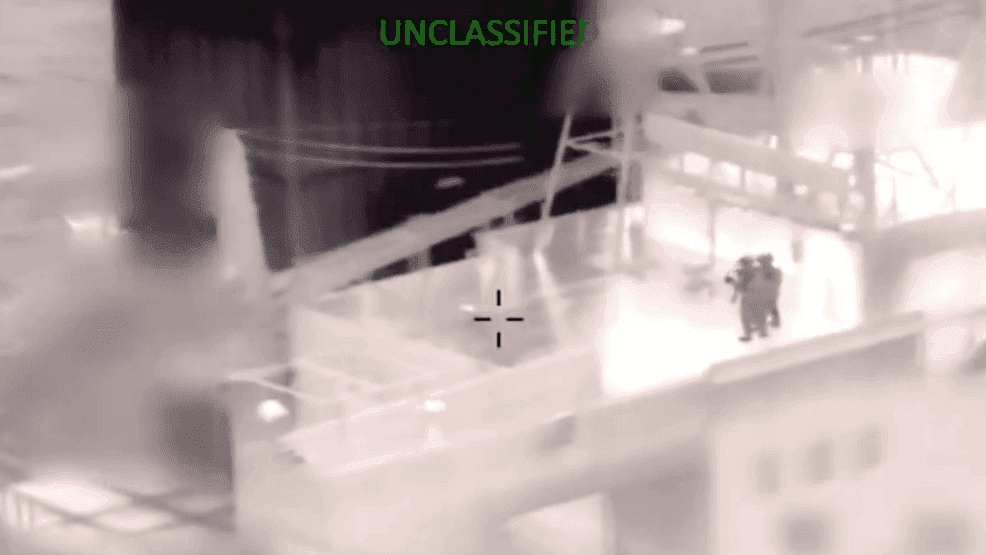
U.S. forces seized the tanker Olina in the Caribbean, the fifth interdicted recently. Marines, sailors and Coast Guard boarded Olina from USS Gerald R. Ford pre-dawn without incident.
36 outlets told this the same way.
Outlets did split on Alexandre de Moraes Orders Eduardo Bolsonaro Arrest, Cancels Passport, Enforces Four-Year Sentence →
Seizure of Venezuelan-linked tanker
U.S. forces on Jan. 9 seized the tanker Olina in a pre-dawn operation in the Caribbean.
“Southern Command released video showing what appears to be an MH-60R Seahawk over the vessel and said the Coast Guard is escorting the Olina to the United States for disposition, calling the action proof that ‘there is no safe haven for criminals.’”
The action was the fifth interdiction in a recent campaign to block Venezuelan oil exports.

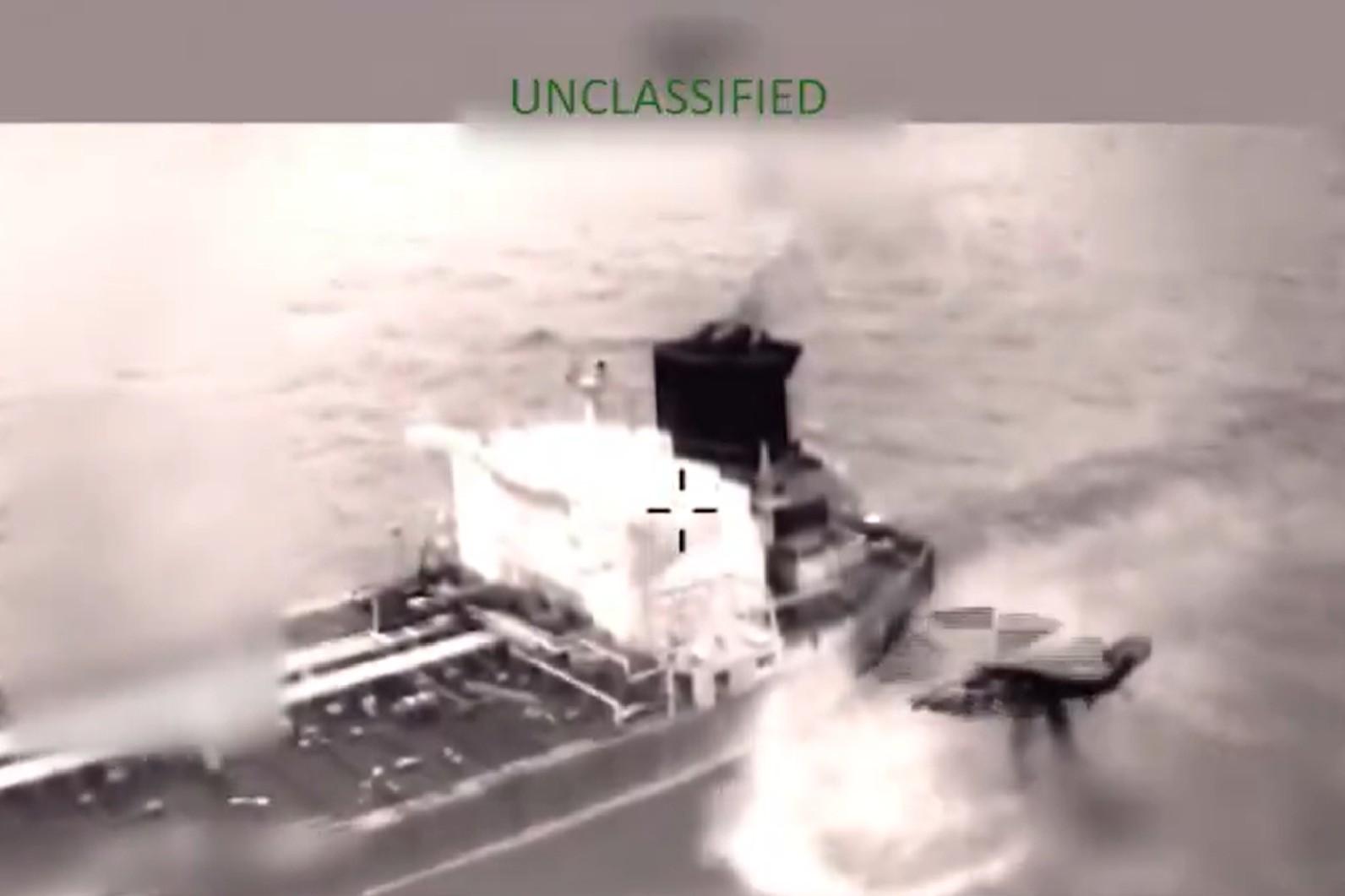
U.S. Southern Command said the vessel was apprehended without incident and released video showing what appears to be an MH-60R Seahawk over the ship.
Southern Command framed the operation as evidence there is 'no safe haven for criminals'.
Multiple outlets reported that Marines and sailors from Joint Task Force Southern Spear launched from the aircraft carrier USS Gerald R. Ford to board the vessel.
The Department of Homeland Security and the U.S. Coast Guard are escorting the tanker to the United States for disposition.
The seizure follows several other interdictions of tankers that U.S. officials say are linked to Venezuela.
Officials say it is part of an expanding effort the administration describes as a blockade on sanctioned Venezuelan oil.
Interdicted tankers and sanctions
U.S. officials and many outlets say the interdicted tankers are carrying oil owned by Venezuela’s state firm PDVSA. They add that the Olina had sailed from Venezuela fully loaded while reportedly flying a false Timor-Leste flag, and maritime tracking shows its AIS was last active about 52 days earlier in Venezuela’s exclusive economic zone.
Several sources note the vessel had previously sailed under names such as Minerva M and had been sanctioned in the past. U.S. administration statements frame these seizures as enforcement of global sanctions and as efforts to cut off illicit funding streams tied to networks aligned with Maduro.
Interagency maritime operation overview
U.S. Marines and sailors from Joint Task Force Southern Spear launched from the USS Gerald R. Ford and were backed by an Amphibious Ready Group that included USS Iwo Jima, USS San Antonio, and USS Fort Lauderdale.
Coast Guard cutters and Department of Homeland Security personnel were reported to have escorted the vessel and participated in escorting and prosecuting actions.
Video released by U.S. Southern Command shows a helicopter approaching the vessel.
Homeland Security Secretary Kristi Noem publicly praised the operations and signaled continued seizures aimed at disrupting illicit revenue streams.
Venezuelan oil seizures
The seizures carry clear geopolitical overtones. U.S. interdictions this month have included vessels tied in reporting to Russian-linked shipments and a so-called 'shadow' or 'ghost' fleet of tankers thought to obscure the origin and destination of cargoes. The Marinera (formerly Bella 1) and the Sophia are cited in multiple accounts as recent examples that have provoked diplomatic reactions.
Some reports warn the actions risk straining ties with Russia and other buyers of Venezuelan crude. At the same time, White House and administration rhetoric, including public comments about taking control of Venezuelan oil sales and meeting oil executives, signals a policy intent to seize leverage over Venezuela’s energy assets.
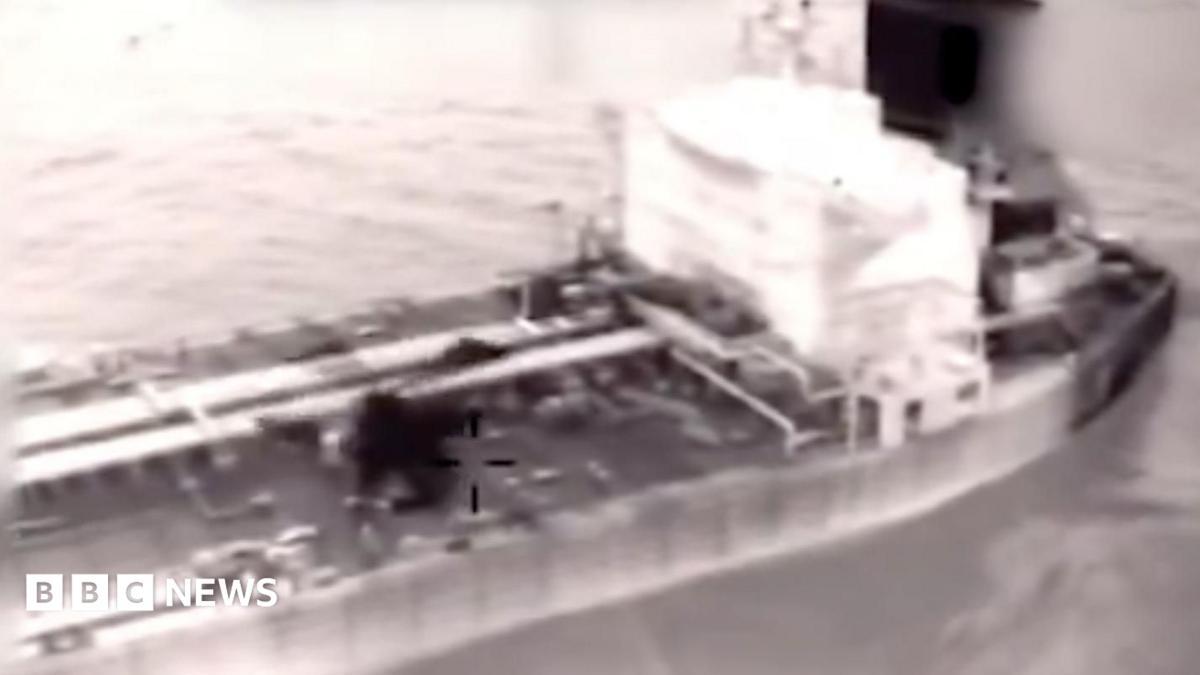
Reporting on capture and blockade
Reporting shows clear gaps, contested claims, and divergent emphasis across outlets. Several news organizations repeat or reference a claim that U.S. forces captured President Nicolás Maduro; some pieces note the dramatic assertion but flag it as unverified or implausible, and independent checks and other outlets urge caution. Many reports defer detailed legal questions—ownership of seized cargo, prosecutorial plans, and how long the U.S. will control or dispose of seized barrels—to the Department of Homeland Security or the Justice Department, leaving open how the blockade will be administered and challenged in court.
“Questions about the ship’s ownership or sanction status were deferred to DHS and the Justice Department; the U.S. Coast Guard declined to comment.”