USA10 November, 20253 min read
US Senate Advances Bill to End Longest Government Shutdown, Restore Federal Worker Pay
Senate voted 60-40 to advance a bipartisan stopgap funding bill ending 40-day shutdown Bill funds government through January 30, restores federal worker pay, and halts layoffs
35 outlets told this the same way.
Outlets did split on Trump Interrupted by Protesters at San Antonio Rally for Ken Paxton →
U.S. Senate Ends Federal Shutdown
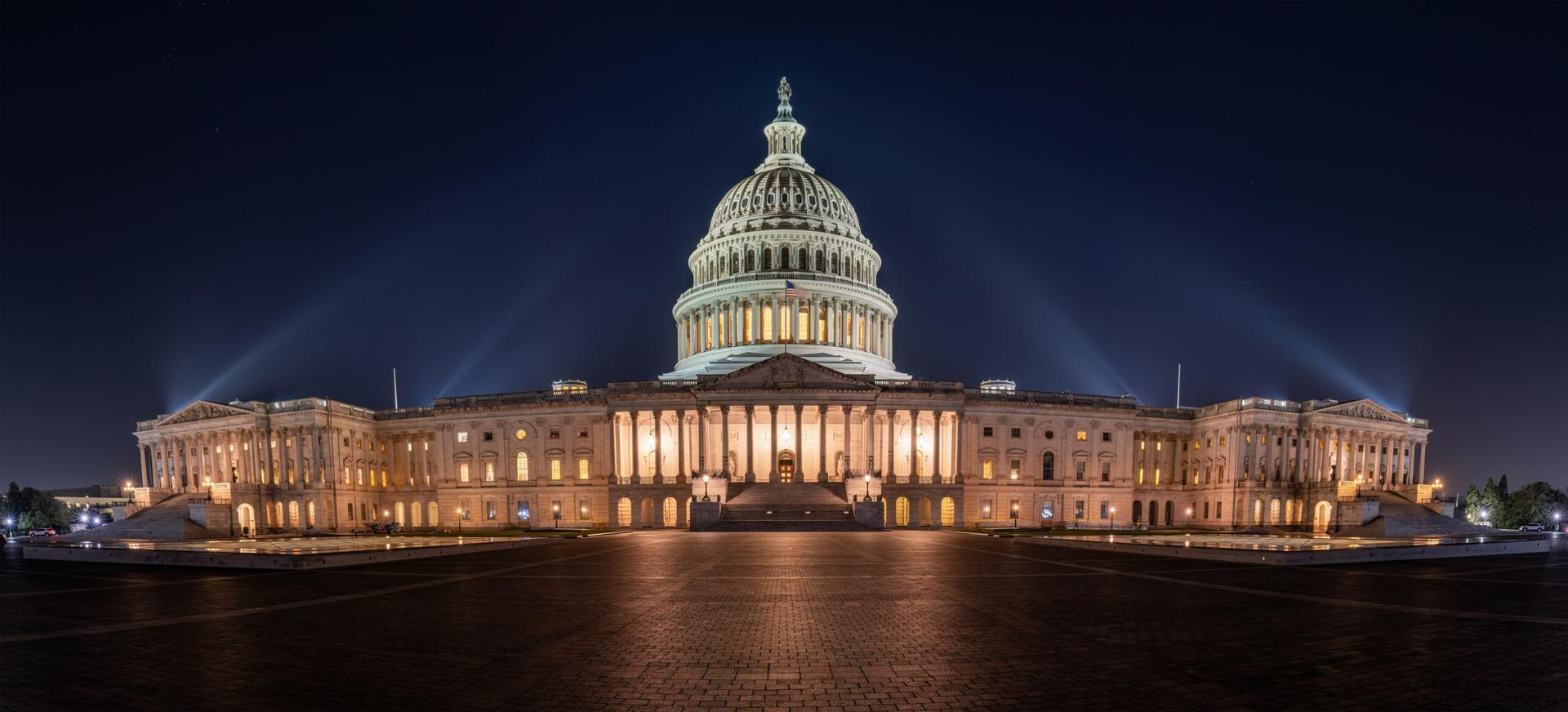
The U.S. Senate moved to end the longest federal shutdown with a 60–40 procedural vote to advance a bipartisan funding package.
This package restores pay and protections for federal workers and re-opens shuttered services.
Multiple outlets detail a cross-party coalition supporting the measure.
NBC News describes it as “a 60-40 Senate vote” on a minibus plus a stopgap through January 30.
UPI notes that “seven Democrats and one independent” joined Republicans in the vote.
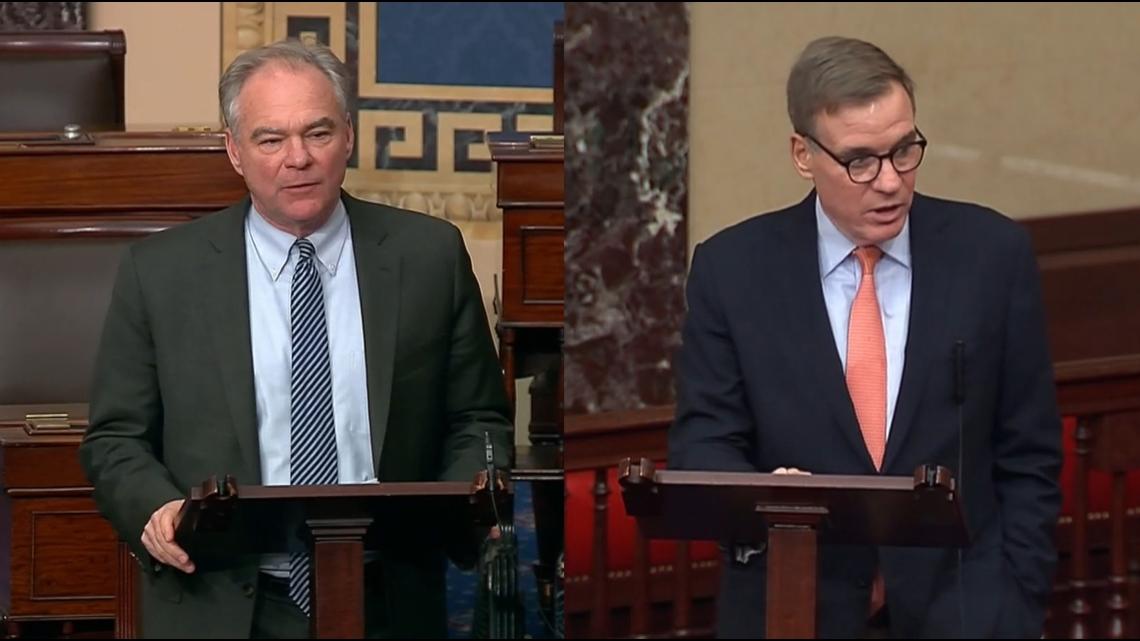
The BBC lists names such as Dick Durbin and Tim Kaine among those breaking the deadlock.
Samaa TV characterizes the coalition as “Eight Democrats and one Independent” crossing the aisle.
The shutdown’s duration is reported differently by various sources.
Some outlets report 40 days (Arise News), others say 41 (Scripps News), and one projects 43 days once enacted (Coinfomania).
Details of Government Funding Deal
Multiple sources say the deal merges a short-term continuing resolution with three full-year appropriations. NBC News reports a “minibus” covering Agriculture through next fiscal year plus a continuing resolution through January 30, with SNAP fully funded through next September and attempted layoffs reversed. Mathrubhumi English adds the bill includes three full-year appropriations bills, prohibits federal agencies from firing employees until January 30, and guarantees back pay.
NPR highlights that it would keep the government open through January 30, 2024, while funding SNAP through the end of fiscal year 2026. NOTUS says the continuing resolution would fund the government through January 30, 2026, and includes a provision to reverse federal layoffs. NBC4 Washington specifies full-year funding for agriculture, military construction, and veterans’ affairs through September 2026 and reimbursement to states for SNAP and WIC during the shutdown, while protecting workers with reinstatement and guaranteed back pay.

Debate Over ACA Subsidies
Healthcare is the core political fault line. Al Jazeera reports the bill does not guarantee an extension of expiring Affordable Care Act (ACA) healthcare subsidies, instead scheduling a December vote. NBC News echoes that the deal does not extend expiring ACA subsidies and only promises a Senate vote with uncertain prospects, and no guarantee the House will act.
CNN adds the White House backs reopening but that House Speaker Mike Johnson and President Trump oppose continuing ACA subsidies. ABCNews.go notes Trump proposed redirecting Obamacare subsidies to individuals’ Health Savings Accounts. Mathrubhumi English and Newsweek stress Democrats secured a December vote on ACA tax credits even as leaders like Chuck Schumer opposed the package for lacking immediate guarantees.
Impact of Government Shutdown
The shutdown’s toll is broad and affects many sectors. Scripps News reports widespread disruptions, including thousands of flight cancellations and delays. CNN details controller staffing shortages and flight delays, raising safety concerns about proposed $10,000 bonuses and threats during the closure.
UPI highlights airport delays and threats to food assistance programs like SNAP, underscoring the stakes for basic benefits. Economic estimates of the shutdown’s cost vary significantly.

Equiti cites an estimated $15 billion weekly loss and reduced GDP growth. Vocal.media estimates total costs over $7 billion, reflecting different methodologies and timelines for accounting the damage.
Legislative Uncertainty Over ACA Bill
Next steps are uncertain, especially in the House. Scripps News says House Minority Leader Hakeem Jeffries vowed to oppose the bill, and Speaker Mike Johnson’s stance is unclear. Time Magazine adds that House Democrats have pledged to reject the bill.
“House Minority Leader Hakeem Jeffries vowed to oppose the bill in the House, where Speaker Mike Johnson’s position remains unclear.”
NBC News notes there is no guarantee the House will act on ACA subsidies even if the Senate votes. AL reports the measure now moves to the House where resistance is expected.

Coinfomania uniquely claims the Republican-controlled House has already approved the bill, highlighting a sharp information gap that may reflect timing or conflicting reporting. Overall tone ranges from cautious—NBC News and AL—to optimistic signals like New York Post’s assertion the government is on track to reopen later this week.