Business28 October, 20252 min read
US Senate Overturns Trump Tariffs on Brazilian Coffee and Beef, Defying President’s Trade Strategy
Senate voted 52-48 to overturn Trump’s tariffs on Brazilian coffee, beef, and other imports. Five Republican senators joined Democrats in a rare bipartisan rebuke of Trump’s trade policy.

14 outlets told this the same way.
Outlets did split on CATL Starts Trial Production at Debrecen Battery Cell Plant in Hungary →
Senate Vote on Tariffs
In a 52-48 vote, the U.S. Senate approved a rare bipartisan resolution to end President Donald Trump’s emergency-based 50% tariffs on Brazilian imports, notably coffee and beef.
“The US Senate passed a rare bipartisan measure (52-48) to end Donald Trump’s tariffs on Brazilian imports such as coffee and beef.”
Five Republicans joined Democrats, arguing the tariffs act as harmful taxes on American consumers and businesses.
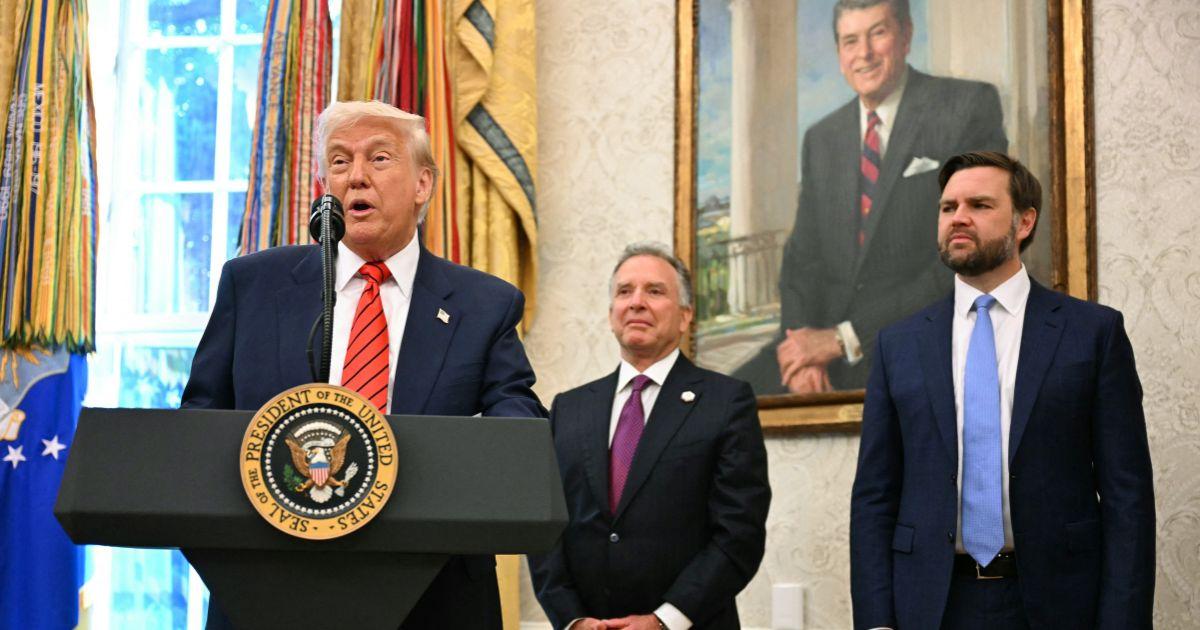
The administration had justified the tariffs under a national emergency linked to Brazil’s treatment of former President Jair Bolsonaro and alleged unfair practices.
The measure, led by Sen. Tim Kaine, is expected to stall in the Republican-controlled House and, if it were to advance, face a likely veto.
Yet the vote underscores growing cracks within the GOP over Trump’s aggressive tariff strategy.
Republican Defectors Reported Variably
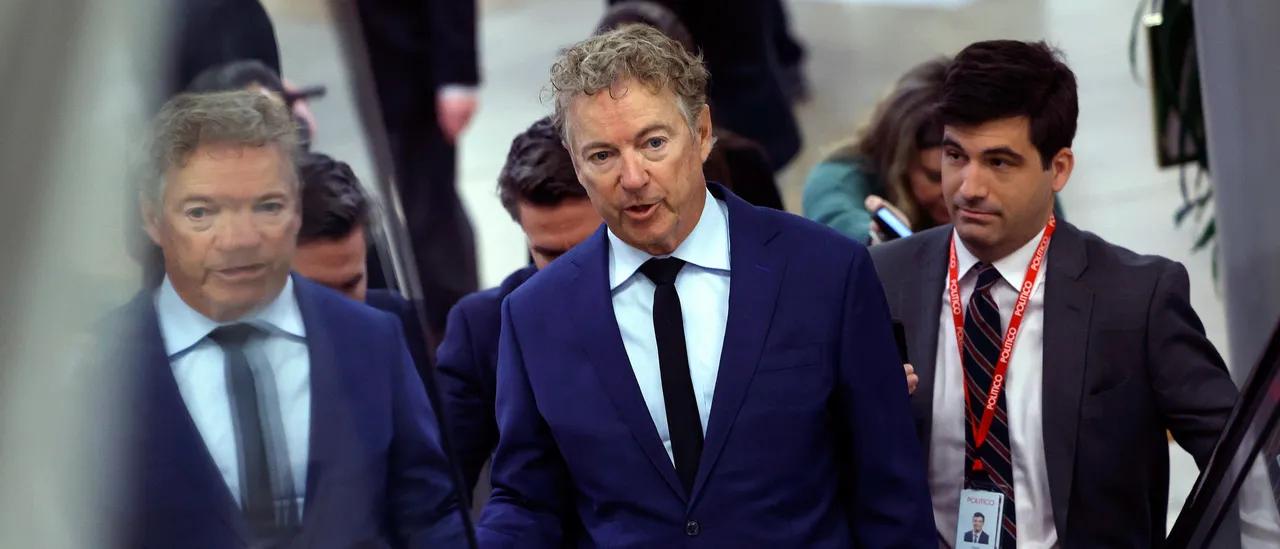
The roster of Republican defectors differs across outlets. Newsweek and investingLive list Susan Collins, Lisa Murkowski, Rand Paul, Thom Tillis, and Mitch McConnell. Букви substitutes Tom Cotton for Thom Tillis.
Daily Caller names Collins, Murkowski, and McConnell but omits Paul and Tillis or Cotton. This reflects inconsistent reporting on exactly which five crossed the aisle.
Debate Over Tariffs and Economy
The administration defended the tariffs as protectionist leverage and a national emergency response tied to Brazil’s treatment of Jair Bolsonaro and alleged unfair practices. Vice President JD Vance lobbied Republicans to keep the tariffs in place. Critics, including senior Republicans, called the move an abuse of emergency powers that raises costs and fuels inflation.
“Trump defends the tariffs as protectionist measures benefiting US workers amid ongoing trade negotiations...”
Newsweek cites the Congressional Budget Office linking such tariffs to higher inflation and slower growth. The Daily Caller reports arguments that the tariffs protect workers, encourage reinvestment, and provide negotiating leverage. These differing perspectives illustrate sharply divergent views around economic impact and executive power.
Challenges Facing Tariff Resolution
The path ahead is uncertain as multiple outlets note the resolution is likely to stall in the Republican-controlled House and face a presidential veto if it ever gets there. Senators are signaling more votes on other Trump-era tariffs, including those involving Canada, along with pending Supreme Court challenges to tariff authority. Some coverage also shows ambiguity regarding the process and venue.
NPR refers to a recent House vote but simultaneously says Speaker Mike Johnson is unlikely to bring the resolution to the floor. Beritaja highlights the Senate’s rare rebuke and ongoing legal challenges. MLex notably offers no reporting on the vote itself, standing out as off-topic promotional content.

Economic and Political Impact of Tariffs
Beyond procedure, the stakes are economic and political. Mint suggests any consumer relief from lower prices on Brazilian goods like coffee and beef would be gradual. Newsweek points to CBO findings tying tariffs to higher inflation and slower growth.
“If tariffs are rolled back, consumers could eventually benefit from lower prices on Brazilian goods like coffee and beef, but any relief would be gradual.”
Beritaja and NPR emphasize strain on farmers and manufacturers. Daily Caller highlights arguments that the tariffs protect American workers and create leverage.
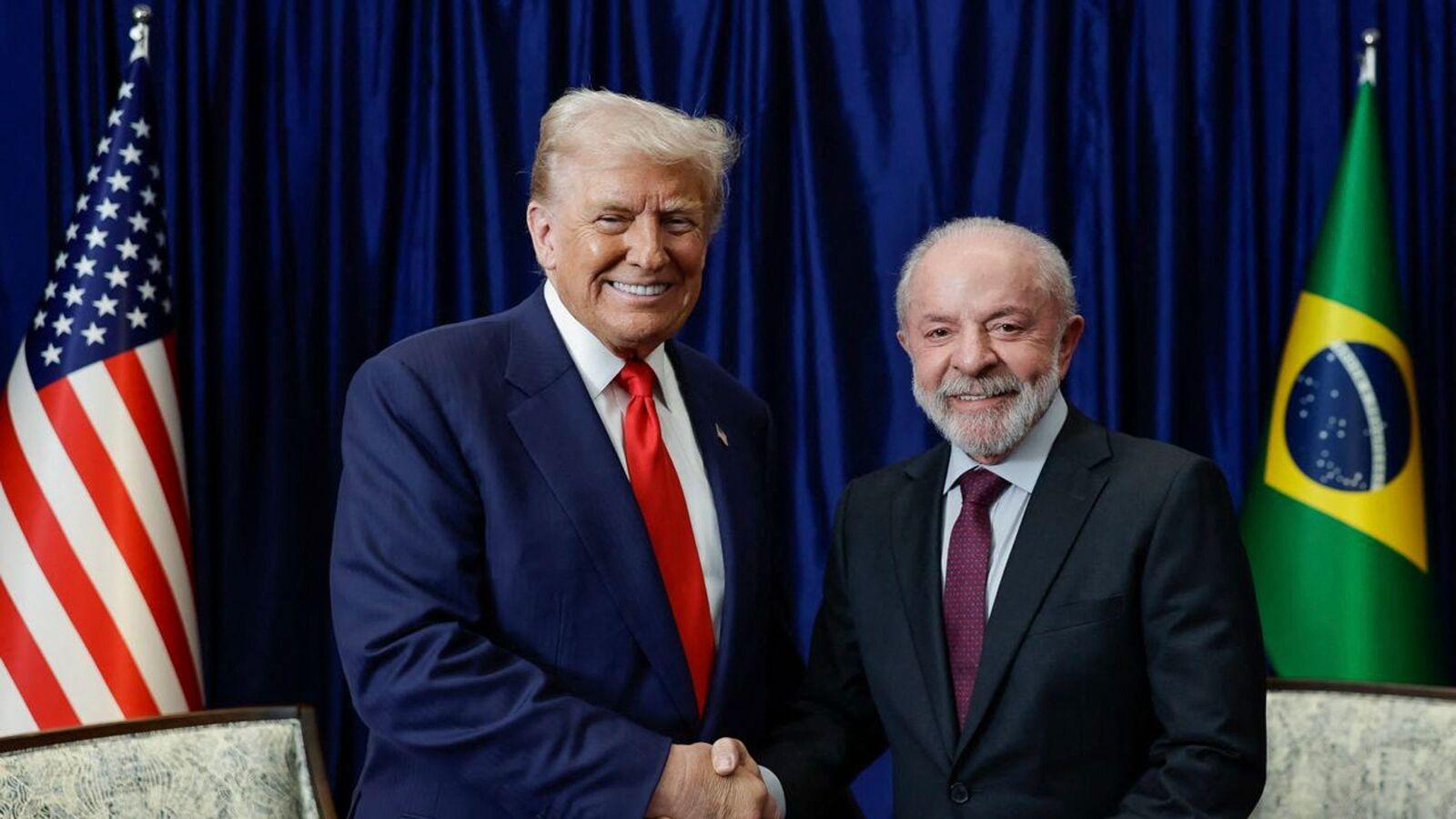
The Guardian reports Trump’s defense of protectionist measures amid talks with Brazil’s President Lula. This illustrates a divide between warnings of economic harm and claims of strategic benefit.