Syria17 December, 20252 min read
U.S. Senate Permanently Removes Caesar Act Sanctions on Syria, Aiming to Spur Refugee Returns
This article is an automated aggregation of coverage from news outlets. Our editorials offer in-depth analysis curated by the NewsCord team.
Senate repealed the 2019 Caesar Act within the 2026 NDAA, sending it to President Trump Removal permanently lifts U.S. sanctions on anyone aiding Assad's military, intelligence, aviation, or energy sectors

8 outlets told this the same way.
Outlets did split on Asad Al-Shaibani Meets Saddam Haftar in Benghazi Over Syrian Consulate And Missing Syrians →
Syria sanctions repeal
The U.S. Senate approved a permanent repeal of broad Syria sanctions under the 2019 Caesar Act by voting to include the repeal in the 2026 National Defense Authorization Act (NDAA).
“The Senate voted 77–20 to repeal the 2019 Caesar Civilian Protection Act’s broad Syria sanctions, approving the change as part of the $900 billion, 3,000‑page annual defense authorization bill.”
The Senate vote was 77-20, and the House had already adopted the provision.

The measure has been sent to President Donald Trump to sign, and the White House is widely expected to sign the repeal.
Caesar Act repeal debate
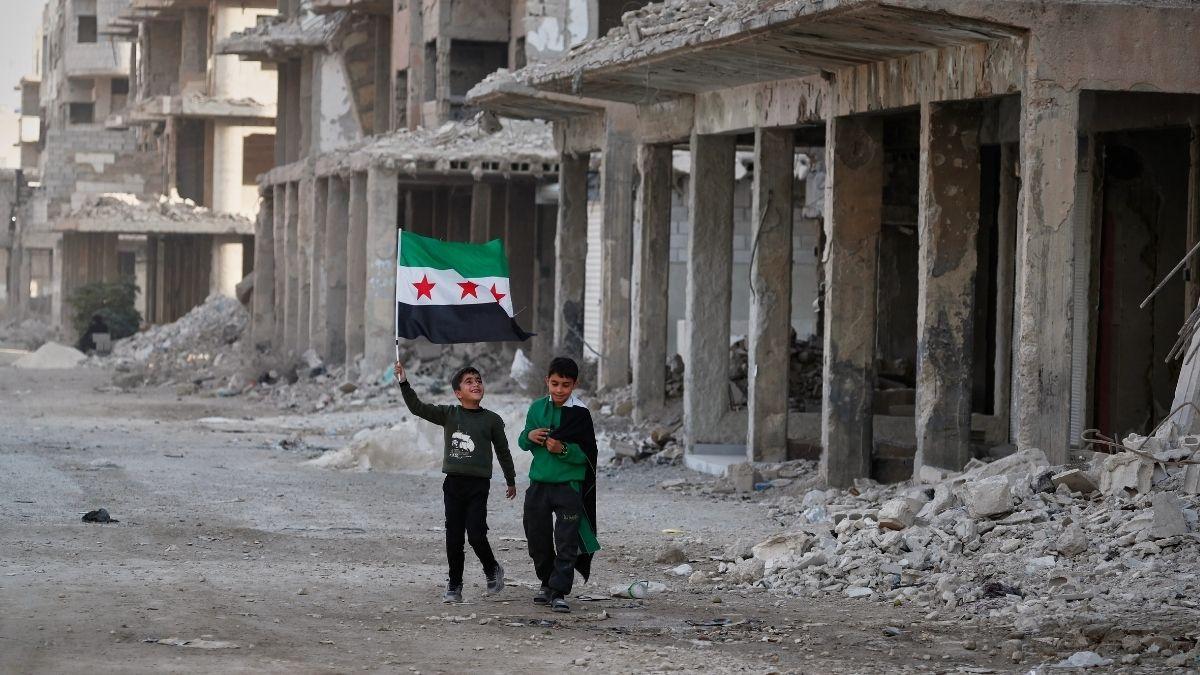
Supporters across multiple parties and outlets argue that lifting the Caesar Act will unlock private investment and financing needed for Syria’s reconstruction and could encourage refugee returns. Proponents cited the scale of rebuilding needs and the deterrent effect sanctions had on investors; some supporters explicitly framed repeal as a way to limit Iranian influence and reduce the space for extremist groups. Several outlets report administration steps taken ahead of congressional action, including executive orders and licensing to ease transactions.
Humanitarian context and recovery
Reports emphasize the humanitarian context, providing data on refugee returns, internal displacement and the scale of reconstruction needs that shape arguments for repeal or caution against premature reintegration. A mainstream outlet gives detailed return and displacement figures, notes temporary cash assistance for returnees, and warns that destroyed homes and lack of jobs could prompt re-migration.
“Since the ouster of President Bashar Assad in December 2024, an estimated 400,000 Syrian refugees have returned from Lebanon; about 1 million remain there (636,000 officially registered). Overall, more than 1 million refugees have returned from neighboring countries and nearly 2 million internally displaced Syrians have gone home. Returnees from other countries are eligible for a one-time $600-per-family cash payment, but destroyed homes and lack of jobs mean many may leave again.”
Other sources cite reconstruction estimates running into the hundreds of billions of dollars. The U.N. and World Bank funding gaps are highlighted as constraints on immediate recovery despite the repeal.
Reactions to Caesar repeal
Some critics warned that rescinding the Caesar Act would remove U.S. leverage over Syria and its backers, while other reporting notes legal and procedural safeguards built into the repeal package.
Coverage identifies opponents including the Israeli government and certain Republican lawmakers, and other sources emphasize that the repeal does not remove the president's ability to impose targeted sanctions or the requirement for regular assessments over several years.

Media framing of Syria repeal
Across the sources there are clear differences in tone and focus. West Asian outlets (Anadolu Ajansı, Türkiye Today, Al-Jazeera Net) concentrate on the legislative milestone and Syria’s positive diplomatic response. Western mainstream reporting (NBC News) foregrounds humanitarian statistics, reconstruction costs, and funding shortfalls.
“Syria welcomed the move; Foreign Minister Asaad al‑Shaibani thanked the Senate on X, calling it a ‘positive development’ for cooperation.”
Specialized regional reporting (Enab Baladi) emphasizes political mechanics, previous executive actions, and monitoring provisions. These differences shape whether readers see the repeal as advancing reconstruction and refugee returns or as risking the loss of leverage without near-term humanitarian guarantees.