
U.S. Senate Rejects Democrats’ Fifth Bid To Curb Trump’s Iran War Powers
Key Takeaways
- Senate rejected the fifth Democratic bid to curb Trump's Iran war powers, 46-51.
- John Fetterman and Rand Paul were the sole dissenters in the vote.
- The measure would require congressional approval for further Iran military actions.
Senate vote blocks limits
The U.S. Senate rejected Democrats’ latest effort to rein in President Donald Trump’s war powers against Iran on Wednesday, marking the fifth failed attempt to curb his authority since the conflict began in late February.
The resolution was defeated in a vote of 46 to 51, with Democrat John Fetterman and Republican Rand Paul the sole dissenters in each caucus, according to Democracy Now! and CBS News.

Democracy Now! reported that the administration faces a deadline of May 1 before it must seek explicit authorization from Congress for military force under the War Powers Act.
CBS News said the resolution would have directed the president to “remove the United States Armed Forces from hostilities within or against Iran, unless explicitly authorized by a declaration of war or a specific authorization for use of military force.”
TRT Afrika also described the vote as 47-52, with Senator Tammy Duckworth’s war powers resolution rejected and Rand Paul voting with Democrats while John Fetterman voted against.
teleSUR English reported that Chuck Schumer accused Trump of “empty promises” and said the vote was another chance for Republicans to distance themselves from the administration’s strategy, while most Republican senators backed continuing the offensive.
Across outlets, the common thread was that Congress is repeatedly failing to force a change in course as the 60-day War Powers timeline approaches.
May 1 legal clock
As the Senate vote failed, multiple outlets focused on the legal timeline under the 1973 War Powers Resolution and the May 1 deadline.
Foreign Policy said pressure will increase on congressional Republicans to vote to end the war if it surpasses the legal time limit, describing a 1973 law that mandates unauthorized military operations end if they have gone past 60 days.

The Hill reported that April 29 marked 60 days since the U.S. began strikes against Iran, and MS NOW said lawmakers were returning to Capitol Hill with April 29 marking 60 days since the U.S. began strikes against Iran.
Democracy Now! said the administration is facing a deadline of May 1 before it must seek explicit authorization from Congress for military force under the War Powers Act.
Foreign Policy described the War Powers Resolution’s “60-day trigger” as “severe” and quoted Sen. Susan Collins saying, “I’ve been very clear from the beginning that I consider the 60-day trigger in the War Powers Act to be [severe] and that the president needs to request authorization from Congress to continue hostilities beyond that point, absent some dramatic change or development,” while also noting the legal clock runs out at the beginning of next month.
The Hill added that under the War Powers Act, the president must notify Congress within 48 hours of deploying U.S. armed forces and limit engagement to 60 days unless Congress authorizes it, with an additional 30 days to withdraw.
Fox News said next week the conflict will officially hit the 60-day mark and Congress is required to weigh in under the War Powers Resolution.
Trump, ceasefire, and blockade
While Congress debated war powers, the conflict’s operational posture and diplomacy were described as shifting, with Trump publicly challenging the idea of being bound by timelines.
“Washington — The Senate rejected another attempt to rein in President Trump's ability to use further military force against Iran on Wednesday, marking Democrats' fifth effort to do so since the war began eight weeks ago”
Democracy Now! said “The U.S. Navy is continuing to blockade Iranian ports,” while Iran was “preventing most ships from passing through the strait,” and it added that on Wednesday Iran seized two cargo ships.
Foreign Policy reported that Trump told reporters at the White House on Thursday, “Don’t rush me,” and included his comparison to other wars, saying, “We were in Vietnam for like 18 years; we were in Iraq for many, many years … we were four-and-a-half, almost five years in World War II. … I’ve been doing this for six weeks.”
Foreign Policy also said Trump wrote on Truth Social that the U.S. Navy was controlling access to the Strait of Hormuz and that it was “Sealed up Tight” until a deal with Iran is reached.
In a separate post, Foreign Policy reported Trump said he had ordered the Navy “to shoot and kill any boat” involved in placing mines in the strait.
Politico reported that Trump indefinitely extended a ceasefire with Iran and said he declared the U.S. will continue a military blockade of Iranian shipping in the Strait of Hormuz.
TRT Afrika added that “Thirteen US service members have been killed since ‘Operation Epic Fury’ against Iran began on February 28.”
Democrats press, Republicans resist
The Senate votes were accompanied by sharply contrasting rhetoric from Democrats and Republicans about whether Congress should stop the war.
Democracy Now! quoted Senate Minority Leader Chuck Schumer saying, “Democrats will continue to force votes on war powers resolutions every week until Republicans decide to put the American people over Donald Trump and end this war.”
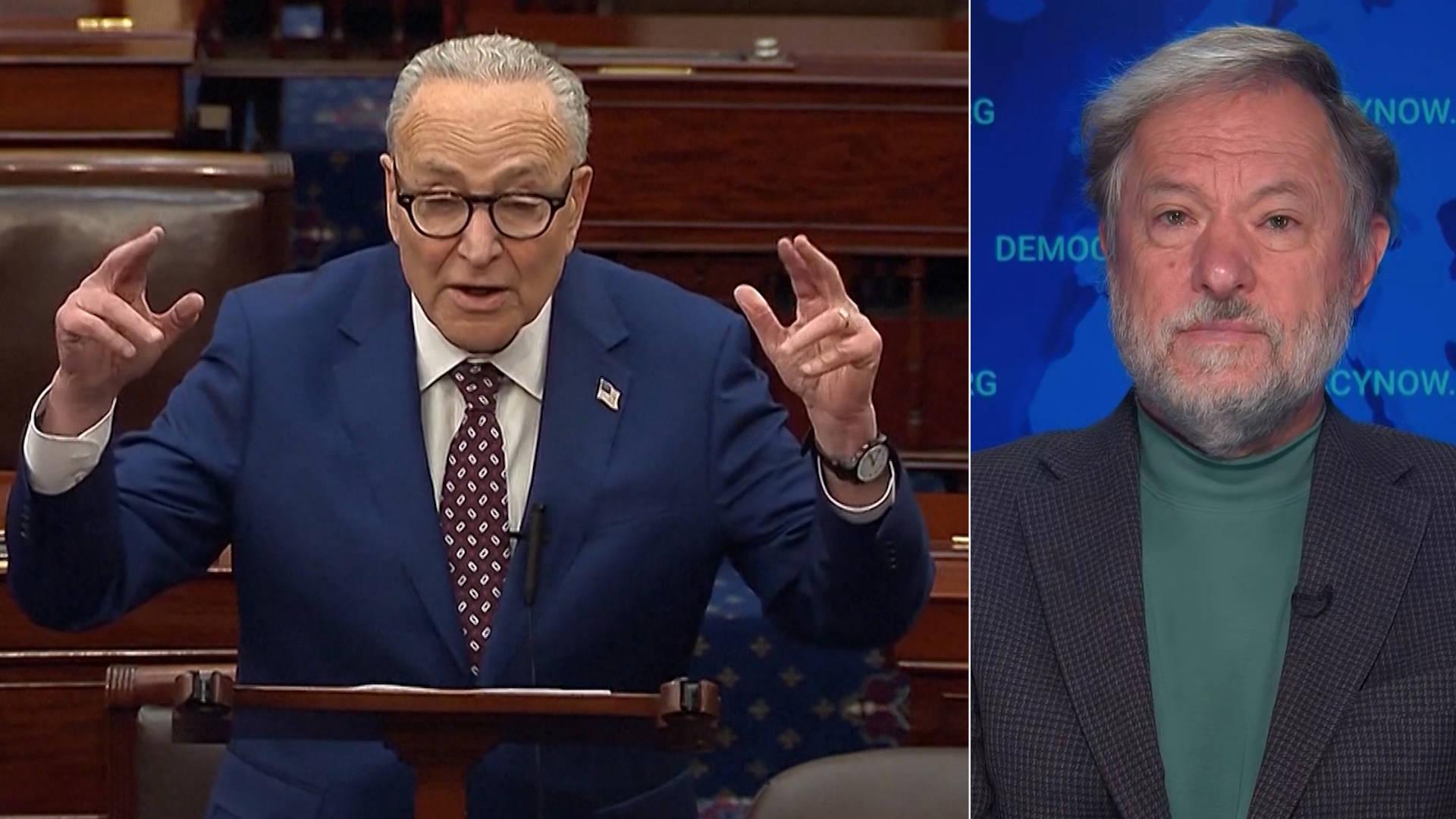
TRT Afrika similarly reported Schumer warning that repeated votes would continue if Republicans again blocked the measure, quoting him: “If the Republicans vote no again, we will continue to force votes on these resolutions every week until either this war ends or the Republicans get the courage to stand up to Donald Trump,” and it added that Duckworth said, “Today, I'm forcing a vote on my War Powers Resolution to end Trump's needless and expensive war of choice against Iran.”
MS NOW described Democrats’ strategy around the 60-day mark, quoting Sen. Richard Blumenthal saying, “There has to be a vote at the end of 60 days, and my Republicans, if they have any respect for the law and the Constitution, will vote to end this war,” and adding that “Congress needs to take back its power over declarations of war.”
Republicans, however, offered competing views on timing and compliance, with MS NOW quoting a House Republican who requested anonymity saying, “I think he’ll take the extension, because that’s what the law allows,” and quoting Sen. Josh Hawley saying, “Let’s hope it’s over by then.”
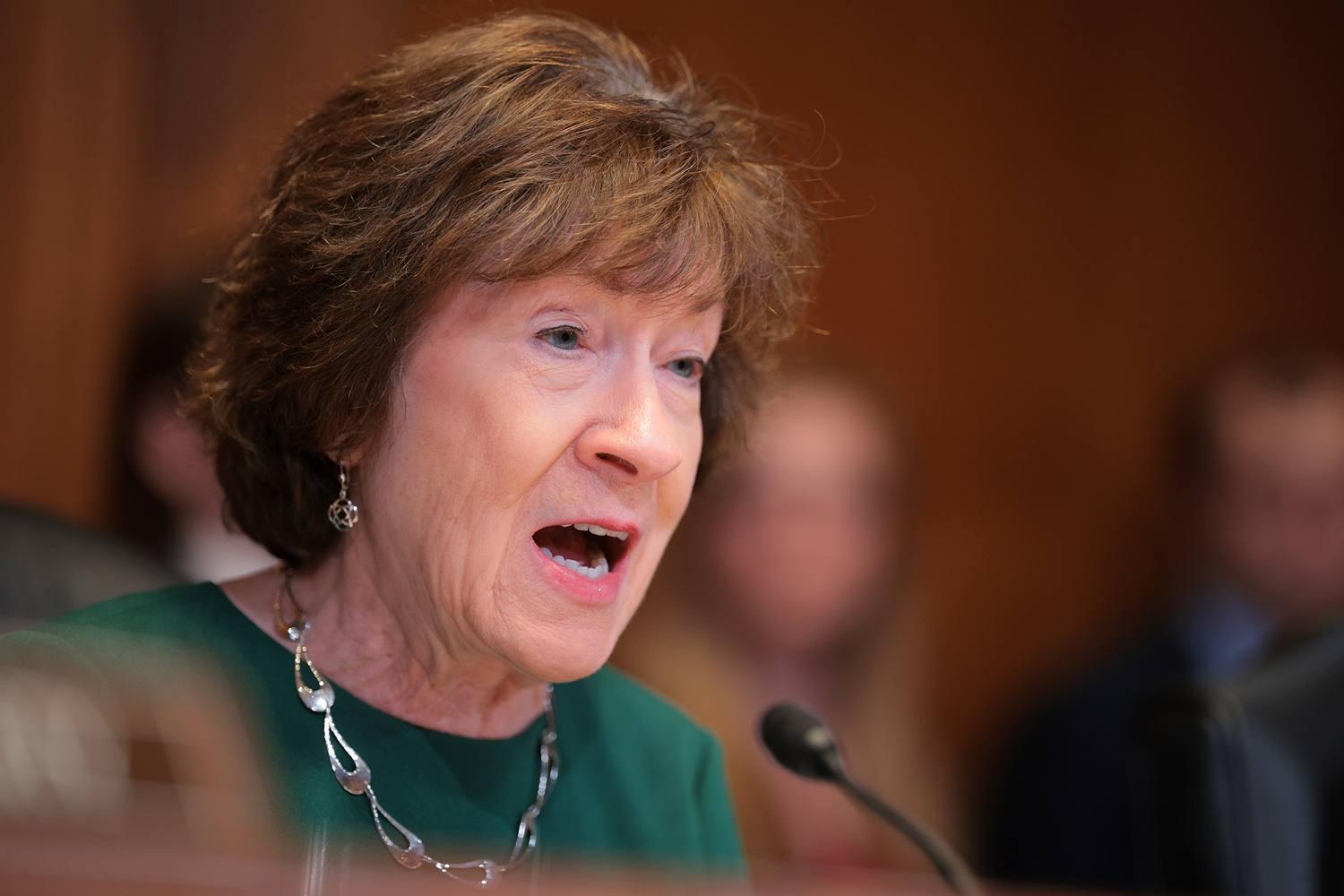
The Hill reported that Sen. Susan Collins said she won’t vote to authorize the war beyond two months, stating, “The 60-day trigger is a very important one.”
Fox News added that Senate Republicans stayed largely unified against Democrats’ “deluge of war powers resolutions,” while Schumer said Democrats’ caucus was “united and focused on ending the war in Iran.”
Consequences and next options
The reporting also laid out what happens next if Congress continues to fail to authorize continued hostilities, and how Republicans might respond as the deadline nears.
“Guests The Senate on Wednesday rejected another bid to rein in President Donald Trump’s ability to use further military force against Iran, marking the fifth failed attempt by Democrats to curb Trump’s war powers since the start of the conflict in late February”
Foreign Policy said the legal clock established by the War Powers Resolution runs out at the beginning of next month and that hostilities are supposed to automatically cease in the absence of authorization, while also noting Trump can extend the military campaign by a further 30 days for withdrawal rather than continued prosecution.
CBS News described the War Powers Resolution’s cap at 60 days and said the deadline can be pushed to 90 days if the president certifies in writing that “unavoidable military necessity” requires an extension.
Gulf News framed May 1 as a “critical” inflection point and described three options if the deadline passes without authorization: seek approval from Congress, begin withdrawing U.S. forces, or invoke a limited 30-day extension, while emphasizing that the extension is designed only for safe withdrawal and not to continue an offensive campaign.
Politico said the conflict is approaching a key 60-day deadline next week that could shake partisan dynamics, and it reported that Sen. Lisa Murkowski was drafting an authorization for the continued Middle East campaign.
The Hill reported that a group of Republican senators including Lisa Murkowski, Thom Tillis, Susan Collins, and John Curtis say Congress needs to vote to authorize the war if Trump doesn’t begin winding down next month, while Thune and James Risch did not have plans to bring a resolution to the floor soon.
Fox News added that Republicans are also growing more concerned about the cost, length and end game of the war, and it quoted Sen. Tammy Baldwin saying, “This war has simply been a disaster, and there is absolutely no reason we should go full steam ahead back into it.”
More on USA

DOJ Ends Criminal Probe Into Fed Chair Jerome Powell, Clearing Way for Kevin Warsh Confirmation
20 sources compared

Trump Administration Sanctions Hengli Petrochemical And 40 Shippers Over Iranian Oil
16 sources compared

Trump Administration Considers Suspending Spain From NATO Over Iran War Support
15 sources compared
Pentagon Email Outlines Options To Suspend Spain From NATO Over Iran War Access
16 sources compared