USA10 November, 20253 min read
U.S. Senate Votes to End Longest Government Shutdown, Forcing House to Approve Funding Bill
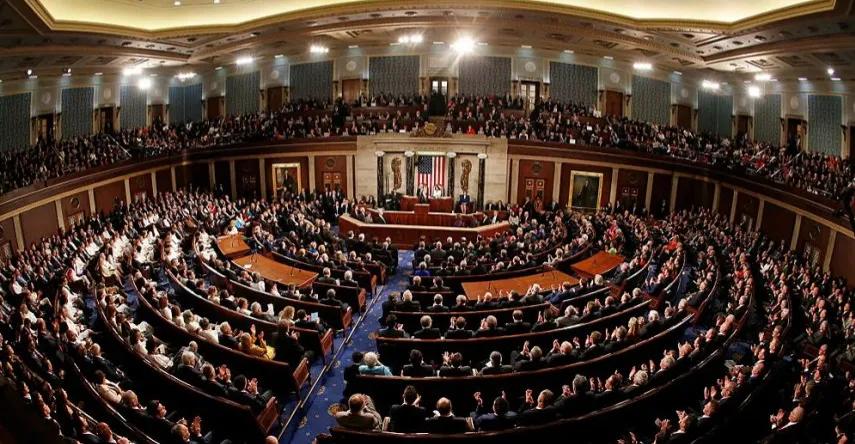
Senate passed a bipartisan funding bill 60-40 to end the 41-day government shutdown. The bill funds the government through January 30, 2026, restoring pay and services.
73 outlets told this the same way.
Outlets did split on Trump Interrupted by Protesters at San Antonio Rally for Ken Paxton →
U.S. Senate Funding Deal
In a 60–40 vote, the U.S. Senate moved a bipartisan funding deal intended to end the longest government shutdown on record.
“The Senate is nearing a funding agreement to end the longest government shutdown in modern U.S. history, with a bill that would fund the government through late January and includes a promise to vote next month on extending expiring health insurance tax credits.”
Most Republicans and eight Democrats backed the measure, and the White House signaled support.

Sources differ on whether Sunday’s vote constituted final passage or a key procedural step.
They agree the package funds the government only through late January and promises a separate vote on expiring Affordable Care Act tax credits next month.
With federal agencies still constrained until the House acts, Senate leaders framed the vote as the clearest path to reopen shuttered services and to reverse mass layoffs.
The bill now heads to the House for approval before President Trump can sign it.
Government Funding and Worker Protections
What is included in the package varies depending on the source, but core elements consist of back pay for furloughed workers, reversing or blocking federal workforce layoffs through January, and partial-year funding combined with full-year appropriations for select departments. Government Executive reports reversals of over 4,000 layoffs and full-year funding for Veterans Affairs, Agriculture, and the legislative branch. The Star highlights guarantees of back pay and full-year funding for Agriculture and military construction.
NPR and Times Kuwait emphasize worker protections and back pay. Many outlets agree that the stopgap funding runs only until roughly January 30.

Debate Over Health Subsidy Bill
The central political fault line is health coverage. Most reports say the bill does not extend Affordable Care Act subsidies but promises a vote in December. This has prompted fierce pushback from progressives.
“The Senate also rejected a Democratic attempt to extend Affordable Care Act subsidies in a party-line vote, though a future vote was promised.”
A few outliers claim that the bill includes extensions. The Guardian notes the Senate rejected a Democratic attempt to extend ACA subsidies, with a future vote promised. Fox News and Al Jazeera say GOP leaders pledged a mid-December vote to revisit expiring subsidies.
CBS News reports some Democrats and progressive groups called for Schumer to resign over this compromise. By contrast, RBC-Ukraine and the New York Post report subsidy extensions, diverging from the broader consensus.
House Vote on Legislative Deal
Attention now shifts to the House, where timing and support remain uncertain. NBC News says Speaker Mike Johnson has a tentative plan for votes as early as Wednesday. France 24 notes the House could act midweek but warns final approval may take several days, including due to a national holiday.
NewsX reports the House has not scheduled a vote, citing travel disruptions and reluctance to return. iHeart and equiti stress House passage is uncertain amid opposition from hard-line Republicans and some Democrats. Meanwhile, several Asian and Western outlets say Trump supports the deal, setting up swift signature if the House sends him the bill.

Economic and Social Impact of Shutdown
The shutdown’s toll and broader context are described with different emphases. Equiti estimates a $15 billion weekly economic hit and says the shutdown reduced GDP growth and disrupted markets. BBC and UPI highlight disruptions to air travel, food aid, national parks, and paychecks.
“The shutdown caused significant economic damage, including a $15 billion weekly loss, reduced GDP growth, disrupted holiday travel, and delayed government data affecting Federal Reserve decisions.”
Newsweek details severe strain on the justice system. NBC4 Washington reports over 2,000 canceled flights, while Firstpost cites thousands of cancellations before Thanksgiving.
The Vibes and The Globe and Mail note that markets rose on the Senate news and that investors face a surge of delayed federal data. This underscores how the standoff rippled through both households and markets.