Iran06 February, 20263 min read
US Sends Envoy To Oman To Begin Direct Nuclear Talks With Iran After Threatening Military Action
US and Iranian officials held Oman-mediated indirect talks focusing on Tehran’s nuclear programme Talks occurred amid a U.S. military buildup and Trump’s public threats of military action
45 outlets told this the same way.
US–Iran Nuclear Talks
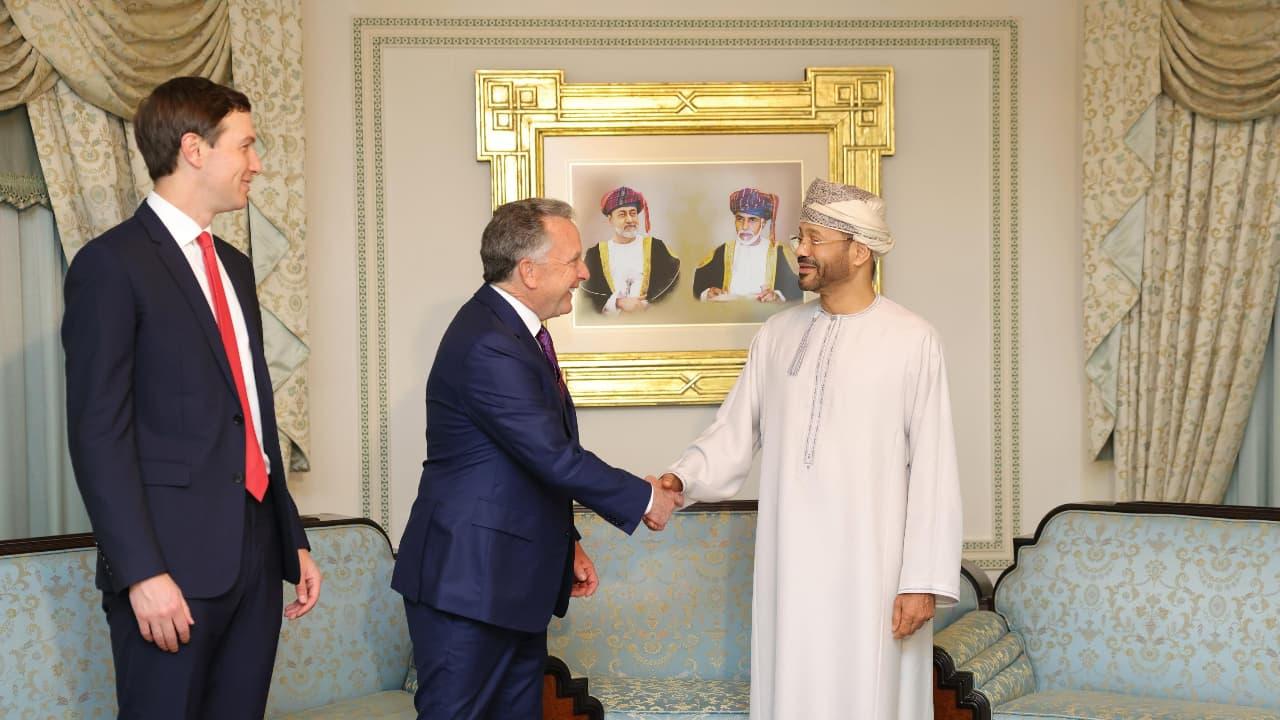
U.S. Middle East envoy Steve Witkoff met Iran’s foreign minister Abbas Araghchi in Muscat, Oman, on Feb. 6 to begin direct talks aimed at restarting diplomacy over Tehran’s nuclear programme.
“On Friday, 6 February 2026, Iran and the United States held face‑to‑face talks in Muscat, Oman: U.S. Middle East envoy Steve Witkoff met Iran’s foreign minister Abbas Araqchi.”
Multiple reports described the encounter as Oman-mediated and confirmed the presence of U.S. and Iranian delegations.

News outlets such as Coast FM, This is the Coast, and DW reported the meeting and cited the involvement of Witkoff and Araghchi.
Other outlets, including NewsBytes, noted that Iran’s foreign minister confirmed the talks.
Dispute Over Talks' Scope
A central obstacle at the opening is disagreement over the agenda's scope. Washington has pushed to expand talks beyond nuclear limits to include Iran’s ballistic‑missile programme, its support for regional armed groups and human‑rights issues. Several outlets report the U.S. delegation pressing this broader agenda; Island.lk says the US demands Iran freeze its nuclear programme, give up enriched uranium stockpiles, and include Iran’s ballistic missiles, regional support for armed groups, and human‑rights issues in talks.
Al Jazeera calls the administration’s stance broad and 'maximalist', saying it would go beyond nuclear issues to include limits on Iran’s ballistic missiles and an end to support for regional 'proxies'. Iran, by contrast, says discussions will be limited to its nuclear programme and has ruled out discussing its defensive missile capabilities (coastfm.co.uk).

US-Iran military tensions
The diplomatic push unfolded against a backdrop of heightened military posturing and explicit threats. Reporting noted that President Trump dispatched a large naval force — the US Abraham Lincoln carrier strike group, which some outlets described as an 'armada' — and warned Iran it could face military action. White House spokespeople said the president had options 'aside from diplomacy.'
“President Trump has threatened military action and sent a large US force to the region (described as an ‘armada,’ including an aircraft carrier and warplanes).”
Island.lk reported that President Trump had threatened military action and sent a large US force to the region, which the outlet described as an 'armada'. eNCA quoted Trump saying Iran is 'negotiating' and 'doesn't want us to hit them.'
DW noted that White House press secretary Karoline Leavitt stressed the president has options beyond diplomacy. Coastfm.co.uk also noted the US had repeatedly threatened military action and was boosting U.S. naval forces near Iran, which some outlets called an 'armada'.
Iran protests and negotiations
Domestic unrest inside Iran adds urgency and leverage to talks. Numerous outlets cite large, ongoing protests and heavy security crackdowns with differing casualty figures. United News of Bangladesh cited the Washington-based Human Rights Activists News Agency (HRANA) as reporting at least 6,883 deaths and more than 50,000 arrests.
NewsBytes reported HRANA figures of 6,445 deaths and noted that Iranian authorities reported over 3,117 deaths. Asianet Newsable gave similar tallies, saying HRANA reported 6,495 deaths, 214 security forces and 61 bystanders killed, and about 51,000 arrested. Several reports link public unrest and Tehran's economic squeeze to the government's willingness to consider limited concessions on enrichment in exchange for sanctions relief to ease economic pain.
Iran nuclear deal options
Observers across sources see narrow paths for a deal. Tehran publicly insists its nuclear work is peaceful and defends its right to enrich at home. Some reporting indicates Iranian officials may offer limited concessions on enrichment in return for sanctions relief.
“Iranian officials told Reuters they could show flexibility on uranium enrichment—offering to hand over 400 kg of highly enriched uranium and to accept zero enrichment under a consortium arrangement—while insisting its right to enrich is non‑negotiable.”
Proposals are variously described as handing over or suspending access to a roughly 400 kg stockpile or accepting enrichment limits under a regional consortium. AL‑Monitor reported Iran could show flexibility on uranium enrichment by offering to hand over 400 kg of highly enriched uranium and to accept zero enrichment under a consortium arrangement. The Jerusalem Post noted similar concessions.
Capitalfm.co.ke summarized Iran’s stance as saying its nuclear programme is peaceful, insisting on its right to enrich uranium at home, rejecting calls to transfer its roughly 400 kg stockpile, but signalling it could accept limited concessions. Analysts warn that demands to curb missiles or end regional support are red lines that could derail talks and raise the risk of military conflict if negotiations collapse.