Iran-Israel30 January, 20262 min read
U.S. Sends Naval Armada Toward Iran, Threatens Military Strike
This article is an automated aggregation of coverage from news outlets. Our editorials offer in-depth analysis curated by the NewsCord team.
United States deployed a large naval task force near Iran U.S. administration warned of a possible strike while demanding a nuclear deal

9 outlets told this the same way.
Outlets did split on U.S. Intercepts Iran Message Activating Sleeper Cells After U.S.-Israel Strike Kills Khamenei →
US naval pressure on Iran
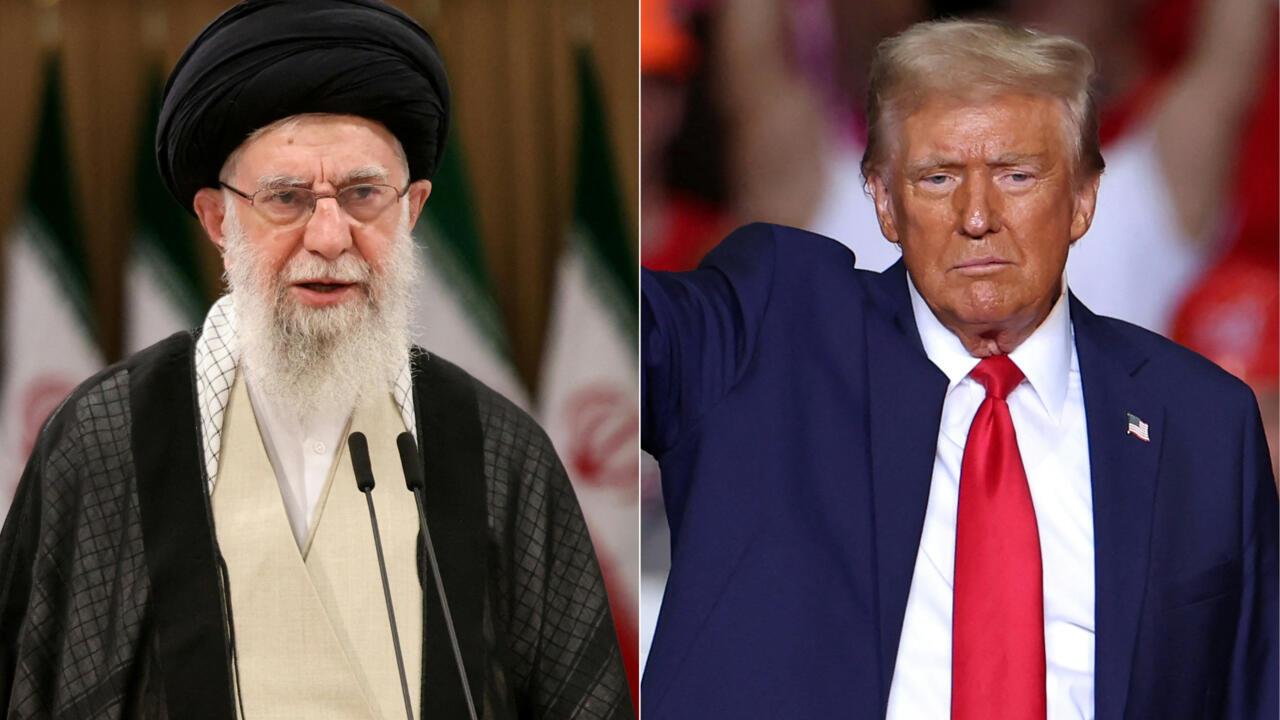
The United States has sent a large naval force toward Iran while President Trump issued a public deadline pressing Tehran to negotiate on its nuclear program, ballistic missiles and other issues. President Trump warned that Iran 'does want to make a deal' but added that 'if we don't make a deal, we'll see what happens'.
“Tensions between the US and Iran have risen sharply as the US sends a large naval force toward Iran and issues a deadline for Tehran to reach agreements...”
Western reporting described the deployment as an 'armada' en route to the region, and regional coverage likewise noted additional warships and a destroyer reportedly docking in Eilat, Israel. U.S. officials and allied outlets framed the move as coercive pressure intended to force talks.

Iran's response to deployment
Iran’s official response combined a formal willingness to hold "fair and equitable" talks with a firm refusal to place its missile defences on the negotiating table. Iranian diplomats and the foreign ministry rejected talks conducted under threats. Tehran warned it was prepared for either negotiations or military confrontation.
Iranian military statements also threatened that missiles could reach U.S. naval forces and regional bases. Several outlets reported that no U.S.-Iran meeting had been scheduled amid the deployment. Iranian leaders stressed that heavy military presence hindered meaningful diplomacy.

Regional diplomatic reactions
Regional actors reacted swiftly: Turkey urged de-escalation and offered to facilitate talks, while Gulf states including the UAE and Saudi Arabia sought to prevent a wider conflict. European responses were split between moves to increase pressure - including discussions about designating the IRGC as a terrorist organization - and warnings against military escalation. These diplomatic efforts reflected concern that a U.S. strike or a miscalculation could destabilize the broader region.
“Turkey urged de-escalation and warned an invasion could destabilize the region; Turkish FM Hakan Fidan asked the US to resist pressure to attack Iran.”
U.S. pressure on Iran
Analysts and some outlets warned that Washington's approach — described by one West Asian source as 'readiness without commitment' — carries political and credibility risks. If threats are not carried out, U.S. deterrence could be undermined. Sustained pressure may strengthen hardliners in Tehran or provoke retaliatory action by Iran's regional allies.
Economic levers were also cited, with proposals such as a 25% tariff on countries trading with Iran and fresh U.S. sanctions reported alongside the naval deployment. This combination underscores a blended strategy of coercion that mixes military posture and economic pressure.

Deployment risks and diplomacy
Outcome and outlook remain uncertain. Sources agree the deployment increases the risk of miscalculation while presenting a chance for negotiation if Iran accepts talks without preconditions and coercive presence is reduced.
“Tensions between the US and Iran have risen sharply as the US sends a large naval force toward Iran...”
Reporting differs on whether the U.S. posture is likelier to compel Tehran to negotiate or to entrench opposition and provoke retaliation, and commentators warned both possibilities. Given the conflicting emphases across outlets, the immediate stance is best described as high-risk deterrence paired with active diplomatic traffic in the region.