Iran-Israel01 February, 20262 min read
US Sends Warships Toward Iran After Tehran Rejects Talks Under U.S. Threats
This article is an automated aggregation of coverage from news outlets. Our editorials offer in-depth analysis curated by the NewsCord team.
United States deployed warships toward Iran amid escalating U.S.-Iran tensions. Iran rejected talks conducted under U.S. threats or imposed deadlines.
9 outlets told this the same way.
Outlets did split on U.S. Intercepts Iran Message Activating Sleeper Cells After U.S.-Israel Strike Kills Khamenei →
U.S. naval buildup near Iran
The United States publicly confirmed a naval buildup toward Iranian waters. President Trump said U.S. naval forces were moving into the region, said Washington had given Tehran a deadline, and claimed Iranian officials were "seriously talking" with the U.S.
“Tensions between the U.S. and Iran rose as President Trump confirmed U.S. naval forces were moving toward the region and said Washington had given Tehran a deadline, while claiming Iranian officials were ‘seriously talking’ to the U.S.”
Multiple outlets reported that Trump pointed to "big, powerful ships" and a carrier group being sent as part of the show of force, even as he said he hoped diplomacy would prevail. The deployment was explicitly noted alongside warnings from Tehran that negotiations under military threat would be rejected and that any clash could spread regionally.

Iran's response to U.S. pressure
Iranian officials publicly rejected negotiating while under military threat. The country's leaders said they would not be intimidated and warned any conflict could expand beyond Iran's borders.
Several sources report that Iran's leadership framed U.S. pressure as coercive and said Tehran would not accept talks conducted under threat. At the same time, some Iranian figures urged diplomatic channels, creating a mixed public posture.
Iran's domestic political response
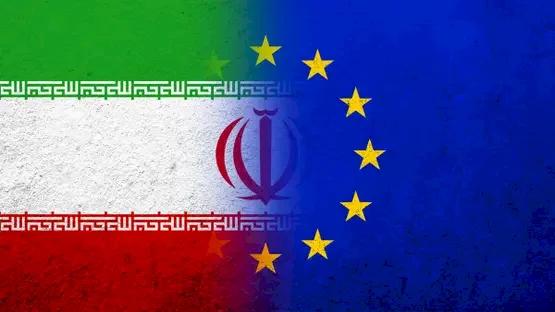
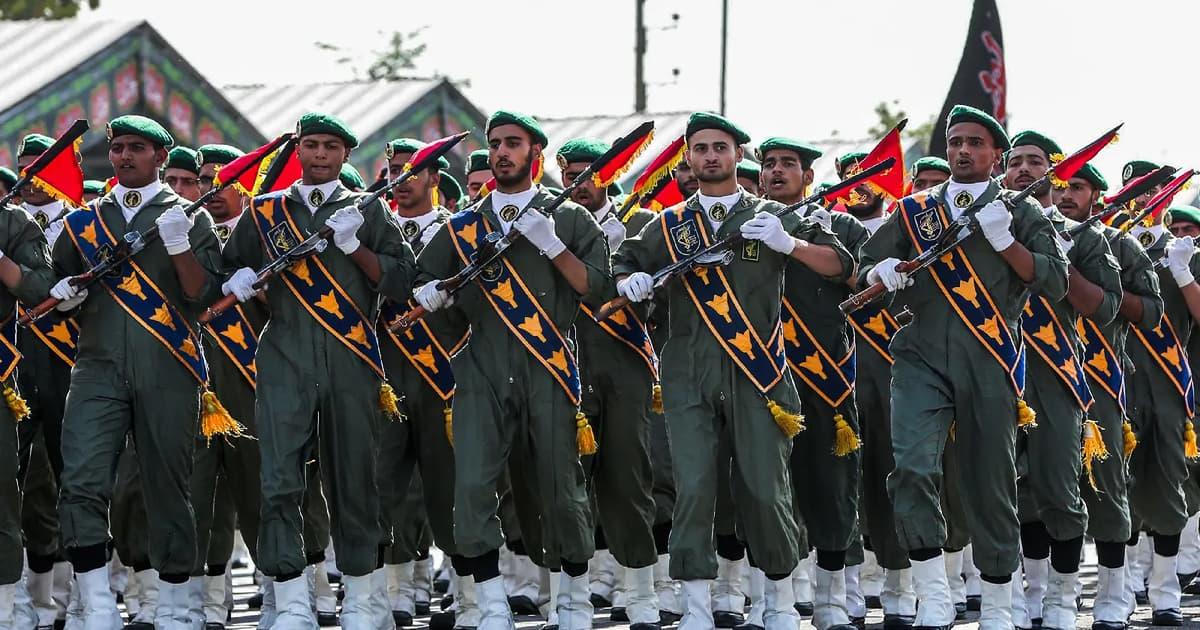
Domestic political theater in Iran amplified the crisis. Parliamentarians donned IRGC green uniforms and chanted slogans against the U.S., Israel and Europe in a show of solidarity. Speaker Mohammad Bagher Ghalibaf said Iran should treat EU militaries as "terrorist groups" after the EU listed the IRGC.
“Iranian lawmakers donned the Islamic Revolutionary Guard Corps’ (IRGC) green uniform in a show of solidarity at a legislative session, chanting ‘Death to America’, ‘Death to Israel’ and ‘Shame on you, Europe,’ state TV footage showed.”
Coverage differs on whether these actions were symbolic posturing or steps toward concrete measures, such as reclassifying EU military officials or expelling military attaches. Some outlets report legal steps to pursue countermeasures under a domestic law.
Iran posture and talks
Senior Iranian military and security figures dismissed U.S. movements as psychological operations while asserting their forces are ready. IRGC deputy commander Ahmad Vahidi said Iran’s forces are more prepared than during the 12-day war and urged not to be provoked.
At the same time, National Security Council secretary-general Ali Larijani was reported to say preparations for negotiations with the U.S. are underway, a position some sources present as disputing an escalating 'war narrative'. The mix of defiance, preparedness and limited openness to channels creates ambiguity over whether de-escalation via talks is plausible.
Media coverage of IRGC crisis
Overall coverage shows differing priorities and tones. Western outlets focus on the clash between U.S. military posturing and reported readiness to talk. Regional and Asian outlets emphasize legal retaliation, symbolic domestic unity behind the IRGC, and the protests that preceded the EU listing.
“DW notes the clash between military posturing and reported readiness to talk, with US/Western demands over Iran’s nuclear program likely to be a major obstacle, while Iran also faces domestic fallout from recent harshly suppressed protests.”
Several sources underline uncertainty about concrete next steps, such as whether parliamentary gestures will translate into expulsions or reclassifications. They also link the crisis to broader disputes over the IRGC's designation and accusations about the suppression of protests.