
U.S. Shoots Down Four Iranian Drones, Strikes Radar Sites in Goruk and Qeshm Island
Key Takeaways
- U.S. forces shot down four Iranian one-way attack drones.
- U.S. struck Iranian coastal radar sites at Goruk and Qeshm Island.
- Iran condemned the strikes as a ceasefire violation.
Gulf strikes test truce
The United States said it shot down four Iranian “one-way attack drones” launched toward the Strait of Hormuz and then struck Iranian coastal surveillance radar sites in Goruk and on Qeshm Island, while Iran fired ballistic missiles at US air bases in Kuwait and US Navy facilities in Bahrain.
CENTCOM said the drones “posed an immediate threat to regional maritime traffic,” and initial assessments showed that of the seven Iranian missiles fired at Kuwait and Bahrain, six were intercepted and one did not reach its target.

Iran called the US strikes a “flagrant” violation of the ceasefire agreement and said the radar-site attacks were “an attack on the national sovereignty and territorial integrity of the Islamic Republic of Iran.”
The exchange came as ceasefire negotiations between the US and Iran stalled, with the BBC reporting that a deal to end the war “failing to advance” and US media reporting President Donald Trump requested changes to the terms of an agreement.
The Jerusalem Post’s live updates also framed the broader conflict as part of a wider campaign, saying “Operations Roaring Lion and Epic Fury” were launched on February 28 with the stated aim of creating conditions for regime change.
Iran’s rebuttal and US rationale
Iran’s Foreign Ministry condemned the US strikes on radar and coastal surveillance facilities in the southern Sirik region and on Qeshm Island, describing them as a “clear violation of the April 8 ceasefire agreement” and “an act of aggression against the country’s sovereignty and territorial integrity.”
In the same account, Iran said the targeted facilities were responsible for protecting Iran’s borders and ensuring the security of international shipping routes, and it said its armed forces responded within the framework of the country’s right to self-defense.

The US military, as quoted in the BBC report, said it attacked Iranian radar installations to “defend against further attacks” after the Iranian drones fired towards the Strait of Hormuz.
Kuwait and Bahrain condemned the Iranian missile and drone strikes, and the BBC reported that Bahrain and Kuwait said the drone and missile fire had been successfully repelled.
The Jerusalem Post’s live updates added a separate strand of the conflict narrative, stating that “Trump does not 'need deal' to reach Iran's uranium, he says,” as missiles were launched towards Kuwait and Bahrain.
What’s at stake next
The BBC said the attacks occurred as ceasefire negotiations stalled, with a deal to end the war failing to advance and US media reporting President Donald Trump requested changes to the terms of an agreement.
“US and Iran exchange strikes in Gulf in latest test of ceasefire The shaky ceasefire between the US and Iran has been tested further, with American forces targeting Iranian drones and radar sites, and Iran firing missiles at US bases in the Gulf”
In Al Jazeera’s account, the US and Iran were described as testing a “fragile truce” as negotiations drag out, with CENTCOM saying seven ballistic missiles were fired towards Kuwait and Bahrain late on Friday night and six were intercepted.
Al Jazeera reported that Iran’s Islamic Revolutionary Guard Corps said it carried out attacks targeting US bases in the region in retaliation for earlier US strikes, while the US military said it hit Iranian coastal surveillance radar sites to “defend against further attacks.”
The BBC also tied the immediate exchanges to the wider war, noting that the US and Israel launched wide-ranging strikes on Iran on 28 February, sparking conflict across the Middle East and leading Iran to effectively close the Strait of Hormuz.
The Jerusalem Post’s live updates stated that a ceasefire deal was announced on April 7 and went into effect on April 8, underscoring that the latest Gulf exchanges were happening after that formal start date.
More on Iran
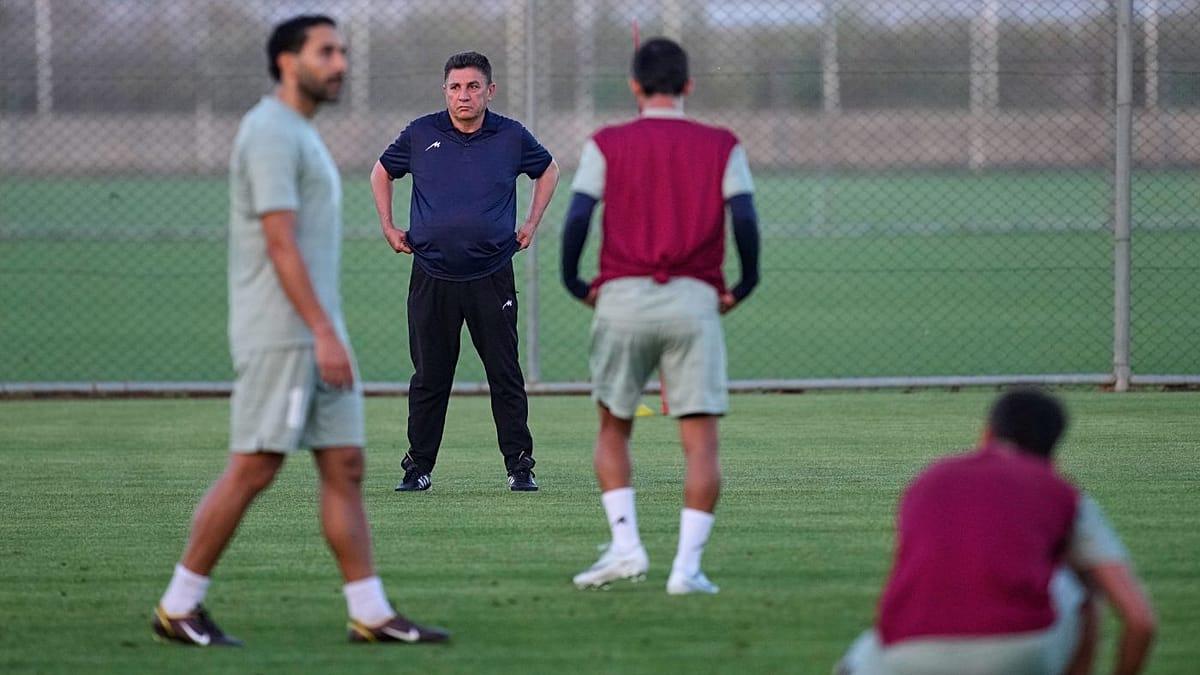
Iran Accuses United States of Blocking World Cup Staff Before 2026 Campaign
13 sources compared
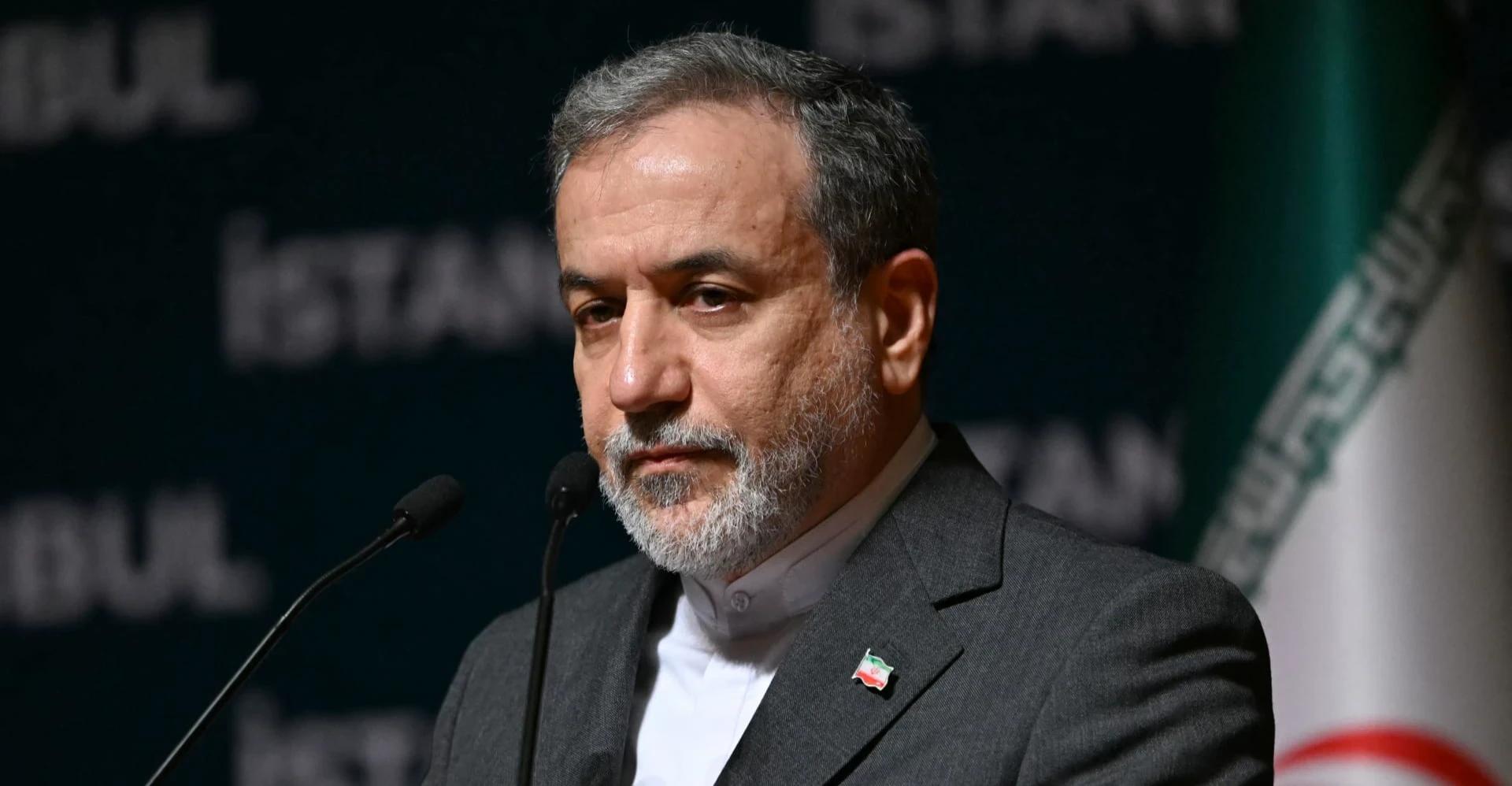
Iran's Araghchi Rebukes Lebanon President Joseph Aoun, Urges Him to Confront Israel
25 sources compared
US Downs Seven Iranian Missiles Over Kuwait and Bahrain After IRGC Strikes US Bases
13 sources compared

Pentagon Raises Israel Espionage Threat To Critical Over Iran Negotiations, Targeting Steve Witkoff
10 sources compared