Iran03 February, 20262 min read
U.S. Shoots Down Iranian Shahed-139 Drone Approaching Aircraft Carrier USS Abraham Lincoln
U.S. F-35C shot down an Iranian Shahed-139 drone approaching USS Abraham Lincoln in Arabian Sea IRGC fast boats threatened to seize a U.S.-flagged tanker in the Strait of Hormuz
16 outlets told this the same way.
Drone engagement near carrier
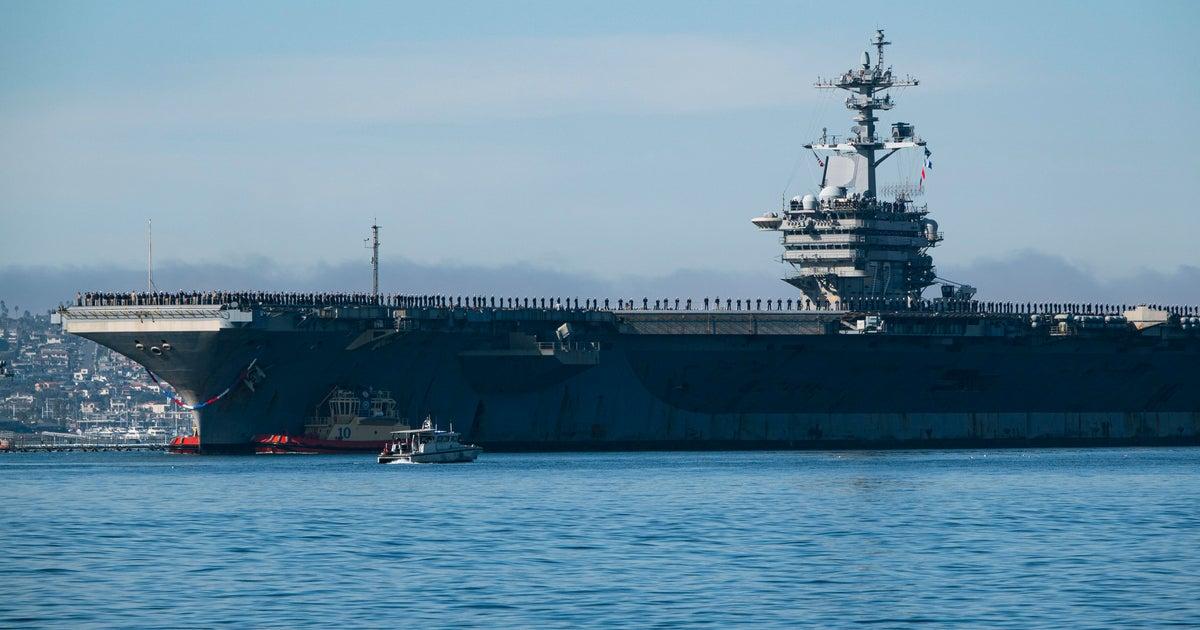
U.S. forces shot down an Iranian Shahed-139 drone after it approached the aircraft carrier USS Abraham Lincoln in the Arabian Sea, about 500 miles from Iran.
“U.S. Central Command said Feb. 3 that U.S. forces shot down an Iranian Shahed-139 drone that ‘aggressively’ approached the aircraft carrier USS Abraham Lincoln in the Arabian Sea about 500 miles from Iran.”
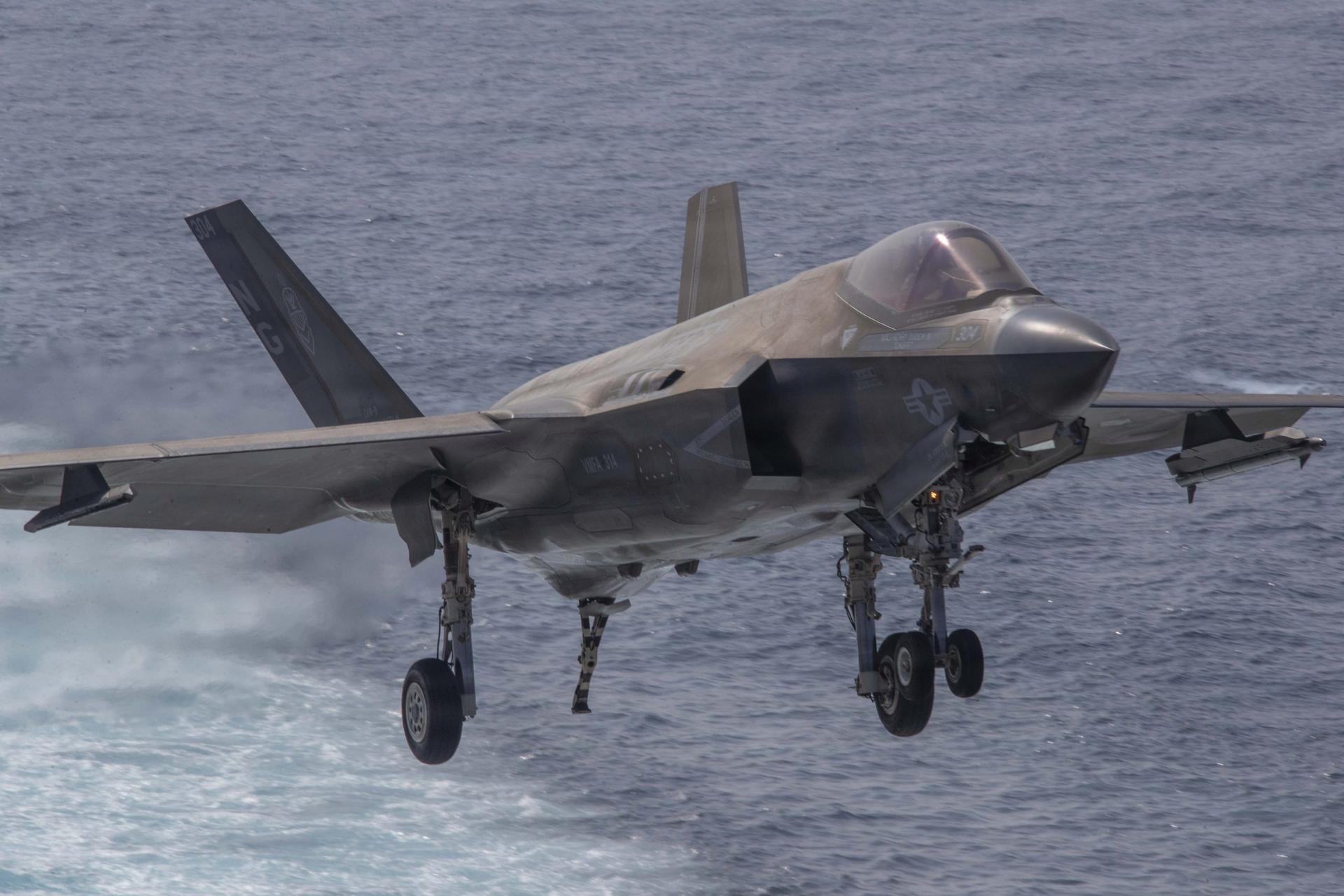
U.S. Central Command said an F-35C launched from the carrier engaged the unmanned aircraft after it continued toward the ship despite de-escalatory measures.

No U.S. service members were hurt.
Multiple reports say the action was taken to protect the carrier and its crew.
De-escalation and strike report
U.S. officials and multiple outlets reported that de-escalatory measures were attempted before the engagement and that the strike was intended to protect the ship and crew.
Capt. Tim Hawkins, a U.S. Central Command spokesman, is quoted describing attempts at de-escalation, and reports uniformly state that the intercept was carried out by an F-35 (or F-35C) launched from the carrier.
The coverage consistently notes there were no injuries to U.S. personnel.
Strait of Hormuz incidents
Several outlets place the shootdown in a broader regional context. They report additional incidents hours later involving Iranian-linked forces harassing a U.S.-flagged oil tanker in the Strait of Hormuz. They also note rising tensions between Washington and Tehran.
“The encounter took place hours before two Iranian gunboats reportedly threatened a US‑flagged chemical tanker in the Strait of Hormuz, increasing tensions ahead of planned diplomatic talks.”
SSBCrack News explicitly linked the episode to increasing tensions ahead of planned diplomatic talks. Defence Industry Europe described the event as highlighting rising tensions.
CBS News reported that forces tied to Iran's Islamic Revolutionary Guard Corps harassed the tanker Stena Imperative. The guided-missile destroyer USS McCaul escorted the tanker with Air Force support.
Coverage gaps and findings
Several supplied source snippets have coverage gaps or missing full texts. Named outlets such as Daily Wire, Newsweek, ABC7 Los Angeles, CNN, and tag24 provided only metadata or notes indicating the article text was not available.
Because those full articles are absent, their editorial framings cannot be assessed from the materials given here. Where full reporting exists — CBS News, Defence Industry Europe, DroneXL.co, and SSBCrack News — all include the core facts: a drone approached, was shot down by an F-35 or F-35C, and no U.S. injuries were reported.