South America16 February, 20262 min read
U.S. Spends Over $20M a Day—Nearly $3B Total—On Naval Deployment Near Venezuela
This article is an automated aggregation of coverage from news outlets. Our editorials offer in-depth analysis curated by the NewsCord team.
U.S. naval operations topped $20 million per day at peak The deployment’s total operating cost reached nearly $3 billion

8 outlets told this the same way.
Outlets did split on Brazil Police Kill Suspect After 13 Kindergarteners Held Hostage In Curitiba →
U.S. naval costs near Venezuela
A Bloomberg-based analysis, repeated by multiple outlets, estimates U.S. naval operations near Venezuela peaked at roughly $20 million per day and amount to nearly $3 billion in total.
“A Bloomberg analysis, reported by Latin Times, says the U.S. naval buildup centered on Venezuela since August has cost more than $20 million per day and as much as nearly $3 billion overall, covering operating expenses for the USS Gerald R. Ford carrier strike group and associated units.”
The aircraft carrier USS Gerald R. Ford and its escorts are cited at about $11.4 million per day.
Additional amphibious and expeditionary units are estimated to add roughly $8.59 million per day.
Reporting ties the buildup to deployments that began in August 2025 and continued through a peak period from mid-November to mid-January.
Some outlets describe the overall figure as roughly $2-3 billion.
These accounts emphasize that much of the spending is driven by daily ship operating costs plus combat-related expenditures such as flight hours, munitions, and extra pay.
Carrier movements and reassignment
Reporting traces the operational timeline and force movements.
The Gerald R. Ford left Norfolk in June 2025.
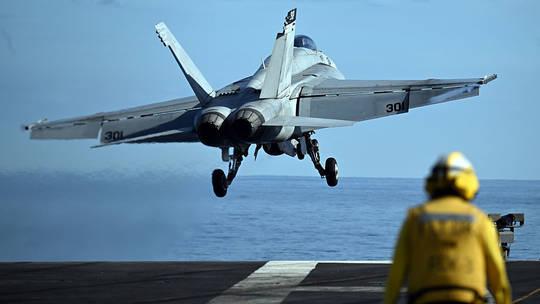
The carrier was redirected from planned European operations and arrived in Latin American waters in November as part of what one outlet calls the largest U.S. buildup in the region in decades.
U.S. officials later ordered the carrier reassigned to the Middle East amid rising tensions there, delaying the strike group’s return to home port until late spring and potentially affecting scheduled maintenance and overhauls.
At least two major naval units, Gerald R. Ford and USS Iwo Jima, remained in the region as of operational maps updated Feb. 12.
Costs of naval operations
Bloomberg drew on Pentagon operational-cost figures, ship-tracking, satellite imagery and public deployment notices to estimate per-day ship operating costs. Former Pentagon comptroller Elaine McCusker estimated Operation Southern Spear, including Operation Absolute Resolve, has likely cost about $2 billion since August 2025. Analysts and former officials explained Bloomberg’s methodology and warned about additional, harder-to-calculate costs.
“Bloomberg based its figures on Pentagon cost data, ship-tracking, satellite imagery and public announcements.”
Commentators highlighted that many expenses — extra flight hours, munitions, allowances and opportunity costs from tying up fleet assets — push the true bill beyond headline ship-operating figures. They warned those added expenses risk exceeding FY2026 budgets without a DoD contingency fund.
Coverage of naval buildup
Outlets stress strategic and regional consequences beyond the ledger. Analysts warn the buildup ties up a significant share of the Navy’s surface fleet and creates an opportunity cost by concentrating forces in one theater. Political reporting highlights that this is part of a larger U.S. effort to oversee Venezuela’s oil flow and a "smart transition."
Some coverage quotes President Trump and frames the operation as a show of force to other regional actors. Other outlets emphasize interdiction of sanctioned oil shipments to Cuba and the humanitarian and diplomatic fallout. The coverage therefore presents both a fiscal argument about budget and readiness and a political argument about U.S. objectives and regional effects.
