
US Strengthens Dollar, Blocks Iranian Ports After Peace Talks Collapse
Key Takeaways
- U.S. blockade of Iranian ports through the Strait of Hormuz
- Oil price concerns rise due to supply fears tied to blockade
- Emerging Asian currencies fall as U.S.-Iran tensions and talks fail
Global Currency Turmoil
The safe-haven U.S. dollar strengthened following the collapse of U.S.-Iran peace talks and the announcement of a U.S. naval blockade of Iranian ports.
“Safe-haven dollar gains as Iran peace talks falter, U”
The euro fell 0.3% to $1.1694 and the British pound dropped 0.2%.

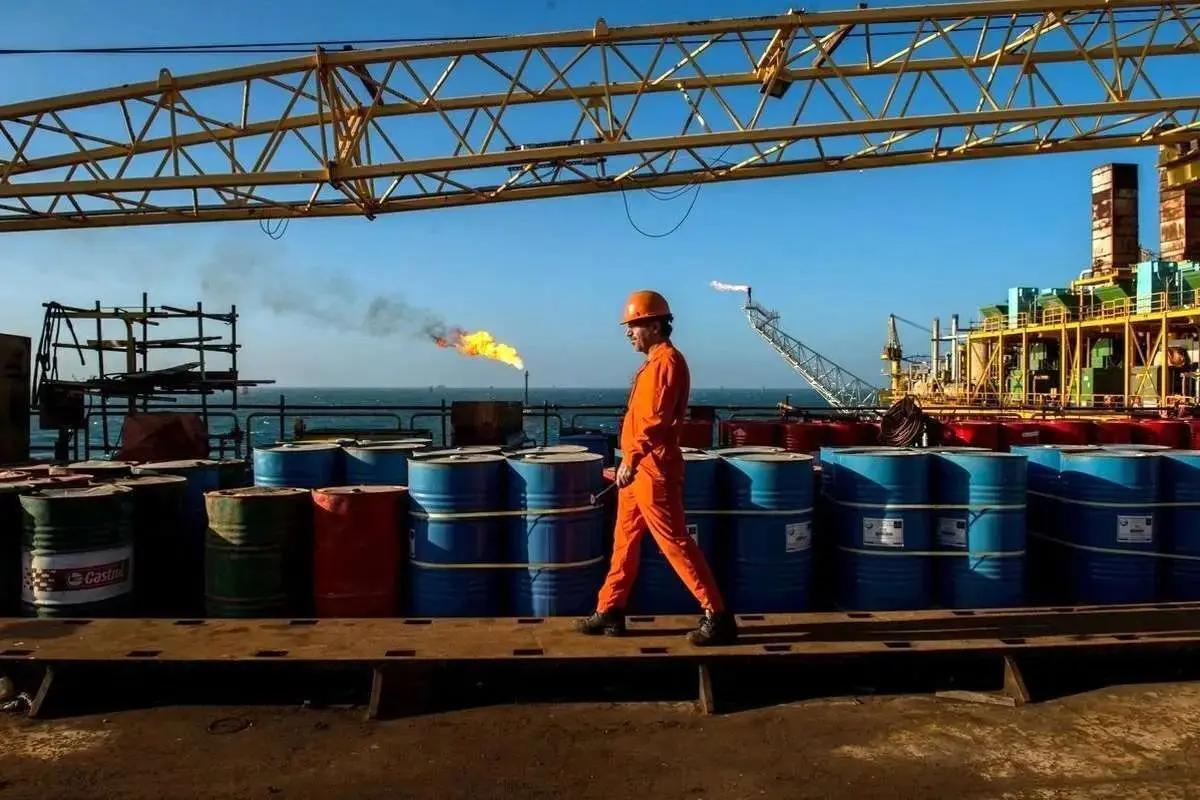
Brent crude oil prices surged back above $101 per barrel amid the heightened Middle East tensions.
The Hungarian forint surged as much as 2.4% against the dollar after the Tisza party defeated Viktor Orban.
ING FX strategist Frantisek Taborsky explained that the constitutional majority allows for a smooth transfer of power and a faster path to unlocking EU funds.
The dollar also strengthened against the yen as Japanese 10-year government bond yields jumped to their highest level in almost three decades.
Asian Currencies Under Pressure
Emerging Asian currencies opened the week softer as the U.S. blockade of Iranian ports intensified oil price shocks.
The Indonesian rupiah slipped to a new lifetime low of 17,135 per dollar.
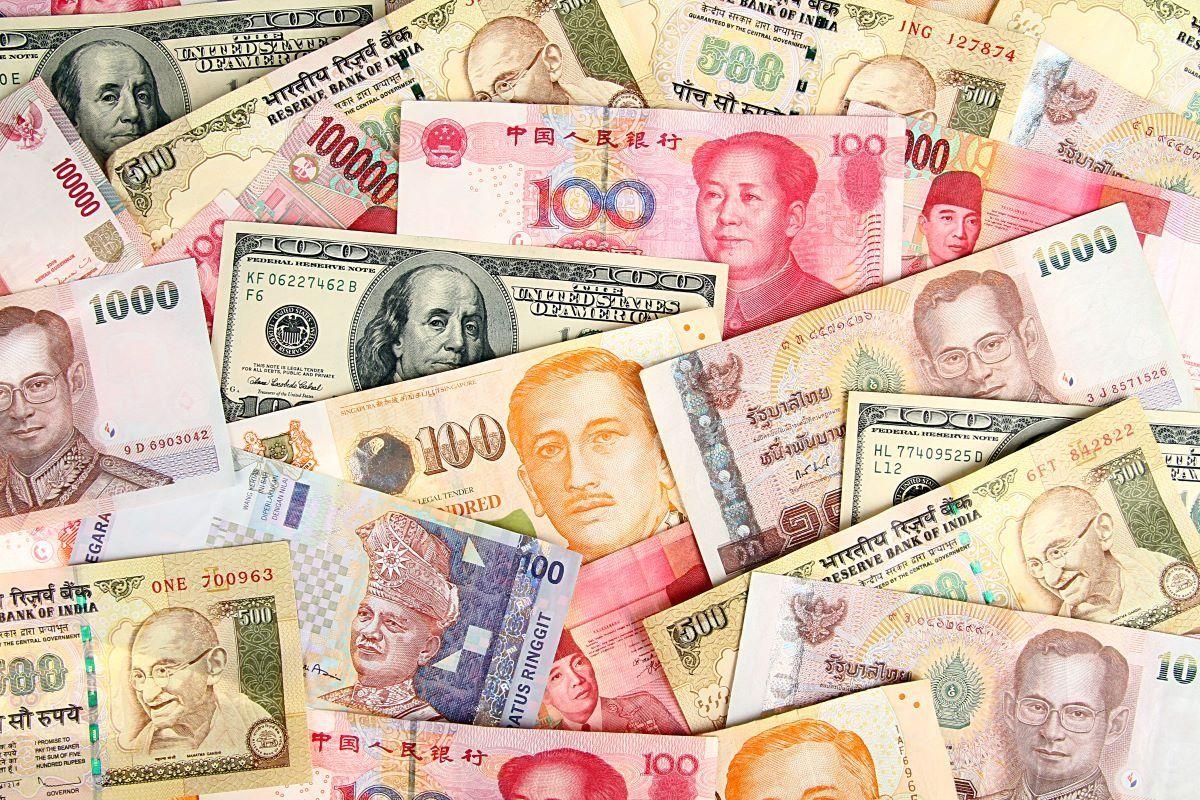
The Philippine peso breached the 60-per-dollar mark again.
MUFG analyst Michael Wan noted that a meaningful resumption of flow of traffic through the Strait of Hormuz looks much less likely now.
Singapore's dollar slipped ahead of the Monetary Authority of Singapore's expected policy tightening.
Equities in emerging Asia were mainly in the red, with the Philippine stock index down as much as 2%.
Market Reactions and Outlook
The dollar's safe-haven status has been a consistent theme throughout the conflict.
“(April 13): Emerging Asian currencies fell on Monday, led by the Thai baht and Philippine peso, as failed US-Iran peace talks and the US plans to blockade Iranian maritime traffic through the Strait of Hormuz weighed on markets exposed to oil price shocks”
Handelsbanken's Tommy von Brömsen cautioned that the U.S. inability to conduct sound policy could start to push investors away from the U.S. currency.
The Commodity Futures Trading Commission showed speculators raised their net long positions in the dollar.
Positioning in the euro flipped to a net short for the first time since March last year.
Bank of Japan Governor Kazuo Ueda said economic and price developments were moving roughly in line with forecasts.
Analysts from Nomura wrote that the risk of policy errors is relatively high in Japan and Europe.
More on Finance

Middle East War Triggers Global Oil Shock, Prices Surge To Highest Since 2008
17 sources compared

IMF Downgrades 2026 Global Growth Forecast Due to US-Israel War on Iran
10 sources compared
U.S. Stocks Rally as Middle East Peace Talks Ease Iran Conflict Fears
11 sources compared
US-Iran Ceasefire Sends Asian Stocks Soaring; Brent Oil Plunges 7%
17 sources compared