Full story
U.S. expands Hormuz strikes
The United States attacked bridges and other key infrastructure in southern Iran overnight into Friday, capping nearly a week of strikes aimed at intensifying pressure on Tehran over control of the Strait of Hormuz.
“The United States has expanded its military campaign against Iran, with Tehran accusing Washington of striking civilian infrastructure as US forces carried out a sixth consecutive night of attacks”
NBC News reported that CENTCOM announced a new round of attacks at 3 p.m. ET for the seventh consecutive night, saying the strikes were designed to continue degrading Iranian military capabilities.

NBC News said Iranian state media reported at least eight people were killed and 20 others injured in the strikes, and it reported IRNA said at least six bridges were hit, including one under construction.
The BBC reported that a White House spokesperson told it the U.S. had carried out strikes exclusively on military targets, including military logistics infrastructure, while BBC Verify confirmed an attack on a bridge in Hormozgan province.
NBC News also said the U.S. military targeted “military logistics infrastructure” and “maritime capabilities” in Iran during a sixth consecutive night of strikes, while Iranian officials said the attacks hit civilian infrastructure.
Denials, verified damage, threats
The BBC reported that Iranian state media and provincial authorities said Iranshahr Airport, a railway station, and six bridges in Hormozgan province were hit on Thursday night, with provincial authorities saying seven people were killed.
BBC Verify and BBC Persian verified footage of damage to Gariveh Bridge, after night videos showed a ball of flames on top of it, and daylight images showed a crumbled stretch of road with rubble around the broken bridge.

In response to the latest U.S. attacks, the BBC said Iran’s Revolutionary Guard Corps (IRGC) claimed it had struck US maritime surveillance radar sites in Oman and targets in Kuwait and Bahrain, and it also claimed to have attacked a US special operations command centre at al-Tanf in Syria.
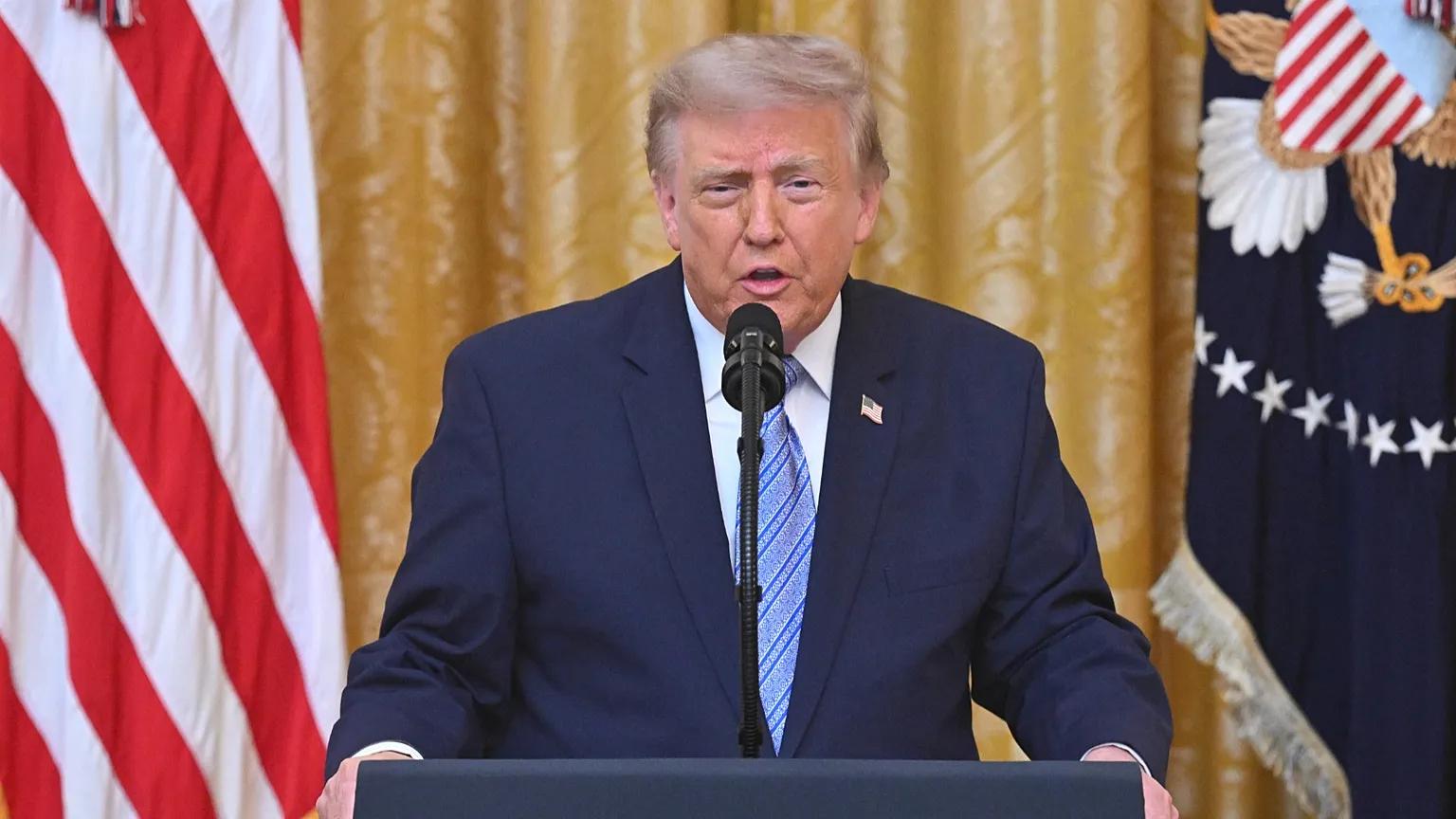
NBC News reported that President Donald Trump insisted the war was going well in a primetime address, saying, “We are likewise winning big in Iran, and you will see the fruits of that labor very, very shortly,” while it said Tehran hit back with new attacks on U.S. allies in the Middle East.
CNN Arabic reported that Mohsen Rezaei, a senior IRGC official, warned the United States of a “comprehensive attack” if it continued carrying out military strikes against Iran, quoting him as saying, “If U.S. attacks continue for another two or three days, we will enter a phase of comprehensive offensive operations.”
International concern and next moves
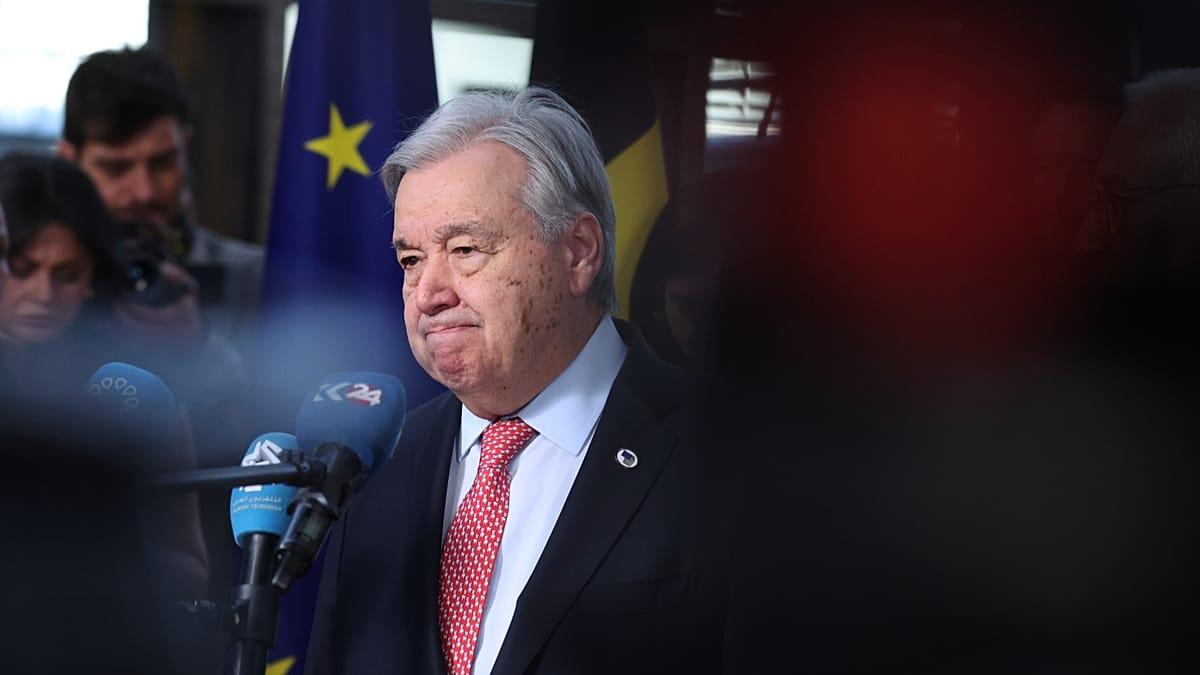
The BBC reported that UN human rights chief Volker Türk said deliberately attacking civilians and civilian infrastructure is a war crime, and it reported UN Secretary-General Antonio Guterres expressed concern about escalation over “attacks on civilian infrastructure in Iran and across the region,” his spokesperson said.
“The United States has intensified its military operations against Iran, targeting several infrastructure facilities during the Thursday night into Friday, after its early strikes had focused mainly on military targets”
Qatar news agency QNA said Farhan Haq, the deputy spokesperson for the UN Secretary-General, told a press conference that Guterres remained deeply concerned about attacks targeting civilian infrastructure in Iran and across the region, calling such attacks unacceptable.
NBC News said the escalation has led to days of strikes and counterstrikes across the region, with traffic in the crucial waterway largely halted as the two sides battle over it, and it reported daily traffic dwindled to only a dozen or so ships this week.
NBC News reported that Tehran declared the entire waterway closed, while the U.S. encouraged ships to move closer to Oman to ease Tehran’s grip on the key trade route and reimposed its naval blockade of Iranian ports.
The BBC also reported that the U.S. and Iran agreed to stop fighting in June to enable talks to end the war, but it said Trump declared the ceasefire over last week and that the Strait of Hormuz has remained shut.