
U.S. Strikes Disable Iranian Oil Tankers Near Strait of Hormuz, Trump Says
Key Takeaways
- U.S. forces struck two Iranian-flagged unladen tankers near the Strait of Hormuz, disabling them.
- Vessels identified as Sea Star III and Sevda; an F/A-18 disabled them by striking smokestacks.
- CENTCOM says it enforced blockade measures against tankers attempting to reach Iranian ports.
Tankers Disabled in Hormuz
The U.S. and Iran exchanged fire near the Strait of Hormuz on Thursday, adding new strain to the ceasefire, as U.S. Central Command said three U.S. Navy guided-missile destroyers came under attack while transiting the strait to the Gulf of Oman.
“US forces strike 2 more Iranian-flagged unladen oil tankers U”
Hours later, the U.S. said it struck and disabled two Iranian oil tankers, with Stars and Stripes reporting that U.S. forces disabled the M/T Sea Star III and M/T Sevda after an F/A-18 Super Hornet fired precision munitions into their smokestacks.

Al Jazeera said the Pentagon released video showing U.S. strikes on two Iranian oil tankers in the Strait of Hormuz, and that the U.S. military said the vessels were disabled following overnight exchanges of fire with Iranian forces.
NBC News reported that President Donald Trump said on Truth Social that “There was no damage done to the three Destroyers, but great damage done to the Iranian attackers,” and that he wrote the attackers were “completely destroyed along with numerous small boats.”
Accusations and Negotiation
Iran’s Foreign Minister Abbas Araghchi responded on X to a U.S. intelligence analysis, asserting, “Every time a diplomatic solution is on the table, the US opts for a reckless military adventure.”
NBC News reported that Secretary of State Marco Rubio told reporters on Friday that the U.S. expected a response from Iran, saying, “We should know something today. I mean, we’re expecting a response from them.”

The Washington Post said the Trump administration anticipated a reply from Tehran on its latest terms for ending the war, while Iran denounced the latest clashes as a “crude pressure tactic.”
In the same reporting, NBC News said a U.S. official told it the strikes in Bandar Abbas and Qeshm Island on Thursday were defensive and did not constitute a resumption of major combat operations against Iran.
Blockade, Oil, and Fallout
The U.S. said it was enforcing blockade measures, with Stars and Stripes reporting that it had redirected 57 commercial vessels and disabled four overall to prevent ships from entering or leaving Iranian ports.
“Toggle Play Pentagon releases video of strikes on Iranian oil tankers Footage released by the Pentagon shows US strikes on two Iranian oil tankers in the Strait of Hormuz”
Defense News said the U.S. has turned away 50 commercial vessels operating in the strait since the U.S. Navy blockade began on April 12, and it described Friday’s confrontation as capping a week that included U.S. destruction of six Iranian small boats and cruise missiles and drones launched by the Islamic Revolutionary Guard Corps.
NBC News reported that the fragility of the ceasefire was highlighted by the Strait of Hormuz having no traffic at all on Thursday, the second day in a row, according to S&P Global Market Intelligence.
Al Jazeera said the U.S. strikes were aimed at preventing tankers from reaching ports in the Gulf of Oman, while NBC News reported Trump also said, “We really control it; they don’t. And we’ve taken the business away from them.”
More on Iran
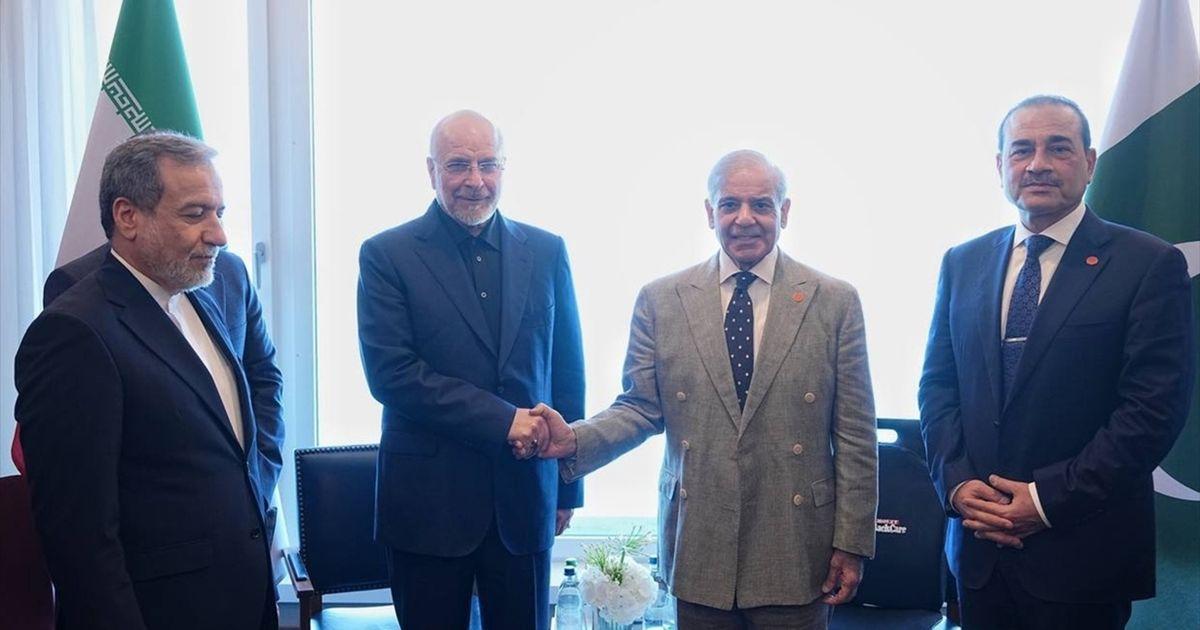
Iran And US Advance Post-War Diplomacy In Switzerland, Pakistan And Qatar Set 60-Day Roadmap
10 sources compared
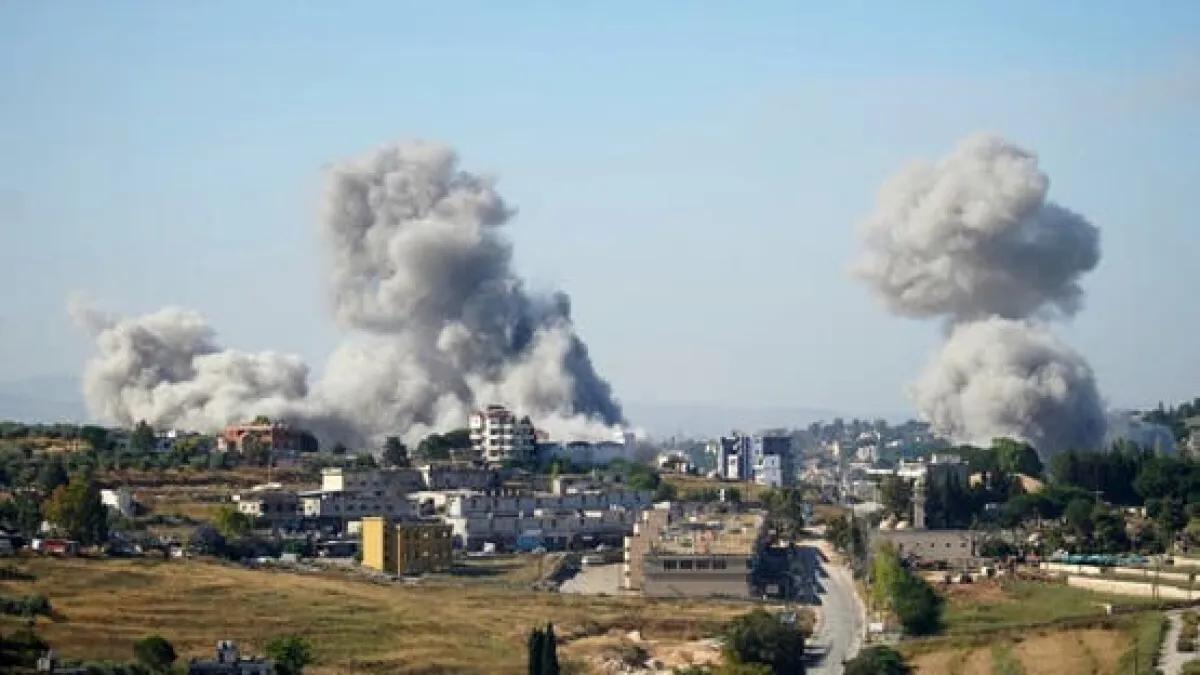
Trump Secures Hezbollah Pledge to Stop Attacks on Israel, Netanyahu Says Productive Call
10 sources compared

Iranian President Masoud Pezeshkian Visits Pakistan Tuesday For Talks With Asif Ali Zardari
10 sources compared
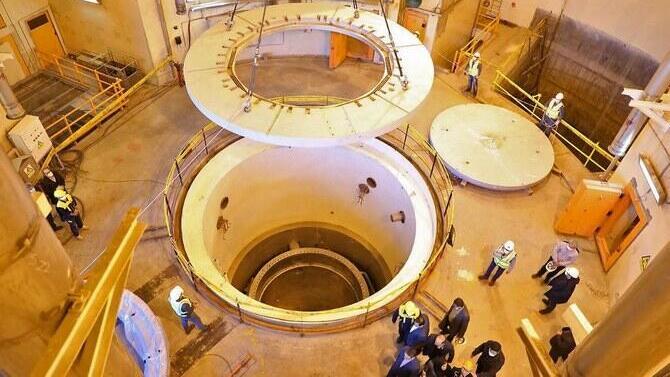
U.S. Authorizes Iranian Oil Sales Through August After Talks in Switzerland
18 sources compared