
U.S. Strikes Hit Iranian Missile Launchers Near Strait of Hormuz
Key Takeaways
- U.S. strikes targeted Kharg Island, a central node in Iran's oil network.
- Oil prices surged after the Kharg Island strikes, signaling market disruption.
- Analysts warn the strikes could escalate into broader U.S.–Iran confrontation near Hormuz.
U.S. Missile Strikes
U.S. military forces conducted significant strikes on Iranian missile launchers near the Strait of Hormuz, utilizing multiple 5,000-pound deep-penetrator munitions against hardened Iranian missile sites along Iran's coastline.
According to U.S. Central Command, these targeted Iranian antiship cruise missiles that posed a direct risk to international shipping in the strategically vital waterway.

House Speaker Mike Johnson, who is close to Trump, addressed the operation at a news conference, insisting that while the military operation against Iran would be winding down quickly, securing the strait remains a critical issue.
Johnson emphasized the need for allied support, stating 'We ask our allies to step up and acknowledge that reality and help us out,' while dismissing concerns about inadequate congressional briefings on the war strategy.
Strategic Oil Target
The strategic importance of the region was underscored by the significance of Kharg Island, which has become a focal point of the conflict.
The U.S. strike destroyed military sites on Kharg Island, which is vital to Iran's oil network and economic infrastructure.
U.S. Sen. Lindsey Graham, one of Trump's close Republican allies, emphasized the island's critical importance, posting on social media 'He who controls Kharg Island, controls the destiny of this war.'
Energy researcher Petras Katinas from the Royal United Services Institute noted that Kharg Island was critical to funding Iran's government and military, stating that if Iran were to lose control there, 'it would be difficult for the country to function, even though the island is not a military or nuclear target.'
Trump warned that if Iran interferes with ships passing through the Strait of Hormuz, he will reconsider his decision not to target oil infrastructure on the island.
Humanitarian Crisis
The conflict has triggered a severe humanitarian crisis with millions displaced across the Middle East and global supply chains severely disrupted.
Lukas Gehrke, director of the International Organization for Migration in Brussels, warned that humanitarian groups are bracing for a crisis as the U.S.-Israeli war against Iran and its proxies displaces millions across the region.
In Lebanon alone, more than 1 million people are displaced, and about 100,000, mostly Syrians, have fled into Syria, with the IOM expecting 250,000 refugees might soon need food and medicine.
The World Food Program reported that the conflict is upending supply chains and could push 45 million more people into acute hunger if the war lasts through June — up from 319 million people already facing hunger globally.
WFP deputy executive director Carl Skau described this as 'a terrible, terrible prospect' that would take global hunger levels to an 'all-time record,' with the organization potentially facing 'the most severe disruption since Covid and the Ukraine war back in 2022.'
Iranian Retaliation
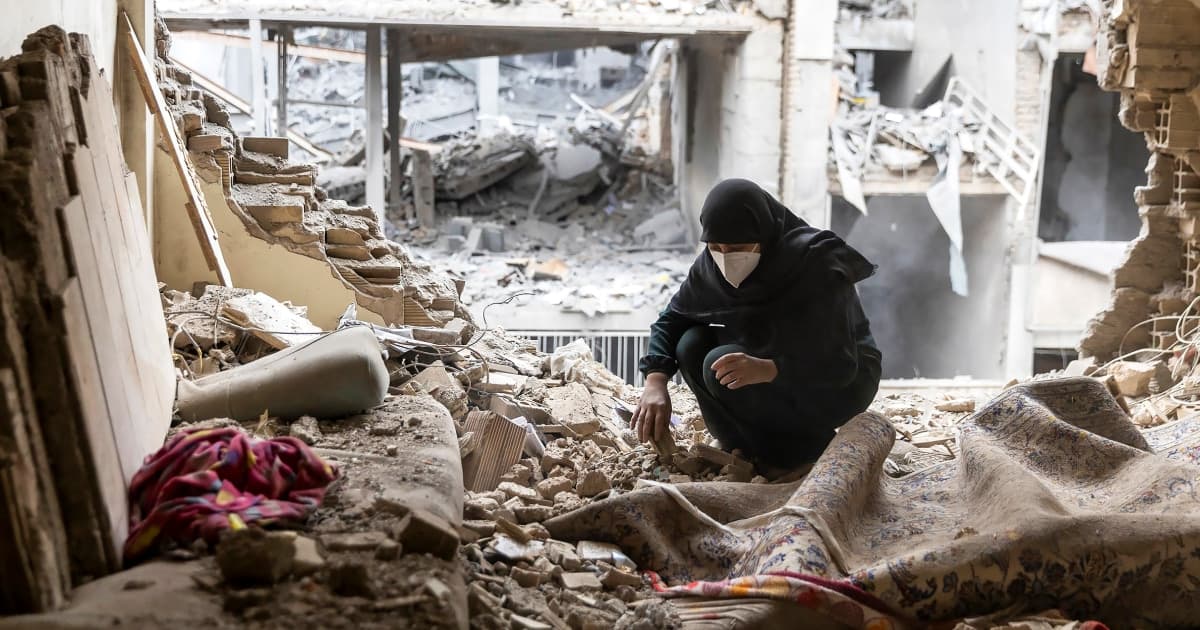
Iran has responded with intensified military actions, launching coordinated attacks on U.S. facilities across the Middle East.
Iran intensified its overnight assault on U.S. facilities across the region, launching rockets and at least five drones at the U.S. Embassy in Baghdad early Tuesday, with Iraqi security sources describing it as the most significant attack since the start of the U.S.-Israel war with Iran on Feb. 28.
The UAE's defense ministry reported intercepting 10 Iranian missiles overnight and 45 Iranian drones, describing it as one of the busiest nights for the country's air defense system in the last week.
Meanwhile, Joe Kent, director of the National Counterterrorism Center, resigned Tuesday over his opposition to the Trump administration's war with Iran, stating 'I cannot in good conscience support the ongoing war in Iran. Iran posed no imminent threat to our nation, and it is clear that we started this war due to pressure from Israel and its powerful American lobby.'
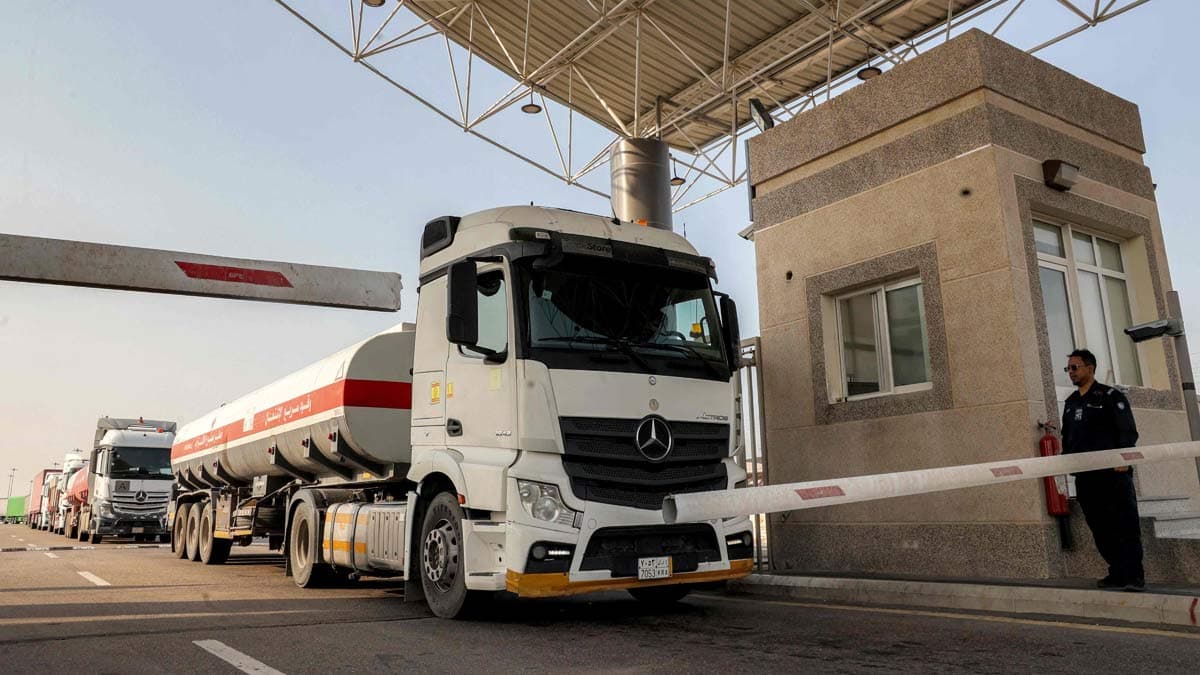
The conflict has also severely disrupted global energy markets, with Iran's attacks on the Gulf and closure of the Strait of Hormuz causing oil prices to spike to levels not seen in years, above $100 per barrel.
More on Iran

Israel strikes Iran's Pars gas field as Tehran vows revenge
14 sources compared
Trump threatens to blow up South Pars gas field if Iran attacks Qatar again
10 sources compared
UAE Halts Habshan Gas Facility Operations After Debris From Intercepted Missiles
10 sources compared

Iran Threatens Gulf Energy Facilities After Israel Strikes South Pars Gas Field
11 sources compared