Iran09 July, 20263 min read
U.S. Strikes Iran Again After Trump Says Ceasefire Is Over, Iran Targets U.S. Bases
U.S. launches second round of strikes on Iran, hitting about 90 targets. Iran reports 14 dead over two days of attacks.
BBC was read line by line by the Watchdog: 4.7. See the score →
Strikes After Ceasefire
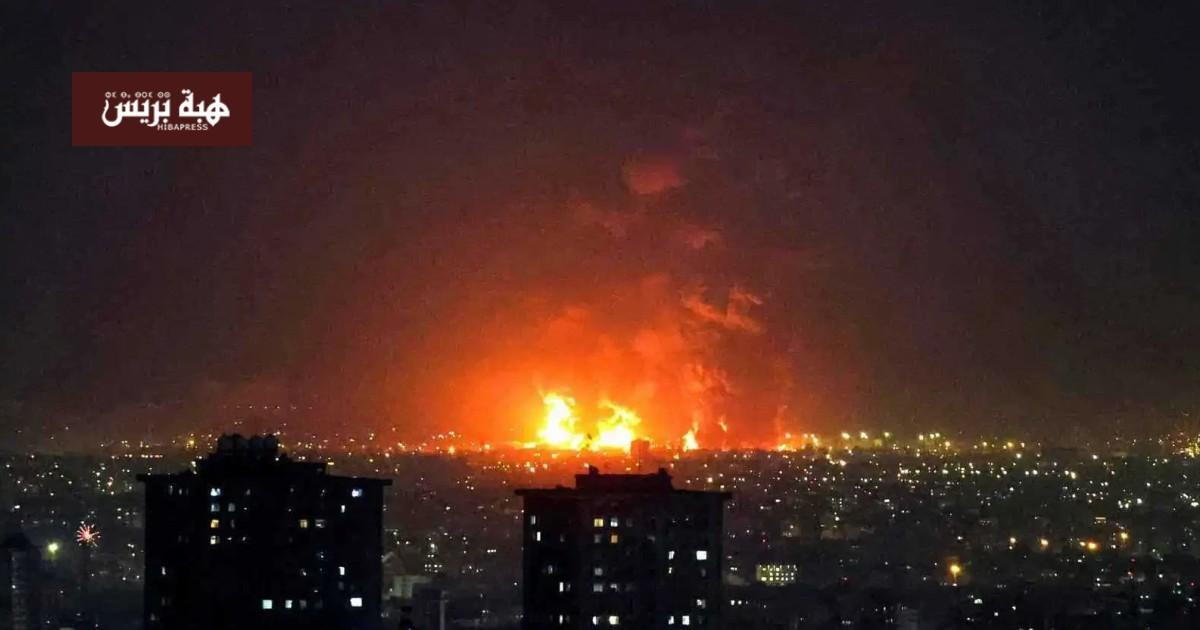
The United States and Iran traded more strikes after President Trump said the ceasefire was "over," with the U.S. military launching a second round of strikes late Wednesday and saying it struck about 90 targets inside Iran.
CBS News reported that the U.S. Central Command said it hit about 90 targets, including missile and drone storage sites and air defense systems, as the tit-for-tat exchange continued into Thursday.

Tehran then said it targeted U.S. bases in Bahrain, Kuwait and Qatar, while the BBC said Iran launched more strikes after the second round of U.S. attacks in southern Iran.
The BBC reported that Iran said 14 people have been killed in the past two days, and that Iran's health ministry said 14 people had been killed and 78 people injured across five provinces.
In the same BBC account, U.S. Central Command said the strikes were carried out to "further degrade Iran's ability to attack commercial shipping and innocent civilian mariners" in the Strait of Hormuz.
Voices, Warnings, and Quotes
Iran's foreign ministry denounced the latest U.S. strikes as a "grave war crime," describing the U.S. administration as "evil and psychopathic," as the BBC described the exchanges continuing into Thursday. The BBC also quoted Iran's parliamentary speaker Mohammad Bagher Ghalibaf, who is also the country's chief negotiator with the U.S., saying on X that America "still hasn't learned that bullying and breaking promises are no longer cost-free." Al Jazeera framed the escalation as a threat to fragile peace talks, reporting that Trump told reporters at the NATO summit in Ankara, Turkiye, that he thought the memorandum of understanding (MoU) with Iran was “over.”
Al Jazeera also quoted a professor of politics at the University of Bradford, Alam Saleh, saying: "Bombing is not working." The BBC added that Phil Belcher of Intertanko said the number of ships travelling through the Strait via the southern route was now in "single figures" following the step up in hostilities.
Shipping Disruption and Next Steps
The BBC reported that observers saw a "dramatic" drop in the number of ships travelling through the Strait of Hormuz, with Phil Belcher saying the overall daily figure of about 30 ships was down from about 70 a week ago and well below the normal number of 130 ships.
Al Jazeera reported that the IRGC said traffic had been restored to 50 percent compared to pre-war levels and blamed Washington’s "adventurism and interference" in determining routes for the current disruption.
The BBC said the head of the International Maritime Organization reported that about 6,000 sailors remain trapped around the Strait of Hormuz, while U.S. Central Command said its goal was to further degrade Iran's ability to attack commercial shipping.
In the BBC account of the wider regional ripple, it said later on Thursday Tehran launched more strikes on sites in Kuwait, Jordan and Iraq, state-linked media reported, after Iran said it targeted U.S. assets in Kuwait, Bahrain and Qatar in response.
CBS News added that Tehran then said it targeted U.S. bases in Bahrain, Kuwait and Qatar as the two nations' seeming tit for tat continued, with the U.S. military saying it struck about 90 targets inside Iran during the second round of strikes.