
U.S. Strikes Iran-Aligned Militias in Iraq After Drone and Missile Attacks on U.S. Assets
Key Takeaways
- U.S. assets, including the Baghdad embassy, were attacked in Iraq
- Attacks raised fears of broader regional escalation
- Iraq risks being dragged back into a proxy conflict between Tehran and Washington
US strikes and militia attacks
U.S. forces carried out strikes against Iran-aligned militias in Iraq after a series of drone and missile attacks that struck U.S. positions across the country and the wider region.
“Iran-aligned militias are launching drone and missile attacks on US assets in Iraq and the Kurdistan region, risking broader regional escalation”
According to reporting, "Iran-aligned militias have been launching drone and missile attacks across Iraq and the Kurdistan region—targeting US positions such as Harir Air Base (near the US consulate in Erbil), the US embassy in Baghdad and a US logistics hub at Baghdad International Airport—raising fears of wider regional escalation."

The violence "flared on Feb. 28," and sources report the United States "has carried out retaliatory strikes on militia headquarters in Iraq that have killed and wounded fighters."
Iraqi authorities and analysts expressed alarm about escalation and the risk of the conflict widening.
Militia attacks and US strikes
The attacks and the subsequent U.S. strikes have involved multiple facilities and raised cross-border concerns.
Reporting ties the militia attacks to sites inside Iraq and to strikes elsewhere in the region.
One militia claimed responsibility for an assault on Jordan’s Muwaffaq Salti Air Base.
Kuwait accused militias of hitting a base on its soil, prompting diplomatic protest.
The U.S. response has targeted militia headquarters in Iraq.
Sources say these strikes "have killed and wounded fighters."
Baghdad’s government is trying to walk a tightrope between Washington and Tehran while condemning the destabilising actions.
Baghdad's neutrality and response
Baghdad, under Prime Minister Mohammed Shia Al Sudani, has publicly sought to preserve neutrality while reasserting state authority.
“Iran-aligned militias are launching drone and missile attacks on US assets in Iraq and the Kurdistan region, risking broader regional escalation”
Reporting notes that Baghdad, led by Prime Minister Mohammed Shia Al Sudani, has ordered security forces to stop destabilising actions while balancing ties with Washington and Tehran.
Local statements and analysts described the attacks as actions of 'rogue groups' that do not represent Iraq, and officials ordered pursuit of those responsible.
Officials stressed that 'decisions about war and military action must remain the state’s prerogative'.
At the same time, there is visible public frustration, with voices warning 'It’s not Iraq’s war,' likening the militias’ actions to 'demolishing your own house' and urging focus on reconstruction and services.
Security warnings and red lines
Analysts and Western observers warned that attacks on symbols like the U.S. Embassy could cross "red lines" and prompt direct American responses.
The U.S. Embassy issued a security alert "urging Americans to leave Iraq if possible or take shelter, citing threats from Iran and Iran-aligned groups and recent attacks on foreign-frequented facilities and infrastructure."
Atlantic Council commentary cited in reporting called strikes on the Green Zone a "red line," suggesting Washington may act independently if it deems necessary.
Commentators warned the incidents risked undoing Iraq’s fragile security gains and could draw Baghdad into a broader Israel–Iran confrontation.
More on Middle East
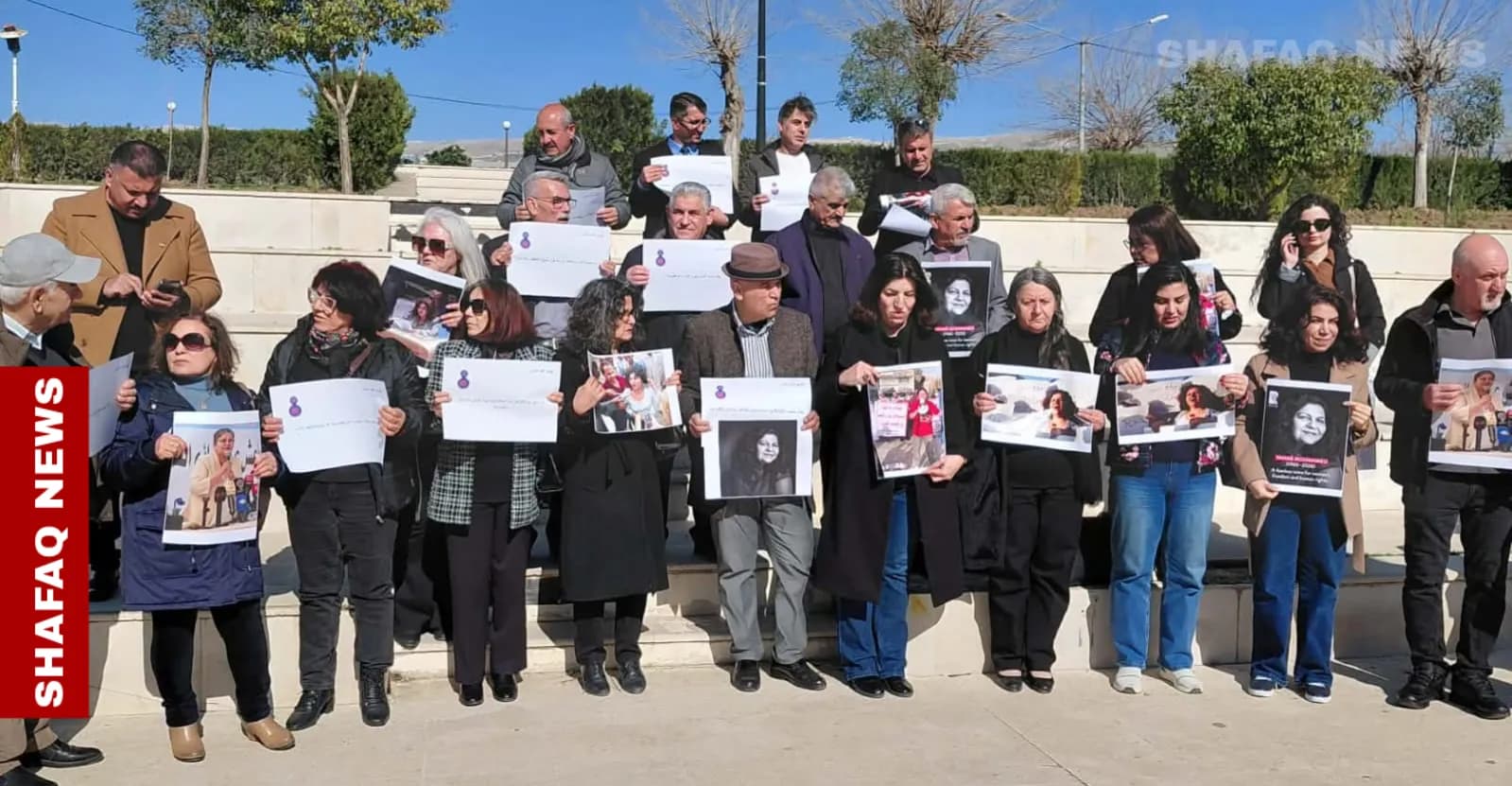
Unidentified Gunmen Assassinate Yanar Mohammed Outside Her Baghdad Home
12 sources compared

Israel Partially Reopens Rafah Crossing After Deadly Assault on Gaza
32 sources compared
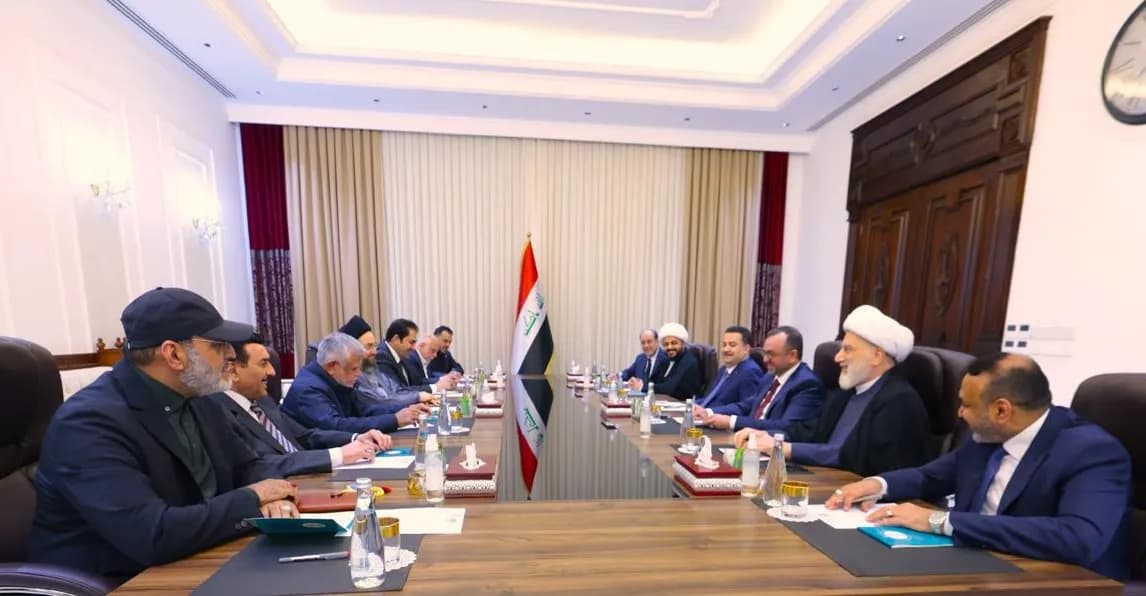
Trump Threatens To End U.S. Support If Iraq Reinstates Nouri al-Maliki As Prime Minister
21 sources compared
Trump Threatens to Cut U.S. Support to Iraq if Nouri al‑Maliki Becomes Prime Minister
25 sources compared