
U.S. Strikes Iran, Hitting Anti-Ship Missile Launchers Along Strait of Hormuz
Key Takeaways
- U.S. airstrikes hit Iranian military targets on Kharg Island.
- Trump described Kharg Island as Iran's crown jewel.
- Strikes threatened disruption to Iran's oil exports via Kharg Island.
Strategic Escalation
The Trump administration has escalated military tensions with Iran through targeted strikes hitting anti-ship missile launchers along the strategically vital Strait of Hormuz.
“President Donald Trump's order to strike Iranian military assets on Kharg Island has thrust one of Tehran's most critical oil hubs into the center of the escalating U”
This key shipping artery is crucial for global energy supplies, making it a critical strategic target.

President Donald Trump ordered attacks on Iranian military assets in a significant escalation of the ongoing conflict.
The National Counterterrorism Center has publicly criticized these actions, stating that Iran posed no imminent threat to the United States.
This criticism suggests the war was initiated due to pressure from Israel and its powerful American lobby.
These perspectives highlight the complex geopolitical dynamics driving the conflict.
Strategic Targets
The specific targeting of anti-ship missile launchers along the Strait of Hormuz demonstrates the strategic importance of this waterway for global energy security.
The CNBC report reveals that Trump's strikes specifically targeted military facilities on Kharg Island.
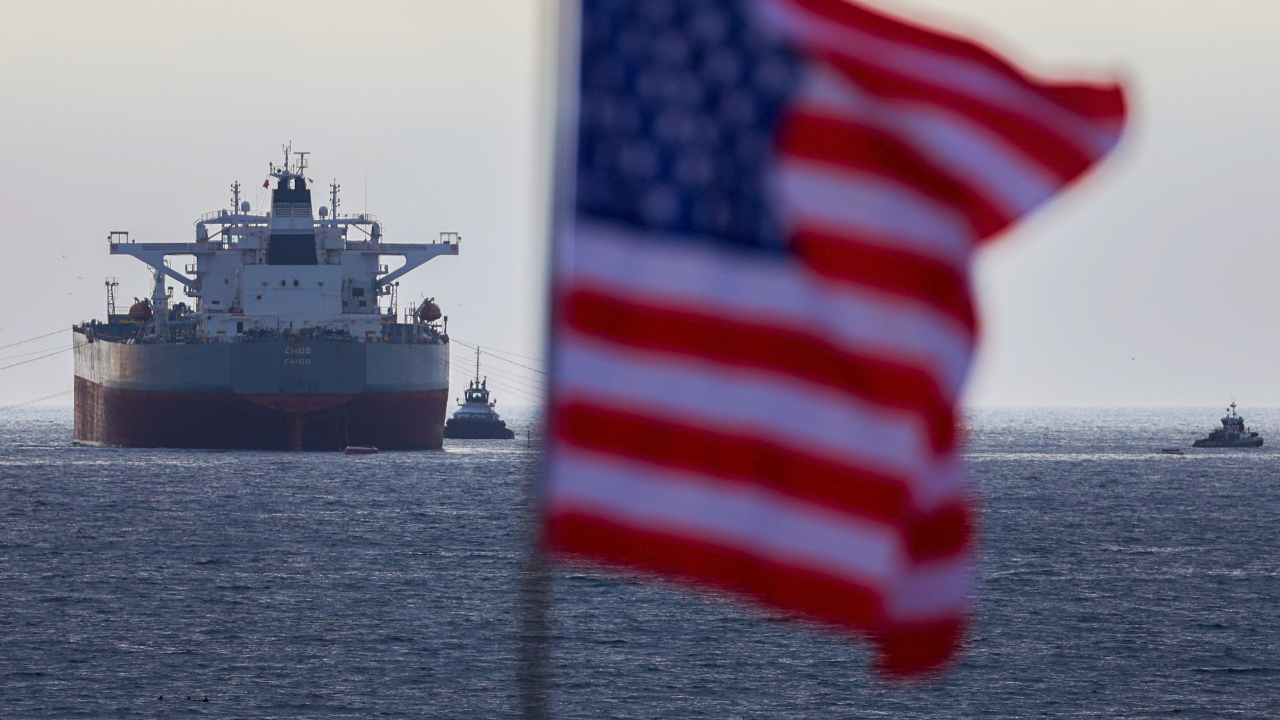
Kharg Island handles roughly 90% of Iran's crude exports and is regarded as one of Tehran's most sensitive economic targets.
This five-mile-long coral island is located about 15 miles off the coast of mainland Iran in the northern Persian Gulf.
It serves as a critical hub for Iran's oil export operations.
Military analysts suggest that by targeting these anti-ship capabilities, the U.S. is seeking to protect commercial shipping lanes.
These strikes simultaneously apply economic pressure on Iran's oil-dependent economy.
Human Costs
The conflict has already resulted in significant human costs across multiple nations.
“ElliottandPeter Eavis Anton Troianovski reported from Washington, Rebecca F”
Casualty figures are climbing rapidly as the confrontation intensifies.
Official reports from involved countries show at least 1,300 people have been killed in Iran.
At least 900 people have been killed in Lebanon, and 12 in Israel.
The U.S. military reports at least 13 American service members killed and about 200 wounded.
These casualty figures underscore the humanitarian impact of the escalating conflict.
Civilian populations in the region are particularly affected.
Israeli military officials claim Iran's security chief and head of Basij force were killed in overnight strikes.
Iran has not immediately acknowledged either death.
Regional Escalation
Regional security has been severely impacted as the conflict has spread beyond direct U.S.-Iran engagements.
Gulf Arab nations have come under renewed missile and drone fire from Iran.

A drone attack in the United Arab Emirates sparked a fire at an oil tank farm in Fujairah.
Fujairah is an emirate on the UAE's east coast with the Gulf of Oman that has been repeatedly targeted.
The Israeli military has launched new attacks across Tehran and Beirut.
Strikes on the Lebanese capital specifically target Hezbollah militants.
This regional escalation raises concerns about the potential for further conflict spread.
Major energy infrastructure remains vulnerable to attacks.
These strikes represent a dangerous tit-for-tat escalation that could destabilize the entire Middle East region.
Global energy markets face potential disruption.
Economic Impact
Economic implications of the conflict are becoming increasingly apparent.
“In a statement posted on his Truth Social page late on March 13, U”
The situation could escalate to target Iran's critical oil infrastructure.
Analysts cited in Western Mainstream sources say the strike on Kharg military facilities was a warning shot to Tehran.
If Iran continues attacks on commercial vessels in the Strait of Hormuz, the oil infrastructure on the island would be next target.
This represents a significant escalation that could dramatically impact global energy markets.
Kharg Island handles roughly 90% of Iran's crude exports.
The potential disruption of this critical oil export hub could lead to substantial price increases.
Supply chain disruptions worldwide are possible.
This underscores the high stakes in the ongoing U.S.-Iran conflict.
Strategic Debate
The ongoing conflict raises significant questions about strategic objectives.
Questions also arise about the effectiveness of U.S. military strikes on Iran.
The Trump administration frames attacks as necessary to protect commercial shipping.
The administration also aims to deter Iranian aggression.
Critics within national security apparatus question the fundamental rationale for military action.
A National Counterterrorism Center official resigned, stating he “cannot in good conscience” support the Trump administration's war in Iran.
This highlights internal dissent within the security apparatus.
The official asserted Iran posed no imminent threat.
He also claimed the war was initiated due to pressure from Israel and its powerful American lobby.
This suggests complex geopolitical motivations driving U.S. military policy.
This internal disagreement underscores uncertain strategic direction.
More on Iran

Israel strikes Iran's Pars gas field as Tehran vows revenge
14 sources compared
Trump threatens to blow up South Pars gas field if Iran attacks Qatar again
10 sources compared
UAE Halts Habshan Gas Facility Operations After Debris From Intercepted Missiles
10 sources compared

Iran Threatens Gulf Energy Facilities After Israel Strikes South Pars Gas Field
11 sources compared