
US Strikes Iranian Missile Sites Near Strait of Hormuz
Key Takeaways
- US forces struck hardened Iranian missile sites along the Strait of Hormuz with 5,000-pound bombs.
- CENTCOM confirmed precision strikes against underground missile facilities along Iran's southern coast.
- Strikes raised international concerns over shipping security and oil supply.
Strategic Strikes
US forces conducted precision strikes on March 17, 2026, employing multiple 5,000-pound deep penetrator munitions against hardened Iranian missile sites along the coastline near the Strait of Hormuz.
“Web Image | Sort by Relevance Date ---|--- [](https://charter97”
According to US Central Command, these facilities housed Iranian anti-ship cruise missiles that posed a direct threat to international shipping through the strategically vital waterway.
The strikes represent a significant escalation in the ongoing conflict that began on February 28 when US and Israeli forces killed Iran's Supreme Leader Ali Khamenei in coordinated attacks.
CENT Commander Admiral Brad Cooper emphasized Washington's resolve to 'continue to rapidly deplete Iran's ability to threaten freedom of navigation in and around the Strait of Hormuz,' while Iran's new supreme leader Mojtaba Khamenei vowed the strait would remain closed in retaliation.
Advanced Weaponry
The strikes employed the advanced GBU-72 Advanced 5K Penetrator, a sophisticated GPS-guided bunker-busting bomb specifically designed to overcome hardened, deeply buried targets.
Unlike earlier laser-guided weapons, the GBU-72 can hit targets in virtually any weather conditions and represents a significant technological advancement over its predecessors.

According to US Air Force specifications, the 5,000-pound-class weapon was developed to fill the gap between smaller tactical penetrators and massive ordnance penetrators, with substantially higher lethality compared to legacy weapons like the GBU-28.
Each bomb costs approximately $288,000 and can be deployed from fighter platforms such as F-15E Strike Eagle as well as bombers including the B-1B Lancer.
The bomb penetrates deep underground before detonating, allowing more explosive force to penetrate into the target rather than dispersing through the air.
Global Impact
The strikes occurred against the backdrop of a rapidly escalating regional conflict that has severely disrupted global energy markets and threatened international food security.
“Trending: West Asia war Trump official resigns Ali Larijani death Netanyahu death rumours Afcon title advertisement How deadly are the 5,000-pound bunker-busting bombs that US fired near Strait of Hormuz”
The Strait of Hormuz, through which approximately 20% of the world's crude oil typically flows, has been effectively closed since Iran began retaliating for the death of its Supreme Leader.
The UN World Food Programme has warned that the conflict's cascading disruptions to global trade could push 45 million people into acute hunger if it persists.
Oil prices have surged above $100 per barrel, reaching levels not seen since the COVID-19 pandemic, with Qatar's energy minister warning that Gulf producers could be forced to declare force majeure, which would 'bring down economies of the world.'
The US military has conducted extensive operations including the destruction of over 100 Iranian naval vessels and 16 minelayers near the strait, while establishing total air superiority through more than 6,000 combat flights.
International Response
The US strikes have triggered a complex international response marked by both cooperation and rejection of American leadership.
President Donald Trump has expressed frustration with NATO allies who have largely rejected his calls to help secure the Strait of Hormuz, calling their refusal a 'very foolish mistake.'

While most US allies including NATO members have declined to send ships to help unblock the critical waterway, the United Kingdom has offered a more targeted contribution through autonomous mine-hunting drones and support vessels.
Iran has responded to the strikes with fresh ballistic missile barrages, killing two people in the Israeli city of Ramat Gan, while the UAE's Ministry of Defence confirmed its air defenses were actively intercepting incoming Iranian ballistic missiles and drones.
The conflict has also seen the US Embassy in Baghdad come under attack for a second consecutive day, with Iraqi security officials confirming the renewed assault.
Israeli Prime Minister Benjamin Netanyahu has stated that he and Trump agreed to cooperate on the Hormuz issue, with Israel providing intelligence support to US operations.
Humanitarian Crisis
The escalating conflict in the Strait of Hormuz region represents one of the most consequential crises of our time, with potentially catastrophic humanitarian and economic consequences.
“By clicking “Accept All Cookies”, you agree to the storing of cookies on your device to enhance site navigation, analyze site usage, and assist in our marketing efforts Cookies Policy”
Tanker traffic through the strait has dropped by approximately 70%, with over 150 vessels anchoring outside the waterway to avoid the threat posed by Iranian mines, drones, and naval forces.
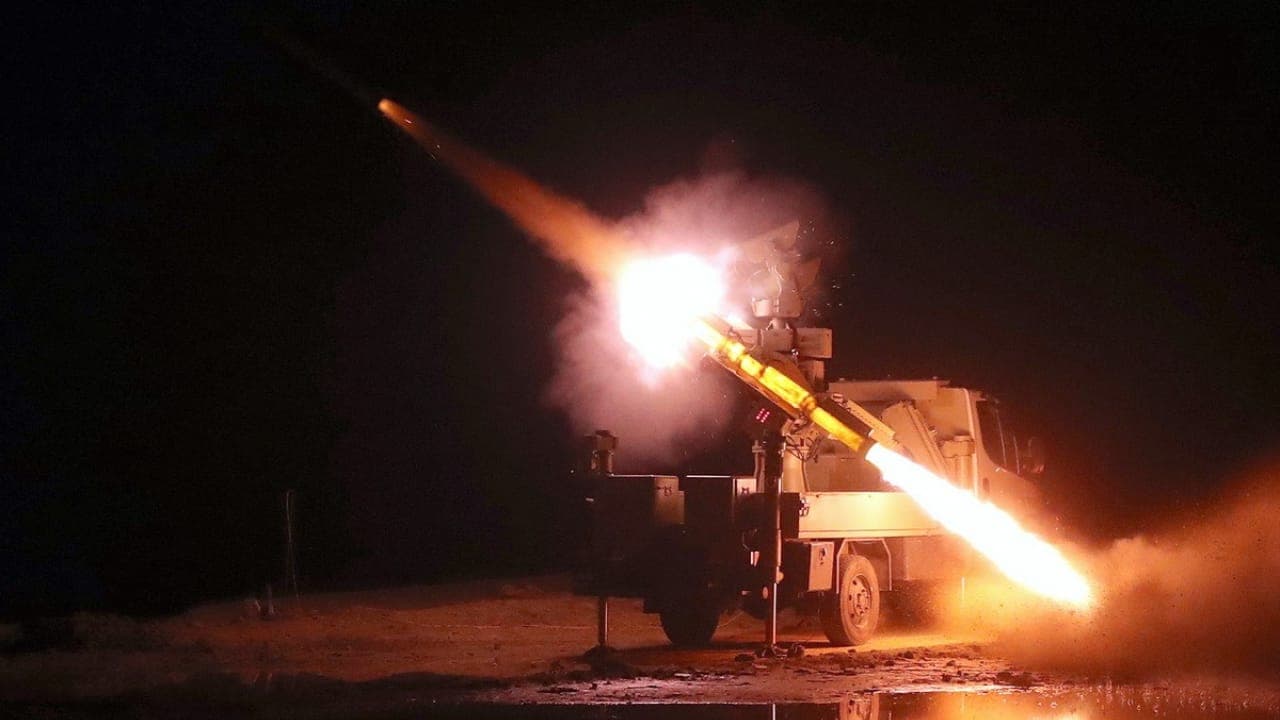
The United Nations has repeatedly warned that the disruption to global trade routes could lead to widespread food insecurity, with the World Food Programme specifically projecting that 45 million people could face acute hunger if the conflict persists.
Economic experts have warned that the conflict threatens to transform from a regional dispute into a full-blown global economic catastrophe, with oil prices already surging above $100 per barrel and Qatar's energy minister cautioning that Gulf producers could be forced to declare force majeure.
The use of increasingly sophisticated weaponry, including bunker-busting bombs and drone swarms, continues to narrow the space for diplomatic solutions, with each new escalation making de-escalation seem increasingly distant.
More on USA

FBI investigates Joe Kent, former National Counterterrorism Center director, for allegedly leaking classified information.
81 sources compared

Lt. Gov. Juliana Stratton Wins Illinois Democratic Senate Primary to Replace Durbin
171 sources compared

Senators Grill Mullin Over DHS Nomination as Intel Officials Testify on Top Threats
91 sources compared

César Chávez Faces Sexual Abuse Allegations, Including Rape of Dolores Huerta and Other Survivors
34 sources compared