Syria19 December, 20252 min read
U.S. Strikes Islamic State in Syria After Islamic State Kills American Service Members
Dec. 13 ambush near Palmyra killed two U.S. soldiers and a U.S. civilian interpreter U.S.-led Operation Hawkeye Strike hit over 70 Islamic State targets across central Syria

39 outlets told this the same way.
Outlets did split on France Suspends Police Stun Grenades at High School Protests After 15-Year-Old Loses Hand →
U.S. strikes across Syria
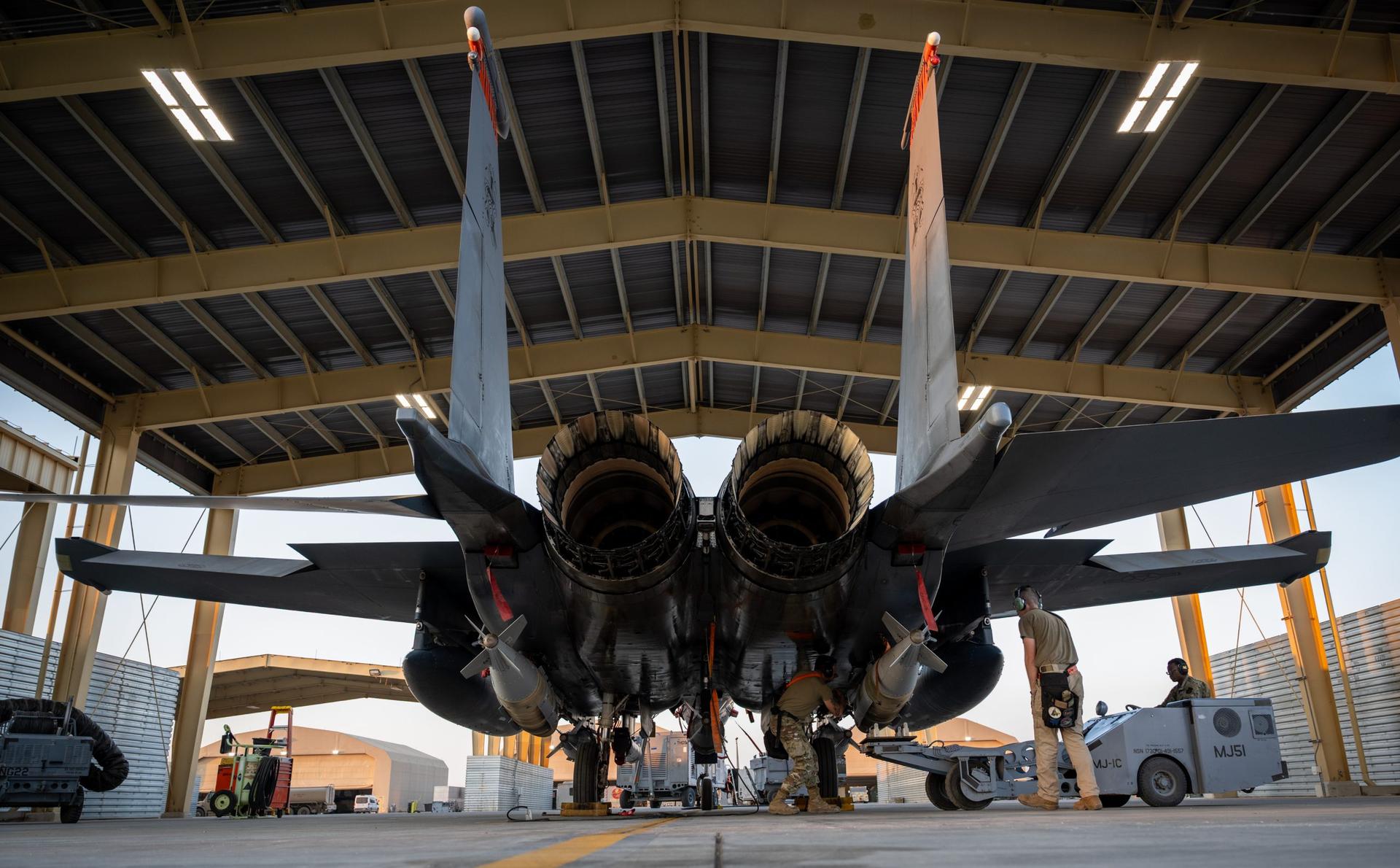
U.S. forces launched large retaliatory strikes across central and southern Syria after an attack on U.S. personnel. The U.S. military labeled the operation "Operation Hawkeye Strike," and CENTCOM said more than 70 Islamic State targets were hit. The campaign used a range of aircraft and weapons, including F-15s, A-10s, Jordanian F-16s, AH-64 Apaches and HIMARS rockets, and involved partner air forces such as Jordan’s.
“CENTCOM said the operation hit more than 70 targets using fighter jets, attack helicopters and artillery, with support from Royal Jordanian Air Force jets.”
CENTCOM and multiple outlets described the strikes as part of a major, coordinated counter-ISIS response. Media accounts and official statements emphasized both the precision of the strikes—citing over 100 precision munitions—and the breadth of targets across central Syria.

Palmyra attack overview
The strikes were ordered after a deadly Dec. 13 incident near Palmyra in which U.S. personnel were killed.
Several outlets report two U.S. soldiers and a U.S. civilian interpreter were killed.
The Associated Press's summary describes the shooting as having killed three U.S. service members, creating a difference in how the victims are categorized.
Syrian officials and monitors described the attacker as a recently recruited Syrian base security guard under investigation for possible Islamic State links.
They say he opened fire during a lunch meeting and was then killed.
Islamic State has not claimed the attack on U.S. personnel, though it has claimed other attacks on Syrian forces.
Air-ground operation summary
U.S. and partner forces described the operation as involving combined air and ground assets, and Jordan’s air force confirmed its participation.
“CENTCOM said the operation hit more than 70 targets using fighter jets, attack helicopters and artillery, with support from Royal Jordanian Air Force jets.”
U.S. Central Command said fighter jets, attack helicopters and artillery were used.
Reports vary but include accounts that more than 70 targets were struck with support from Royal Jordanian Air Force jets, and that assets ranged from A-10 Thunderbolt IIs and F-15s to AH-64 Apaches and HIMARS.
Contested casualty reports
Casualty figures remain contested and incompletely reported. CENTCOM and U.S. forces did not release official casualty numbers from the strikes. The U.K.-based Syrian Observatory for Human Rights reported at least five killed, including the leader and members of an IS cell.
Syrian state media and officials portrayed the incident and subsequent strikes as reinforcing counter-IS cooperation and said the strike underlined the need for international coordination. Other outlets emphasized that U.S. sources withheld casualty details, producing different narratives about the human cost.
Media framing of strikes
Coverage across outlets shows varied tones and implications. Some officials and publications framed the strikes as punitive revenge — Defense Secretary Pete Hegseth called it 'a declaration of vengeance' and President Trump issued warnings that 'YOU WILL BE HIT HARDER THAN YOU HAVE EVER BEEN HIT BEFORE'. Other reporting situates the action within a sustained, strategic counter-ISIS campaign involving about 1,000 U.S. troops on the ground and renewed diplomatic engagement with Syria's new authorities.
“Defense Secretary Pete Hegseth called the campaign ‘a declaration of vengeance.’”
Western alternative outlets and some U.S. outlets emphasize names of fallen soldiers and a 'massive attack' narrative, whereas mainstream international outlets stress coalition coordination, ongoing operations, and broader policy context. Whether the strikes represent escalation or continuation of an existing campaign is presented differently across sources.