USA07 November, 20252 min read
US Supreme Court Overturns Biden-Era Rules to Reinstate Trump’s Restrictive Passport Gender Policy
This article is an automated aggregation of coverage from news outlets. Our editorials offer in-depth analysis curated by the NewsCord team.
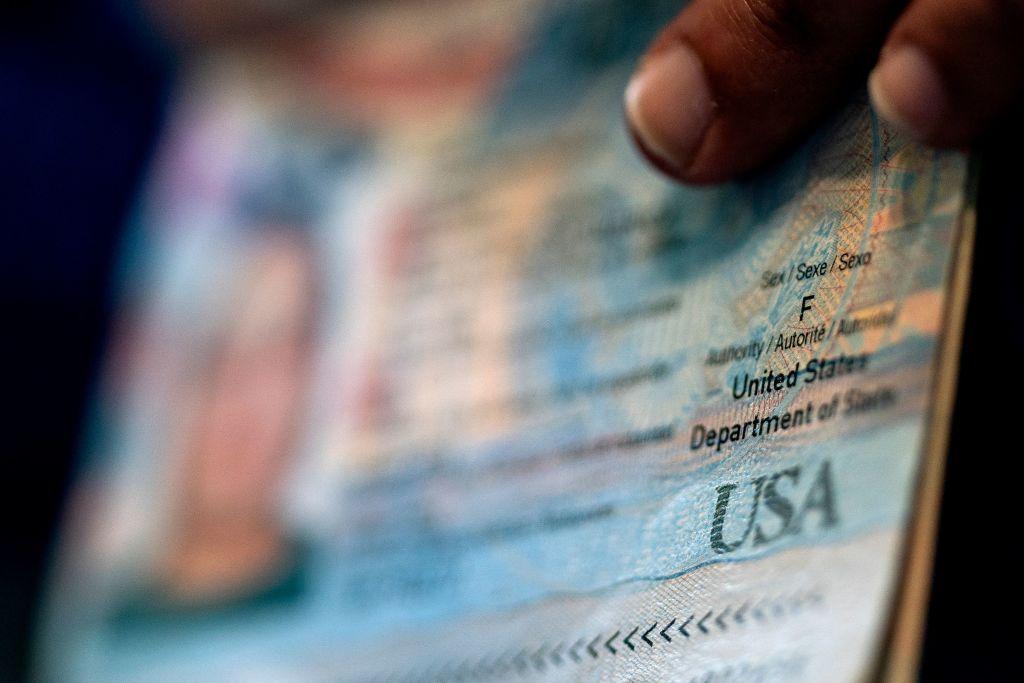
Supreme Court allowed enforcement of Trump-era passport policy requiring sex markers match biological sex Court paused lower-court injunction that mandated passports include 'X' gender marker option

8 outlets told this the same way.
Supreme Court Passport Policy Change
In a conservative-majority move, the U.S. Supreme Court allowed the Trump administration’s passport policy to take effect.
“The U.S. Supreme Court, in a conservative-majority ruling, allowed the Trump administration’s policy to block transgender and nonbinary individuals from choosing passport sex markers that reflect their gender identity, limiting them to the sex listed on their birth certificates.”
The policy requires that passports list sex based on birth certificates rather than gender identity, undoing Biden-era options like self-identification and the “X” marker.

The order reverses a lower-court ruling that had permitted male, female, or X markers based on gender identity and is described by multiple outlets as a temporary action while litigation continues.
Liberal justices dissented, warning that the policy heightens risks of violence and discrimination against transgender people.
Coverage also highlights that this decision marks a notable reversal of recent inclusive measures around identification documents.
Policy on Gender Markers
Sources attribute the policy’s origins to a Trump executive order recognizing only two sexes based on birth certificates and biological classification. This order reversed Biden-era changes that had allowed nonbinary options without medical documentation. The Court’s order paused a lower-court mandate that would have required the State to issue passports with M, F, or X markers based on gender identity.
CNN reports that the conservative majority’s rationale likened “sex at birth” to country of birth as a factual, non-discriminatory entry. One outlet specifies the policy is tied to a 2025 Trump executive order labeled 14168. Together, these details show both the legal mechanism and the competing administrative frameworks from the Trump and Biden eras.

Debate Over Passport Policy
Supporters of the policy emphasize presidential control over passport policy and assert that self-identification can undermine accurate identification. Critics warn of heightened harassment, safety risks, and discrimination for transgender and nonbinary travelers. Scripps News quotes arguments that passport policy falls under presidential foreign-affairs authority and critiques self-identification systems.
“Solicitor General D. John Sauer argued before the Court that the president has authority over passports as part of foreign affairs and criticized self-identification systems for hindering accurate identification.”
Straight Arrow News similarly highlights presidential authority and notes civil rights advocates’ criticism. PBS and Gayety report advocates’ warnings that forcing documents to reflect birth sex denies safe, accurate identification and increases travel risks. CNN frames the ruling as a setback for LGBTQ rights.
Supreme Court Ruling Disagreement
There is disagreement across sources about the legal posture of the case. Several sources describe a temporary stay pending further litigation. One outlet portrays a definitive Supreme Court ruling on equal protection.
PBS and CNN say the order is temporary and keeps the policy in place while cases proceed. Gayety similarly notes the lawsuit will continue.

In contrast, El-Balad reports that the Supreme Court "ultimately ruled" the policy does not violate equal protection. El-Balad characterizes this as a final determination, which conflicts with the temporary framing in other coverage.
Media Reactions to LGBTQ Ruling
Several outlets situate the ruling within a broader context of LGBTQ rights and federal authority. CNN depicts a continuing conservative trend and a setback for LGBTQ rights. Straight Arrow News frames the case as part of ongoing legal debates over federal recognition of gender identity and equal protection.
“The ruling is part of a broader pattern of the conservative Supreme Court upholding Trump-era policies affecting transgender rights and is seen as a setback for LGBTQ rights.”
El-Balad ties the dispute to a pattern of contentious decisions during the Trump administration, including a transgender military service ban, and reports ACLU condemnation. PBS emphasizes risks of violence and discrimination, underscoring the human impact described by dissenting justices and advocates.