USA04 November, 20253 min read
US Supreme Court Questions Trump’s Illegal Use of Emergency Powers to Impose Global Tariffs
Supreme Court questions Trump’s authority to impose tariffs under the 1977 IEEPA law. Lower courts ruled Trump exceeded presidential power by bypassing Congress’s taxing authority.

51 outlets told this the same way.
Outlets did split on Trump Interrupted by Protesters at San Antonio Rally for Ken Paxton →
Supreme Court Tariff Case
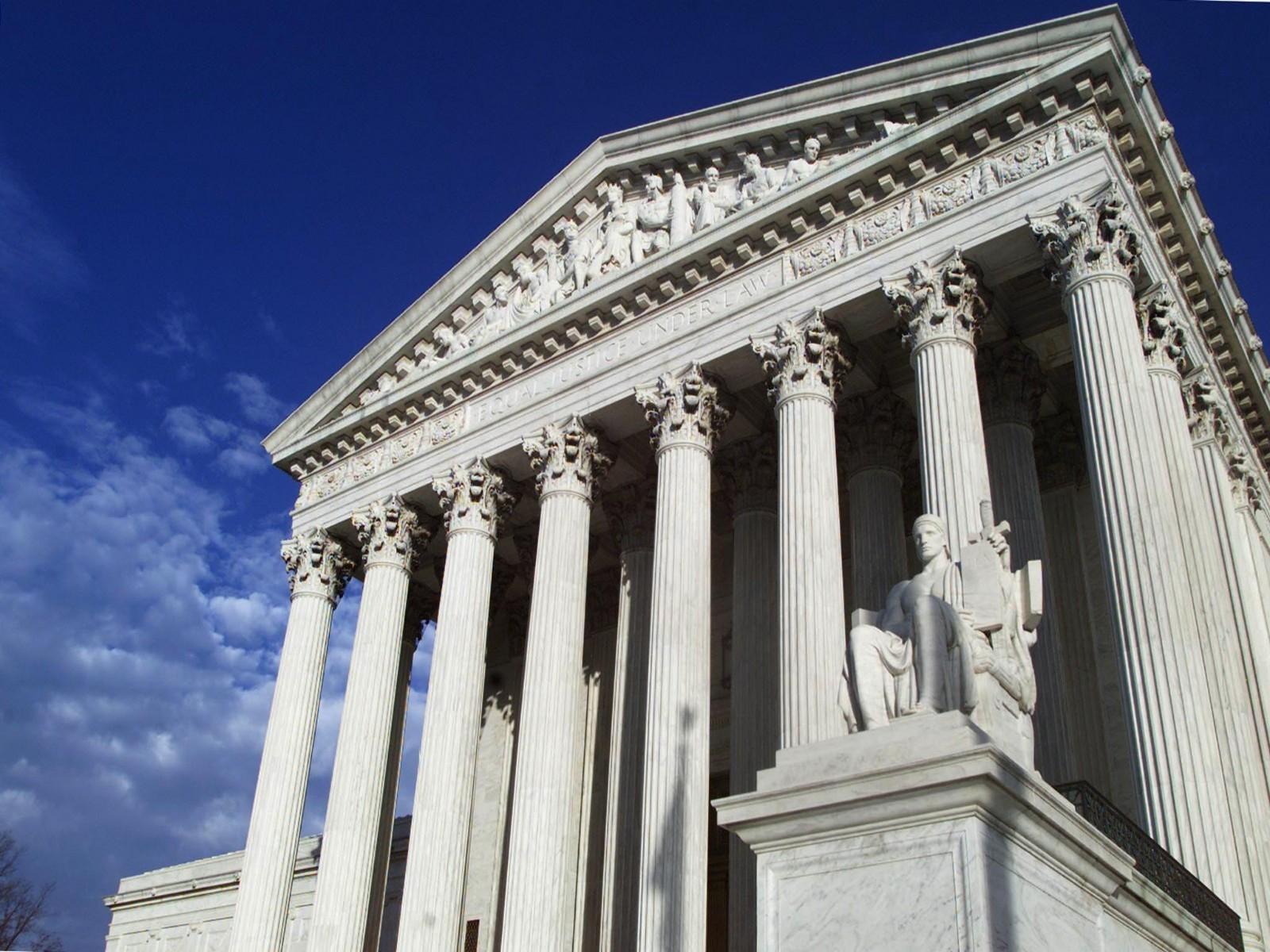
The U.S. Supreme Court heard extended arguments on whether former President Donald Trump unlawfully used the 1977 International Emergency Economic Powers Act (IEEPA) to impose sweeping, global tariffs.
“The U.S. Supreme Court extended oral arguments in a key case... Justices from both conservative and liberal wings expressed doubts about the legality of Trump’s tariffs.”
Justices across the ideological spectrum signaled skepticism during the hearing.

Multiple accounts say the justices questioned if a president can unilaterally levy tariffs—effectively taxes—without explicit congressional approval.
This raised separation-of-powers concerns under doctrines like the “major questions” doctrine.
Lower courts have largely ruled that Trump overstepped, noting IEEPA does not expressly authorize tariffs.
The case could force massive refunds to importers if the duties fall.
Alternatively, it could entrench expansive presidential tariff powers if upheld.
Either outcome would have major consequences for trade, businesses, and consumers.
Legal Debate on Tariff Authority
At argument, Solicitor General D. John Sauer defended the tariffs as a permissible way to regulate importation.
However, justices pressed that Congress historically sets tariffs and the International Emergency Economic Powers Act (IEEPA) never mentions them.

Skeptical questions came from conservatives and liberals alike.
Chief Justice Roberts and Justice Barrett probed whether history supports granting tariff power under IEEPA.
Several justices noted IEEPA’s purpose was to constrain—not expand—emergency powers.
Other reporting stresses that former President Trump is the first to use IEEPA in this way and that IEEPA has never been used to justify tariffs before.
Opponents invoked the major questions and nondelegation doctrines to limit presidential action.
Impact and Debate Over Tariffs
The financial and practical stakes of the tariffs are enormous. Business groups, states, and importers emphasize that the tariffs generated substantial revenue, reported as nearly $90 billion or about $89 billion. These tariffs could trigger refunds ranging from tens to hundreds of billions, with one estimate reaching up to $140 billion.
“The tariffs have generated significant revenue—estimated at $89 billion between February and September.”
PBS notes projections of $3 trillion in tariffs over a decade. ABC highlights that duties ranging from 10% to over 100% have severely impacted small businesses.
Government lawyers insist the tariffs are not intended to raise revenue. Opponents and some justices, however, treat the tariffs as taxes traditionally reserved for Congress.
Legal and Political Tariff Dispute
The dispute sits at the intersection of constitutional law and partisan politics. PBS and NBC4 Washington highlight the major questions and nondelegation doctrines involved. The Washington Post details Justice Sotomayor’s challenge to using taxing power influenced by personal preferences.
CBS News frames the tariffs within a broader pattern of Trump testing executive limits. Mother Jones describes an internal Republican struggle over tariffs between the Koch-aligned donor class and the MAGA faction. Outside the U.S., politico.eu reports on the EU’s contingency planning, including potential refunds and alternative U.S. legal avenues to maintain tariffs.

Legal Debate on Tariff Authority
Whatever the ruling, both sides are already considering their next steps. Several outlets note that even if IEEPA tariffs are struck down, narrower duties could persist under other laws such as Sections 232, 122, 301, or authorities cited by the government like the Tariff Act of 1930, though with more procedural hurdles. Reports differ on the judicial posture regarding the case.
“Even if the Supreme Court rules against this use, other statutes like Section 232 of the Trade Expansion Act could still allow tariffs... the court might exempt tariffs from this doctrine.”
RTE.ie highlights “serious doubts” among justices. The Straits Times points to instances of deference and Justice Kavanaugh’s openness.
CNN underscores cross-ideological skepticism and Chief Justice Roberts’ warning against unlimited tariffs. Straight Arrow News stresses the stakes for refunds and for future presidential power if the Court affirms broad tariff authority.