U.S. Supreme Court Strikes Down Louisiana Congressional Map in Louisiana v. Callais
Key Takeaways
- Supreme Court struck down Louisiana's congressional map as unconstitutional racial gerrymander.
- Court narrowed how Section 2 of the Voting Rights Act can be enforced.
- Conservative justices formed the majority, boosting Republican map redraws and minority voting power.
Louisiana map struck down
The U.S. Supreme Court on Wednesday issued a 6-3 ruling that struck down Louisiana’s congressional map in Louisiana v. Callais, describing the state’s 2024 election map as “an unconstitutional racial gerrymander.”
The decision limits how states can consider race when drawing maps to comply with Section 2 of the Voting Rights Act, even though the court technically kept Section 2 intact.

Politico reported that the case involved a challenge to “two majority-Black districts in Louisiana,” and said the ruling “throws into question exactly how states can utilize race in their mapmaking process.”
NBC News said the justices told states they can “almost never consider race when they draw maps to comply with Section 2,” and said the ruling means Louisiana “will need to redraw its map.”
NPR described the ruling as the latest in a series that has “all but gutted the landmark 1965 law,” and said the decision reinterprets longstanding protections under Section 2.
The Washington Post framed the ruling as potentially ushering in “Republican gains in the House,” with a scramble to redraw majority-minority districts that could “cost many Black Democrats their seats.”
El País said the ruling “opens the door for Republicans to rush to redraw electoral districts,” especially in the South, and described it as changing “the electoral rules of the United States.”
What the Court changed
Across the coverage, the central shift was the Supreme Court’s narrowed view of when race can be used in redistricting under Section 2 of the Voting Rights Act.
Politico said Section 2 had been interpreted to allow, and sometimes demand, “the use of race-conscious data in redistricting,” but that the new opinion “throws into question exactly how states can utilize race in their mapmaking process.”
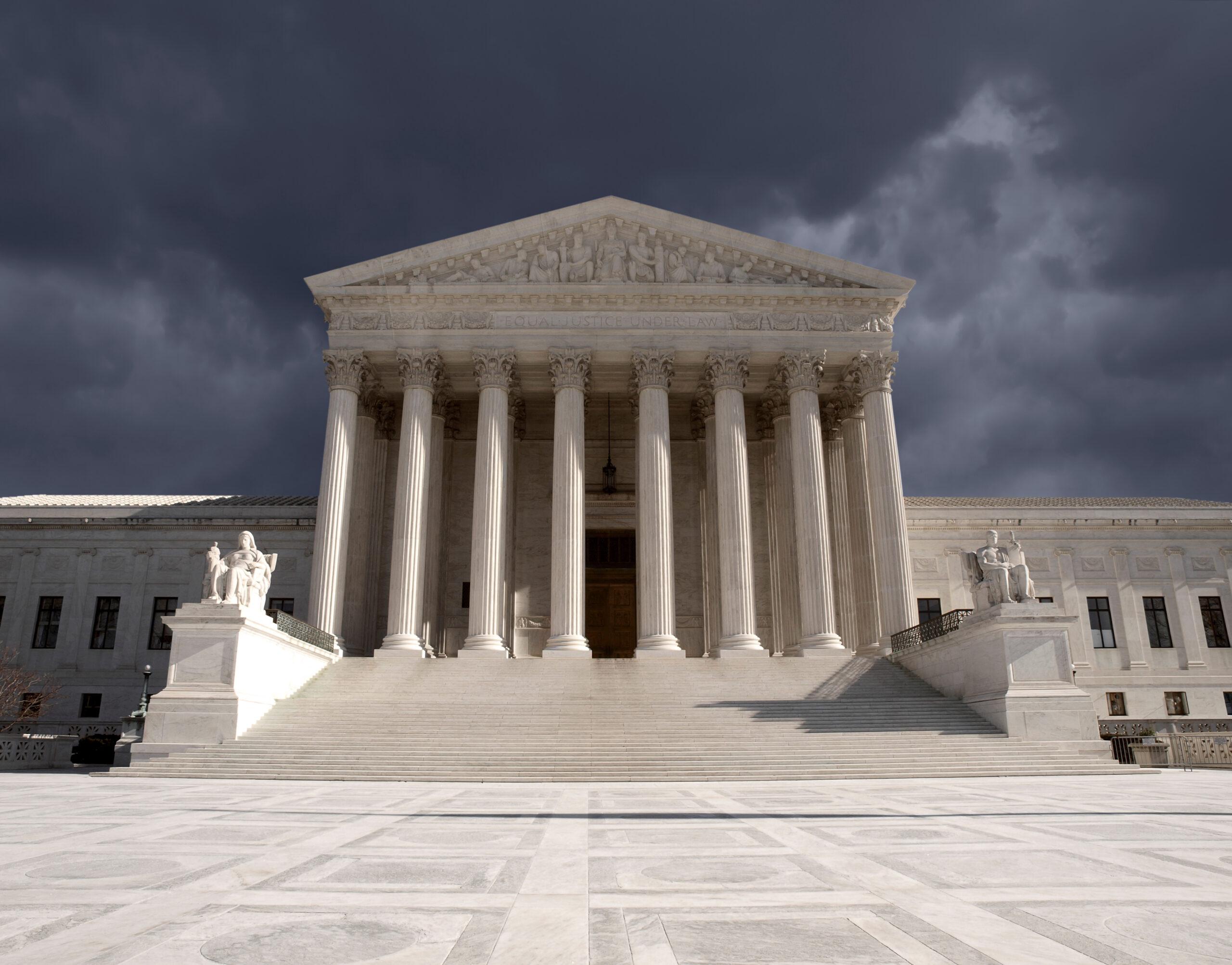
In its majority reasoning, Justice Samuel Alito wrote that “Because the Voting Rights Act did not require Louisiana to create an additional majority-minority district, no compelling interest justified the State’s use of race,” and that “That map is an unconstitutional gerrymander.”
NBC News reported that Alito said there may be “extreme situations” where race could be justified, but that “no such conditions existed in the Louisiana case.”
The Texas Tribune described the ruling as narrowing “how courts may interpret Section 2,” and said plaintiffs will have to provide “stronger proof” that a state or county “intentionally discriminated against voters of color.”
NPR explained that the focus of Section 2 must be “intentional racial discrimination,” and said plaintiffs suing to argue that political lines dilute minority voting power must now prove discriminatory intent rather than discriminatory effect.
The Conversation described the ruling as altering the landscape by making it “more difficult for plaintiffs to challenge redistricting plans under the act,” and said the court’s conservative majority argued Louisiana violated the law by drawing a second Black-majority district.
Dissent and praise collide
The ruling triggered sharply contrasting reactions, with Justice Elena Kagan’s dissent and other critics arguing the Court “eviscerate[s] the law,” while supporters celebrated the decision as vindicating their view of equal protection.
“The Supreme Court of the United States on Wednesday struck down a core provision of the 1965 Voting Rights Act, one of the great achievements of the civil rights era”
Politico said Kagan read portions of her dissent aloud from the bench and quoted her writing that under the Court’s new view “a State can, without legal consequence, systematically dilute minority citizens’ voting power,” adding that the majority’s approach “eviscerate[s] the law” and amounts to the “demolition of the Voting Rights Act.”
NBC News quoted Kagan saying the “consequences are likely to be far-reaching and grave” and that the ruling effectively “renders Section 2 all but a dead letter.”
NPR quoted Kagan’s dissent framing the decision as a betrayal of the statute Congress wrote, and said the ruling is the latest blow to protections that had protected collective voting power.
On the other side, NBC News reported that Louisiana’s Republican attorney general, Liz Murrill, called the decision “seismic,” and said it “clarified that only under very narrow circumstances—where there is proof of intentional discrimination—may race be used as a remedy under Section 2.”
NBC News also said President Donald Trump praised the ruling on Truth Social, calling it “a BIG WIN for Equal Protection under the Law” and thanking “Justice Samuel Alito.”
The Texas Tribune reported that Texas House Democratic Caucus chair Gene Wu, D-Houston, said the ruling gave state legislatures a “permission slip” to crack and pack Black and Latino voters into districts “where their voices won’t matter.”
How outlets framed the stakes
While the legal core was consistent, the outlets emphasized different stakes and timelines, producing distinct narratives about what the decision means next.
The Washington Post focused on electoral consequences, saying the decision “could touch off a scramble by Republicans to redraw majority-minority congressional districts, especially in the South,” and that it could “cost many Black Democrats their seats.”
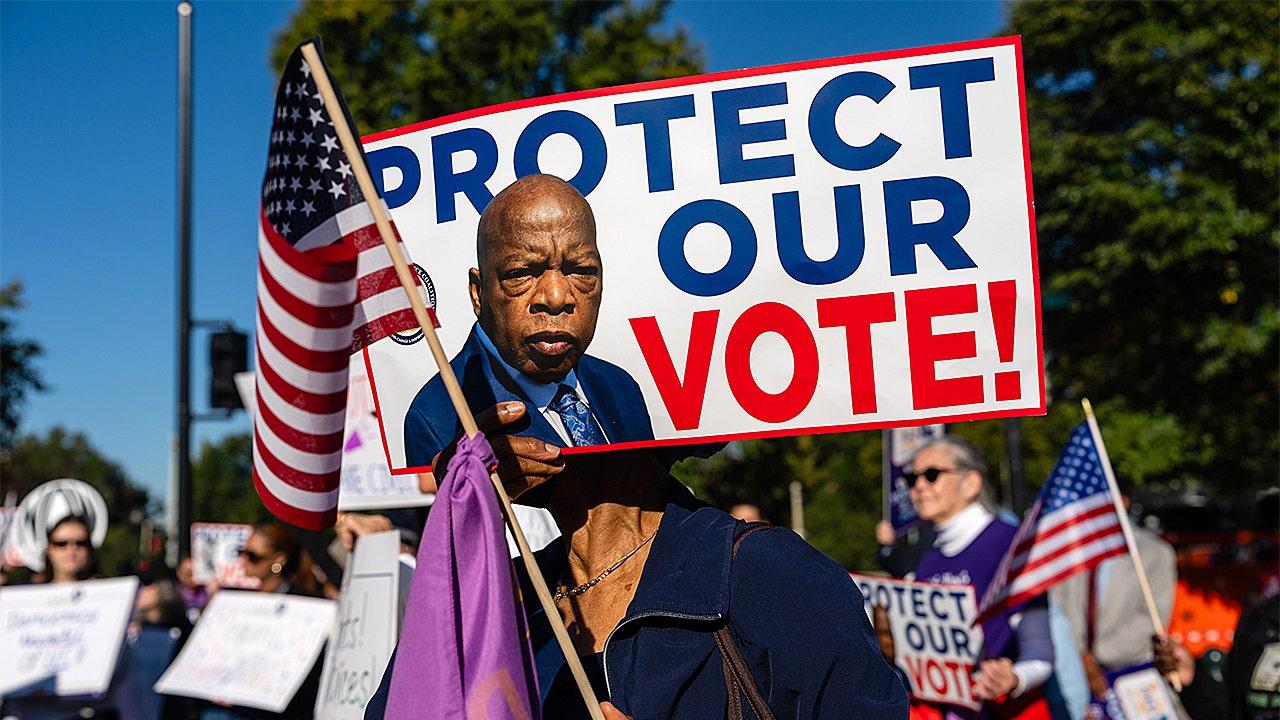
El País similarly emphasized political fallout, saying the ruling threatens consequences “also in the November elections,” and described the decision as “of enormous long-term significance” because it changes electoral rules that have prevailed for “the last six decades.”
NBC News highlighted the procedural immediacy, saying Louisiana “will need to redraw its map,” and noting that “there is little time this year with primaries underway ahead of November’s midterm congressional elections,” while specifying that Louisiana’s primary is “May 16.”
NPR added a practical constraint, saying it isn’t yet clear how the decision will affect November because “candidate filing deadlines and primaries have passed in many states,” and said lawmakers in Tennessee and Georgia “quickly called for new districts Wednesday.”
The Texas Tribune framed the ruling as opening the door for Texas, saying it “opens the door for Texas to redraw political maps,” while describing the state’s yearslong litigation over maps drawn in 2021.
The Conversation framed the stakes around future litigation and election design, saying the ruling “could make it easier for states to draw partisan gerrymanders” that reduce the power of minorities.
Next steps and broader impact
The decision’s immediate next step is that Louisiana must redraw its congressional map, and multiple outlets described how the ruling could ripple into other states’ mapmaking and litigation.
“Will African Americans lose their electoral clout at the next election”
NBC News said the decision means Louisiana “will need to redraw its map,” and said other states could try to do so as well, though timing is constrained by primaries.
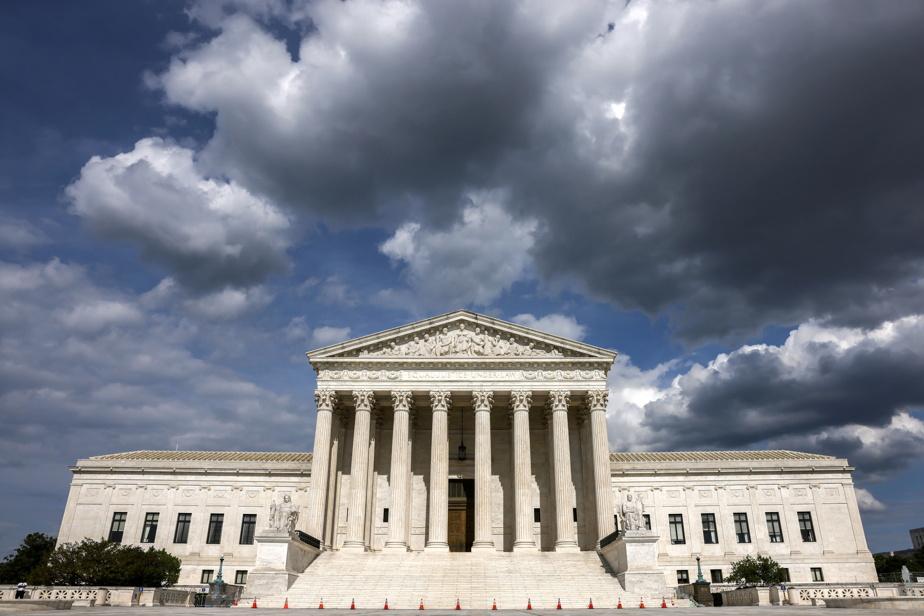
SCOTUSblog reported that Wednesday’s ruling “left in place a ruling by a federal court that barred the state from using the map, which had created a second majority-Black district, in future elections,” and said the case was the latest chapter in a dispute after Louisiana’s efforts to adopt a new congressional map following the 2020 census.
NPR said the state most directly affected is Louisiana, which is “now forced to redraw its congressional map,” and said it would likely mean “one fewer Democratic-leaning district.”
The Texas Tribune said the ruling will likely help Texas in its litigation over maps drawn in 2021 and that it “opens the door” for Texas to create “even more aggressively partisan maps going forward.”
NPR also reported that lawmakers in Florida approved a new congressional map aimed at creating “four more GOP-leaning districts,” and said Florida Gov. Ron DeSantis’s office cited the Louisiana case in making its case for a new map.
Politico described the legal background as a long-running battle in Louisiana over Black voters’ representation in Congress, noting that the Supreme Court first heard argument in March 2025 and then made the unusual decision to hear it again this term.
More on USA

U.S. Prepares Extended Blockade of Iran’s Ports and Strait of Hormuz, Pentagon Estimates $25 Billion
14 sources compared

Donald Trump Posts AI Image With Rifle, Threatens Iran With “No More Mr. Nice Guy”
13 sources compared
King Charles III And Queen Camilla Visit New York 9/11 Memorial Ahead Of 25th Anniversary
14 sources compared

King Charles III Urges U.S. Congress To Defend Checks On Executive Power
27 sources compared