
U.S. Supreme Court Upholds Birthright Citizenship, Strikes Down Trump Executive Order
Key Takeaways
- Supreme Court strikes down Trump's executive order ending birthright citizenship.
- Court preserves birthright citizenship for most people born in the United States.
- Ruling was 6-3, with Chief Justice Roberts authoring the majority.
Birthright citizenship upheld
The U.S. Supreme Court on Tuesday upheld birthright citizenship, keeping in place the principle that almost everyone born on U.S. soil is a citizen, and it struck down President Donald Trump’s executive order seeking to end birthright citizenship.
“The United States Supreme Court on Monday issued a series of major rulings related to President Donald Trump, including three that went against him and one that went in his favour”
Chief Justice John Roberts wrote for the court that “the Framers of the Fourteenth Amendment extended that promise to ‘every free-born person in this land.’ We keep that promise today.”

The decision was divided, with CBS News saying it was 6-3, and it rejected Trump’s effort to restrict birthright citizenship by finding the order violated the 14th Amendment.
CBS News reported that Trump responded by saying he is going to take the issue to Congress, adding, “No long and unwieldy constitutional amendment is necessary! Congress should start today to work on ending expensive and unfair to our country, birthright citizenship.”
Texas reactions and dissent
In Texas, reactions mounted after the Supreme Court struck down Trump’s executive order, with Denise Gilman, a University of Texas School of Law professor, calling it “a clear, concise, straightforward win, establishing in no uncertain terms that the rule of the land in the United States is that if you are born here, you are a United States citizen.”
Gilman also said it was “still worrisome that it wasn’t a unanimous decision,” and she warned that it “makes it seem a little bit less clear that everybody born in the United States is a citizen, when they are, and when that is the ruling of the Supreme Court.”
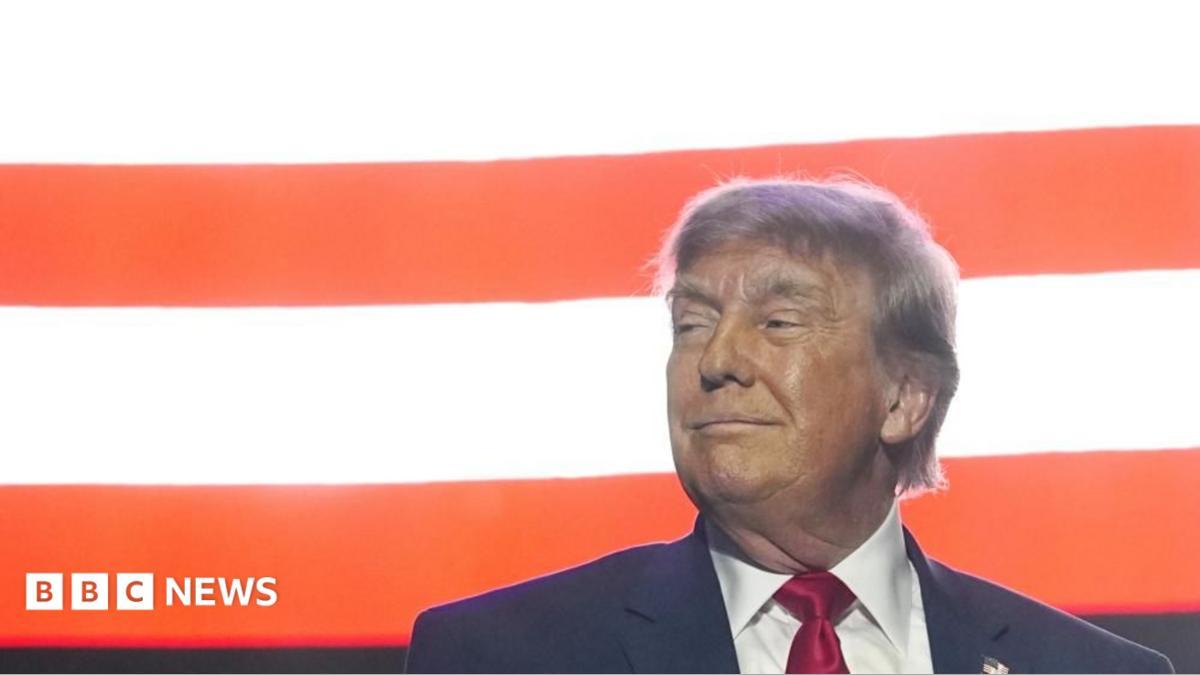
Texas Republicans criticized the ruling, with Gov. Greg Abbott calling it a “missed opportunity” and saying birthright citizenship has become “a powerful magnet for illegal immigration that will forever change our nation if left unaddressed.”
In a dissent, Justice Samuel Alito called the decision “a serious mistake,” warning that the ruling could have “grotesque results,” including an encouragement of “birth tourism,” and national security ramifications.
What comes next
The ruling leaves in place the understanding that anyone born in the United States is a citizen, even if that child’s parents are not, and it sets up a new push by Trump to change the policy through Congress rather than executive action.
CNN reported that the Justice Department sent a letter to all U.S. attorneys directing them to prioritize investigations and prosecution of “birth tourism schemes,” describing birth tourism as the practice of foreign nationals traveling to the United States primarily to give birth so their child automatically acquires U.S. citizenship.
The Hill reported that Alito warned the majority’s approach could affect “birth tourism,” and it also described how the court ruled 6-3 that Trump’s executive order signed on Day 1 of his second term violated the Citizenship Clause of the 14th Amendment.
Beyond citizenship, the Supreme Court also ruled that states can bar transgender athletes from participating in women’s sports, and CNN said Trump lauded that ruling as a “BIG WIN.”
More on USA

7th Circuit Upholds Illinois Protect Illinois Communities Act Ban on Semiautomatic Guns
12 sources compared
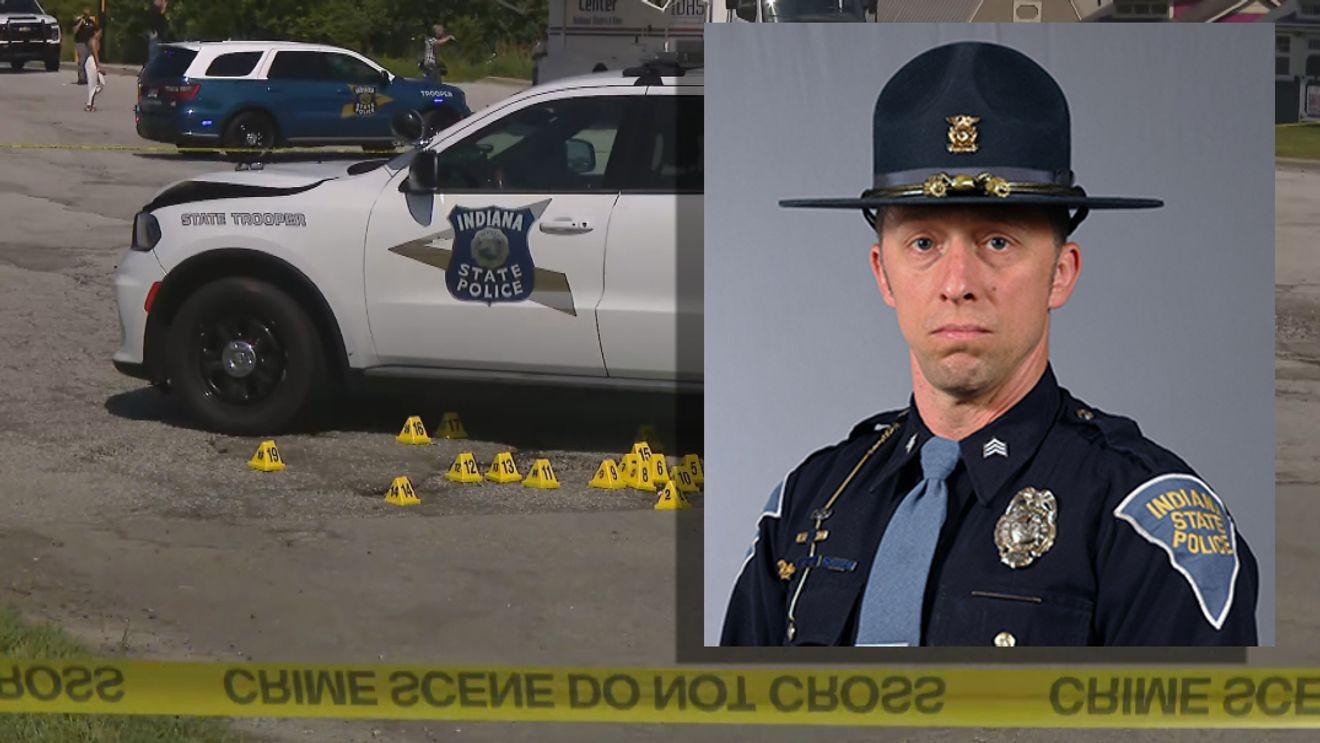
Indiana State Police Trooper Justin Heflin Shot During Pursuit; Suspect Kevin W. Meyers Found Dead
10 sources compared

Donald Trump Fires Election Assistance Commission Members, Leaving No Commissioners
12 sources compared

Eight Accused Of Planning Terror Attack At Casa Blanca UFC Freedom 250 Event
18 sources compared