Technology and Science04 June, 20263 min read
U.S. Supreme Court Upholds FCC Fines Against Verizon and AT&T Over Location Data
This article is an automated aggregation of coverage from news outlets. Our editorials offer in-depth analysis curated by the NewsCord team.
Supreme Court upholds FCC authority to fine AT&T and Verizon. 8-1 ruling; court says FCC fines process does not violate Seventh Amendment.

FCC fines upheld
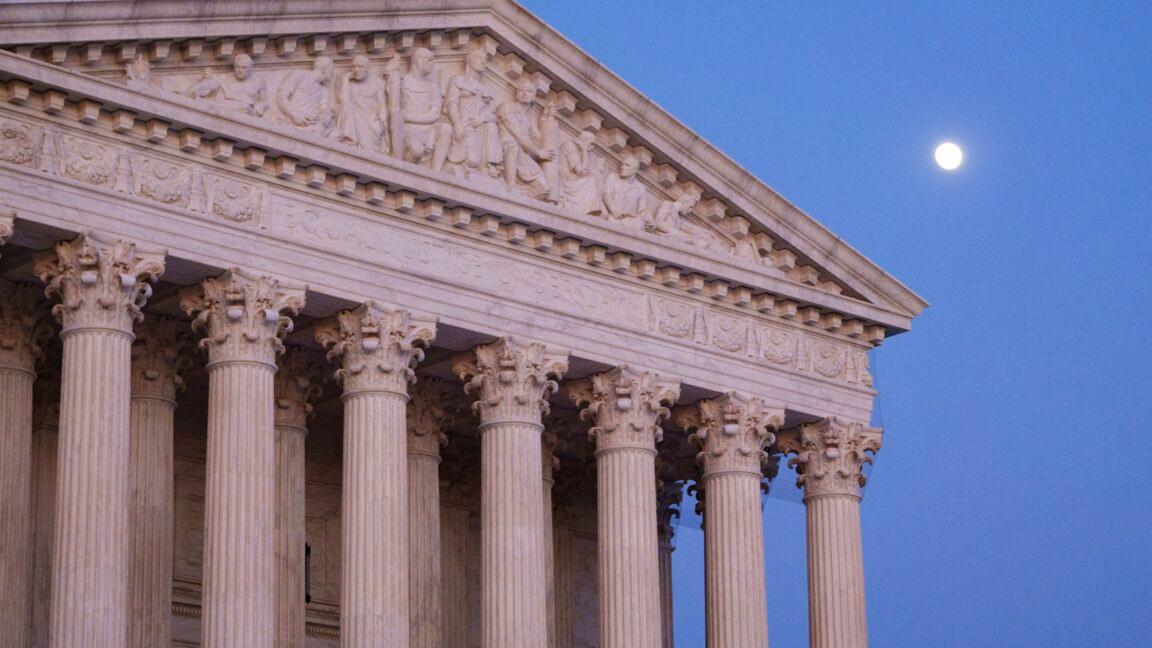
The U.S. Supreme Court ruled 8-1 that the Federal Communications Commission acted legally when it issued nearly $200 million in fines against telecommunications companies accused of sharing access to consumers’ location data without their consent.
“It thus does not offend the Constitution for the Commission to issue forfeiture orders without the involvement of a jury.”
The court held that the FCC’s forfeiture orders did not violate the companies’ Seventh Amendment right to a jury trial, with Chief Justice John Roberts writing that “It thus does not offend the Constitution for the Commission to issue forfeiture orders without the involvement of a jury.”
The decision upheld FCC penalties tied to real-time location data sold to third parties, with Verizon fined nearly $47 million and AT&T more than $57 million, and with the FCC also saying the companies did not take “reasonable measures” to protect the information.
The case was framed around the FCC’s allegation that the companies sold the data to aggregators who then peddled it to third-party data brokers, and it was backed by the Trump administration, with the high court agreeing apart from Justice Clarence Thomas.
In a statement at the time, an AT&T spokesperson said the FCC’s order “lacks both legal and factual merit,” while a Verizon spokesperson said the company is “deeply committed to protecting customer privacy.”
Thomas dissents, Carr responds
Justice Clarence Thomas was the lone dissenter, arguing that AT&T and Verizon had no way to ensure a court would respect their jury right after they paid, and he wrote that “Today, the Court punishes AT&T and Verizon for complying with a government order that they in good faith believed was obligatory.”
The Newsweek report also quoted FCC Chairman Brendan Carr welcoming the ruling, saying, “I welcome today's Supreme Court win for the FCC. Congress has charged the FCC with enforcing the Communications Act and agency rules, and we will continue to hold companies accountable.”
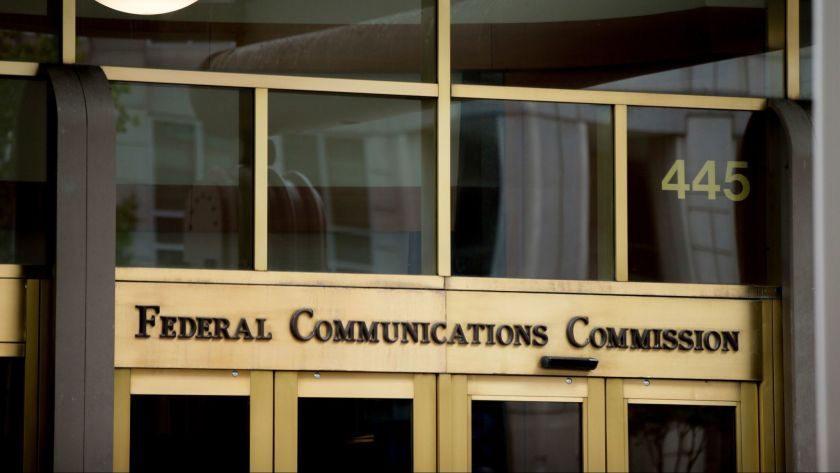
The dispute centered on whether the FCC’s process required a jury trial before the fines became binding, with the majority emphasizing that the orders did not create an obligation to pay and that the government would still have to prove its case to a jury.
The Record from Recorded Future News also described the FCC’s position that the carriers attempted to offload obligations to obtain customer consent onto downstream recipients, so that “no valid customer consent was obtained,” according to the agency’s press release at the time.
Ars Technica reported that the Supreme Court reversed the 5th Circuit decision that had overturned AT&T’s fine and rejected Verizon’s challenge from the 2nd Circuit, resolving the circuit split in the consolidated cases FCC v. AT&T and Verizon Communications v. FCC.
What changes next
The ruling preserves the FCC’s ability to use forfeiture orders as an enforcement mechanism against telecommunications companies, while still leaving a pathway for companies to seek jury determinations if they refuse to pay and the government pursues collection.
The Hill described the FCC’s position that forfeiture orders are not binding, stating that a company that doesn’t want to pay can force a collection lawsuit, bringing its concerns before a judge and jury.
The Record from Recorded Future News linked the FCC’s enforcement to Sen. Ron Wyden (D-OR), who released results of an investigation and said a government contractor established a “self-service website” law enforcement used to secure location data for any phone in the country without a court order.
Quiver Quantitative reported that the FCC imposed penalties of $80 million on T-Mobile and $12 million on Sprint, and it said the Supreme Court’s 8-1 ruling upheld the FCC’s process in the AT&T and Verizon customer data case.
Journal du Geek added that Apple’s iOS 26.3 includes an option titled 'Limit Exact Location' that “will not apply to apps, for which you can already, and for a long time, block geolocation, but to operators,” and it tied the feature to the FCC’s 2024 nearly $200 million fines over location data resale.