Gaza Genocide06 November, 20252 min read
U.S. Takes Control of Gaza Aid Delivery, Sidelines Israel in Humanitarian Access
The U.S. military coordinates Gaza aid delivery, sidelining Israel's direct control. The U.S. pushed the UN Security Council to lift sanctions on Syria’s interim leaders.
68 outlets told this the same way.
Outlets did split on Israel Marks Oct. 7 Anniversary With Strikes on Gaza, Netanyahu Faces Election After Nova Tribute →
US Role in Gaza Aid and Cease-fire
Haaretz reports that the U.S. military has taken control of Gaza aid delivery oversight from Israel, shifting decision-making to a new U.S.-run coordination center in Kiryat Gat that replaces Israel’s COGAT as the operational hub.
“The U.S. military has taken over oversight of aid delivery to the Gaza Strip from Israel, with a coordination center in southern Israel managing the operation instead of Israel's COGAT unit.”
According to the paper, Israel is now a secondary player while the U.S. makes the final calls, and the first weeks of the Kiryat Gat center were “chaotic and disorganized.”

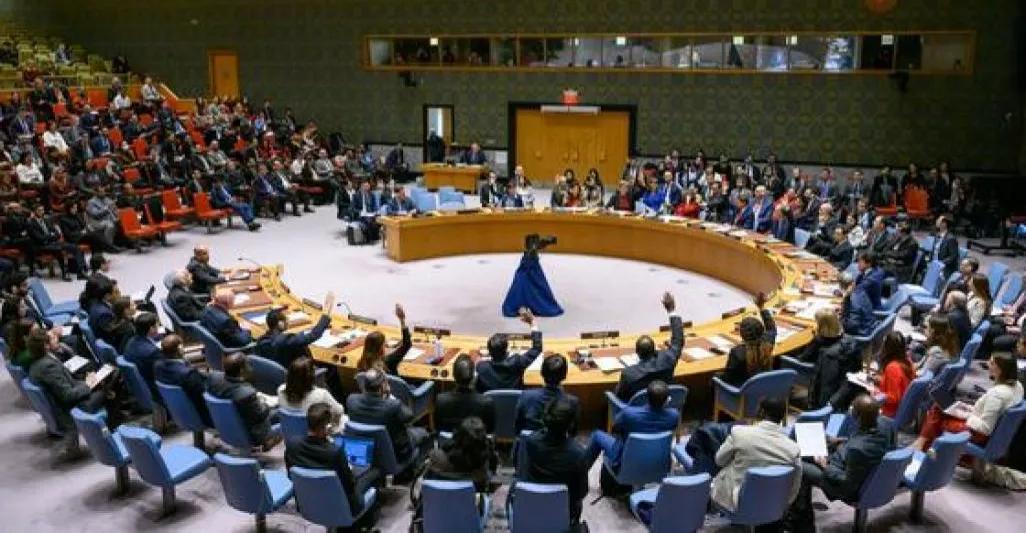
The same report says Washington is pressing the UN Security Council to codify President Donald Trump’s Gaza cease-fire plan into international law, with U.S. Ambassador Mike Waltz warning diplomats that failure to adopt it could trigger renewed fighting.
Separate reporting notes broader UN activity on Gaza, including a draft resolution seen by Indonesia proposing an international force for Gaza, underscoring a wider push to reshape access and security arrangements around aid delivery and cease-fire enforcement.
US Role in Humanitarian Access
The immediate implication is that humanitarian access decisions now run through a U.S.-led hub, not Israel’s COGAT, which Haaretz says leaves Israel in a “secondary role.” This centralization comes as Washington escalates UN diplomacy on the region—albeit much of it, in other outlets, concerns Syria rather than Gaza—illustrating a broader U.S. bid to control key levers of wartime relief and negotiations.
While Haaretz describes operational disorder inside the Kiryat Gat center, other sources in this corpus emphasize U.S.-drafted Security Council actions targeting Syria’s leadership and sanctions architecture. These sources show how mainstream and regional coverage is fixated on Syria policy shifts rather than the granular mechanics of Gaza aid oversight.

Diplomatic Efforts on Gaza Cease-Fire
Diplomatically, Haaretz reports that the U.S. is urging the Security Council to formalize Trump's Gaza cease-fire agreement into international law. The U.S. has warned that rejecting this agreement could lead to renewed conflict between Israel and Hamas. Another development mentioned is a draft UN resolution, seen by Indonesia, which proposes deploying an international force in Gaza.
“Indonesia received a draft UN resolution proposing an international force in Gaza.”
This proposal suggests having external guarantors responsible for aid access and security in the region. Together, these initiatives indicate that Washington and some UN members are attempting to establish external control mechanisms over Gaza's humanitarian and security matters. Meanwhile, Israel would be kept at a distance from direct operational decision-making.
Gaza Aid Coordination Challenges
Operationally, Haaretz is explicit that the Kiryat Gat center replaces Israel’s COGAT as the hub and leaves Israel subordinate to U.S. final say over Gaza aid entry. Haaretz characterizes the startup phase as “chaotic and disorganized,” suggesting that even as Washington centralizes authority to open humanitarian channels, execution has been rough.
Other sources in this corpus emphasize regional military and diplomatic developments, such as UNIFIL condemning Israeli strikes on Hezbollah and various UN votes on Syria. These sources focus less on the detailed oversight of Gaza aid delivery that Haaretz describes, which underscores how singular this account is within the available reporting set.
