Russia21 November, 20253 min read
U.S. Threatens to Cut Support Unless Ukraine Signs Peace Deal by Thanksgiving
U.S. conditions military and intelligence support on Ukraine signing a 28-point peace framework by Thanksgiving Reported 28-point plan would force Ukraine to cede eastern territories and limit its military

16 outlets told this the same way.
U.S. deadline for Ukraine
U.S. officials have told Kyiv it must sign a 28-point peace framework crafted under the Trump administration by Thanksgiving or risk having weapons and intelligence support cut off, a deadline the administration says is designed to force a diplomatic end to the war. The Telegraph reports the U.S. warning that it may cut off weapons and intelligence to Ukraine unless Kyiv signs Donald Trump's 28-point peace plan by next Thursday.
“The US has warned it may cut off weapons and intelligence to Ukraine unless Kyiv signs Donald Trump’s 28‑point peace plan by next Thursday, sources told Reuters — putting greater US pressure on Ukraine than earlier negotiations.”
NBC News says President Trump said Friday he wants Ukraine to accept a new peace deal by Thanksgiving. France 24 describes the draft as a US-backed peace proposal reportedly developed quietly that AFP obtained, and POLITICO details the 28-point proposal circulating inside Western capitals.

Leaked draft concessions
Reporting on the text of the leaked draft converges on several concrete concessions that critics say heavily favour Moscow. Those concessions include recognition of Crimea and parts of Luhansk and Donetsk as de facto Russian, freezing Kherson and Zaporizhzhia 'along the line of contact', a constitutional ban on NATO membership, and a cap on Ukraine’s military, cited as 600,000 personnel in some summaries.
POLITICO sets out those core terms and France 24’s summary lists similar territorial and military constraints. TIME highlights that the proposal would also rule out NATO troop deployments and proposes using roughly $100 billion in frozen Russian assets for reconstruction.
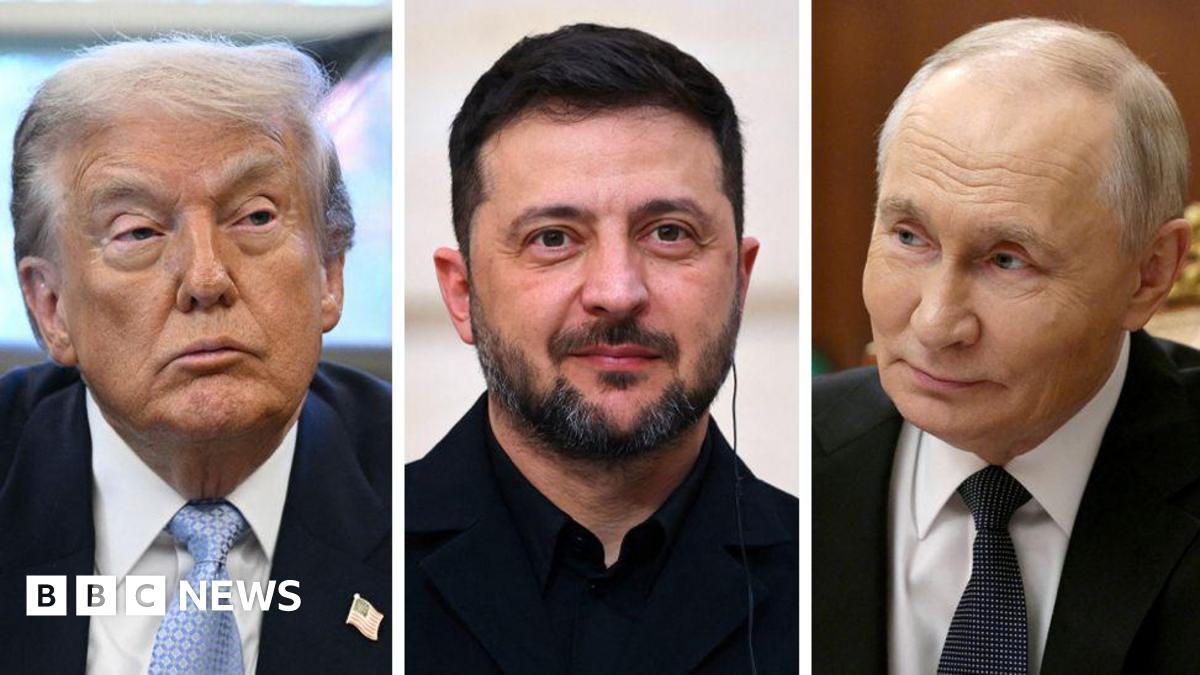
Ukraine's negotiating stance
Kyiv's public stance, as reflected in mainstream reporting, stresses firm red lines and a search for alternatives rather than immediate capitulation. The Telegraph reports President Volodymyr Zelensky said Ukraine will propose 'alternatives' and called the moment 'one of the most difficult.'
“Ukraine’s president Volodymyr Zelensky said Kyiv will propose 'alternatives' and insists any deal must deliver a 'real peace.' He warned the country faces 'one of the most difficult moments' and must choose between 'a loss of dignity, or the risk of losing a key partner.'”
CBC relays Ukraine's deputy UN representative Khrystyna Hayovyshyn laying out non-negotiable red lines: Ukraine will never recognise occupied Ukrainian territory as Russian; will not accept limits on its right to self-defence or on its armed forces; and will not tolerate infringements on its sovereignty or its right to choose alliances. France 24 also records Zelensky's insistence that any deal must respect Ukraine's independence and sovereignty.
Critiques of proposed Ukraine deal
Analysts and outlets have sharply criticized both operational and political elements of the draft. CNN warns the deal would 'weaken Ukraine and reward Moscow' and highlights three hidden dangers: a rushed 100-day election timetable, demilitarized zones that could be exploited by Russia, and vague 'snapback' clauses. POLITICO and France 24 report that critics say the plan mirrors many Russian demands and would be politically unacceptable to Kyiv.
TIME and CNN also point to the economic risks of using frozen Russian assets in territories under occupation. Taken together, these analyses portray the draft as offering short-term diplomatic cover at potentially high long-term cost to Ukrainian security and sovereignty.
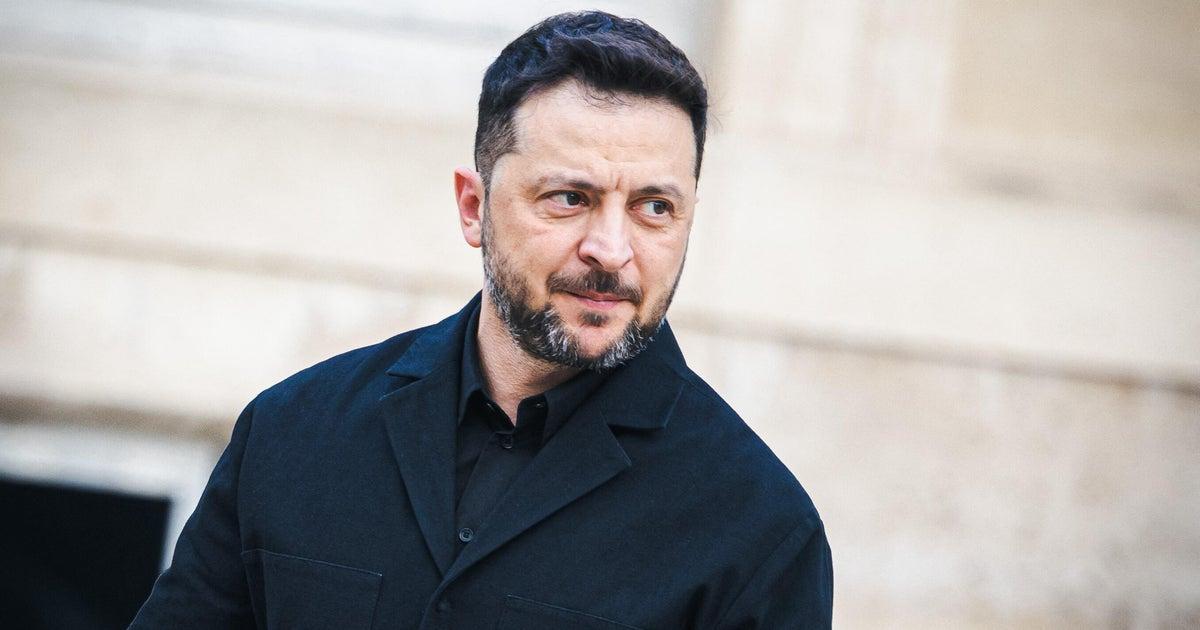
International reactions and coverage
Reactions beyond the immediate U.S.-Ukraine dynamic are mixed. European leaders have urged any settlement to include Ukraine and stressed EU support, POLITICO and TIME report. Moscow publicly urged Kyiv to negotiate "now" and said battlefield gains should persuade talks, according to The Telegraph.
“European and Ukrainian officials have sharply criticized the proposal as heavily favoring Moscow and politically unacceptable to Kyiv, which faces a 'very difficult choice' ahead of winter.”
Coverage across source types shows different priorities. Western mainstream outlets focus on geopolitics, battlefield consequences, and diplomatic fallout. Euractiv highlighted contemporaneous Greece-Ukraine military cooperation and EU solidarity in the same period.

Mediazona emphasized the ongoing strain on independent Russian-language media funding. These differences underscore how some outlets treat the proposal as the dominant story while others prioritize regional or domestic developments.