
U.S. Treasury Considers Letting Gulf Allies Tap Frozen Iranian Assets for War Damages
Key Takeaways
- US Treasury weighing redirecting frozen Iranian assets to Gulf states for war-damage reconstruction.
- Scott Bessent directed Treasury to use all authorities to access assets for compensation.
- Assets could include frozen funds and seized ships to fund Gulf repairs.
Assets for Gulf repairs
The U.S. Treasury Department is considering allowing Gulf allies to tap into frozen Iranian assets to pay for damages they sustained in the war, according to a source familiar with the plan told The Associated Press.
“The Treasury Department will use Iranian assets to help U”
Reuters reported that Treasury Secretary Scott Bessent told a team to gather cost estimates for damage caused by Iran, and the proposal could extend beyond frozen assets.

Euronews said the Iranian assets under consideration could include frozen funds and ships previously seized by the United States, while CBS News and Reuters described Bessent tasking a specialized team to draw up a comprehensive assessment of the cost of damage.
The dispute is tied to negotiations over a peace deal, with Mohsen Rezaei telling CNN that a deal hinged on the release of $24 billion in Iranian assets frozen by the United States.
Euronews reported that Tehran is demanding the immediate release of 12 billion dollars of frozen funds upon signing an interim agreement, with a further 12 billion dollars to be released at a later stage.
Deadlock and leverage
Mohsen Rezaei, an adviser to Iran's supreme leader, told CNN that without the release of frozen assets “the negotiations are at a deadlock,” as a June 6, 2026 directive from Treasury sought to redirect those assets for Gulf rebuilding and repairs.
The directive, disclosed by a source familiar with Bessent’s thinking and reported by Reuters, CBS News, and Arab News, said “Treasury will utilize all tools available to allow Iranian assets to be made available to our Gulf allies to support rebuilding and repairs for any future damage caused by Iran.”

The Times of India said the announcement came a day after Rezaei told CNN that a potential peace agreement depended on the release of $24 billion in Iranian assets frozen by the United States.
Ynetnews said the negotiations are entangled over Tehran’s demand to receive billions of dollars in oil revenues, while it also reported Iran’s insistence on receiving about $12 billion upfront and another $24 billion during the 60 days of negotiations.
In the same reporting, Ynetnews said the funds would come from $100 billion in Iranian assets frozen around the world because of U.S. sanctions.
What’s at stake next
The U.S. effort to redirect Iranian assets threatens to create a new irritant to a fragile truce between the United States and Iran, Euronews said, while it noted no official statement had yet confirmed Treasury intends to utilize Iranian assets.
Reuters and CBS News described Bessent’s approach as seeking comprehensive cost estimates from Gulf allies for Iran-caused damage since the conflict began on February 28, and the scope named Saudi Arabia, UAE, Kuwait, Bahrain, Qatar, and Oman.
The Jerusalem Post said the U.S. government will attempt to redirect Iranian assets to Gulf states for rebuilding and repairs of future damage caused by Iran, and it reported that Bessent directed a team to assess costs for damage already inflicted.
The Times of India reported that fighting flared again over the weekend despite ongoing diplomatic efforts to secure an interim agreement, and it tied the risk to stalled U.S.-Iran negotiations.
Meanwhile, Al Jazeera Net’s analysis in Arabic said Gulf states’ losses were estimated at between $170 billion and $200 billion in their vital and oil facilities after more than 5,000 rocket and drone strikes in the early weeks.
More on Iran

Iran Launches Missiles Toward Israel After Israeli Air Raid on Beirut Suburbs
22 sources compared
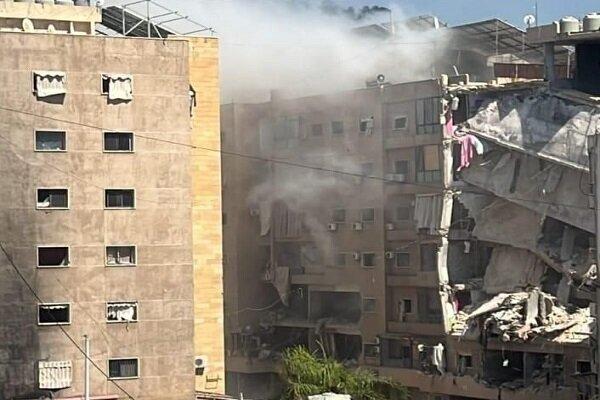
Iran Launches Missiles At Israel After Beirut Strike, Israel Intercepts Waves
17 sources compared

Iran Launches Missiles At Israel After Beirut Suburb Bombardment
27 sources compared
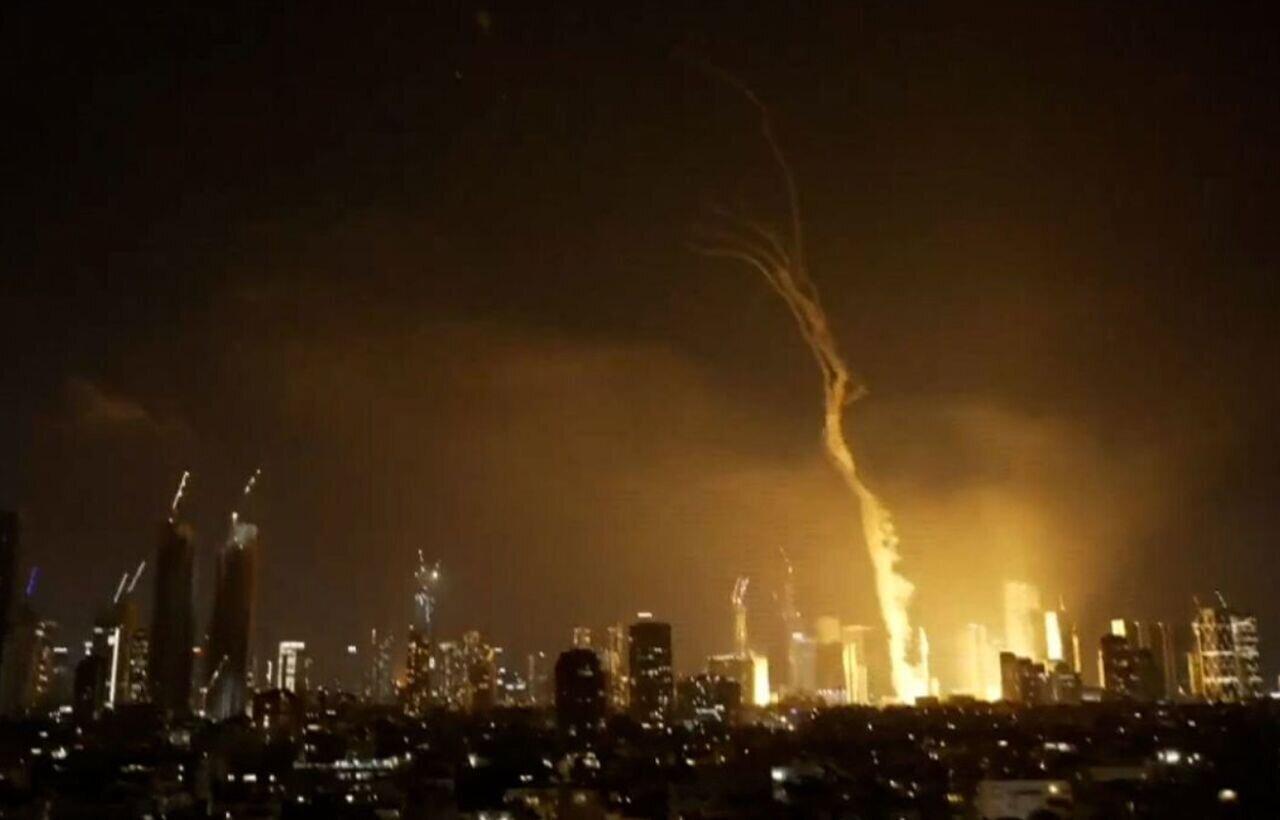
Iran Fires Missiles at Israel After Warnings Over Lebanon Assault
19 sources compared