
US urges Syria to send troops into Lebanon as Damascus hesitates
Key Takeaways
- US encouraged Syria to send forces into Lebanon.
- Damascus hesitant to proceed, fearing regional escalation and sectarian tensions.
- Report-based coverage notes U.S. pressure shaping Syria's potential Lebanon role.
US Pressure on Syria
The United States has reportedly pressured Syria to deploy troops into Lebanon as part of efforts to counter Hezbollah.
Damascus has shown significant hesitation despite historical animosity towards the group.
According to multiple sources including Syrian officials, Western diplomats, and intelligence sources, the US request came either shortly before or just after the February 28 war between Israel and Iran began.
Syrian President Ahmed al-Sharaa has maintained a cautious approach since the conflict started.
Despite Syria's Sunni Islamist-led government having previously considered cross-border operations against Hezbollah, no final decision has been made.
The proposed intervention would target eastern Lebanon, where Washington allegedly gave the 'green light' for Syrian military action to help Lebanon disarm Hezbollah when deemed appropriate.
Syrian Hesitation and Risks
Syria's leadership faces substantial risks and concerns regarding potential military intervention in Lebanon.
These include fears of Iranian missile attacks and potential unrest among minority Shi'ite communities.
Such unrest could destabilize Syria after recent sectarian violence.
A senior Syrian official indicated that Damascus and its Arab allies agreed Syria should remain outside the direct conflict.
Syria has limited actions to defensive measures only despite deploying forces at the border.
The Syrian military official stated there was no final decision on any operation inside Lebanon.
The option of intervening remained available if conflict erupts between the Lebanese state and Hezbollah.
Lebanon's Position
Lebanon has publicly denied receiving any 'hint or notice' from the US, West, Arab countries, or Syria regarding discussions about potential cross-border operations.
Lebanese President Joseph Aoun held bilateral and trilateral calls with Syrian President Ahmed al-Sharaa and French President.
During these calls, Sharaa reassured Lebanon that Syria respected its sovereignty and had no intervention plans.
Lebanon's presidency clarified that while coordination exists on border arrangements, there has never been discussion of Hezbollah with Damascus.
Prime Minister Nawaf Salam reported that Sharaa emphasized the military buildup along the border aimed solely at strengthening border control and maintaining internal Syrian security.
Continued coordination between the two countries was described as important.
Historical Context
The historical context of Syria-Lebanon relations adds complexity to the current situation.
Syria previously dominated Lebanon under the Assad regime from 1976 until 2005.
During Lebanon's 1975-90 civil war, Syria intervened at the invitation of President Suleiman Frangieh.
Syria subsequently controlled Lebanese politics until its withdrawal in 2005.
Any potential Syrian intervention in Lebanon today could exacerbate sectarian tensions.
Both countries are home to diverse religious communities including Sunnis, Christians, Druze, and Shi'ites.
Syrian Defense Ministry spokesperson Brigadier General Hassan Abdel Ghani characterized the border military buildup as defensive measures.
He emphasized high-level coordination with Lebanon's army and support for establishing Lebanese state authority.
Current Border Tensions
The current situation includes recent military incidents along the Syrian-Lebanese border that have heightened tensions.
Last week, Syria's army reported that Hezbollah artillery shells landed in a border village.
Hezbollah claimed it had repelled an Israeli attempt to infiltrate Lebanon from the same location.
Israeli officials stated they were unaware of any such operation.
In response to the incident, Syria's army announced it was 'considering appropriate options to take the necessary actions.'
Lebanon's military confirmed that channels of coordination with Syria remained open.
This coordination exists 'within the framework of addressing border issues and common security challenges.'
The stated aim is preventing tensions or incidents and ensuring stability in the border region.
More on Syria
US and Israel Kill Iran's Supreme Leader in Wide-Ranging Strikes
24 sources compared

Israel's Strikes on Lebanon Force Tens of Thousands Back Into Syria as Crossings Reopen
14 sources compared
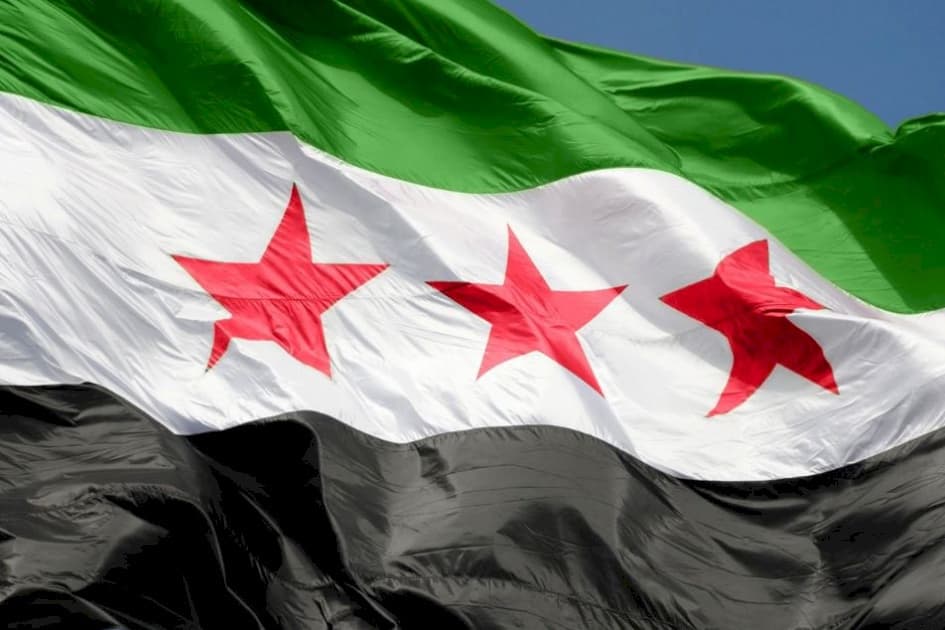
Syria Deploys Army Units Along Lebanon And Iraq Borders, Says Measure Is Defensive
16 sources compared
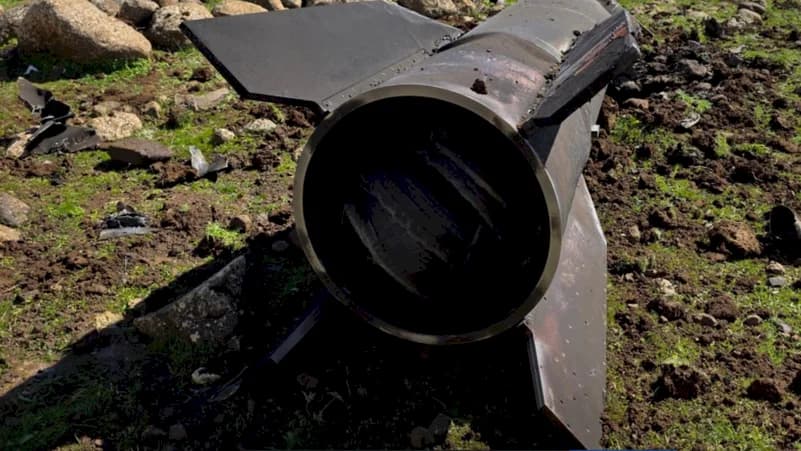
Israel and Iran Exchange Strikes; Missile Explosion Kills Four in Sweida
15 sources compared