Syria13 February, 20262 min read
US Withdraws From Strategic Al-Tanf Garrison in Southern Syria After More Than a Decade
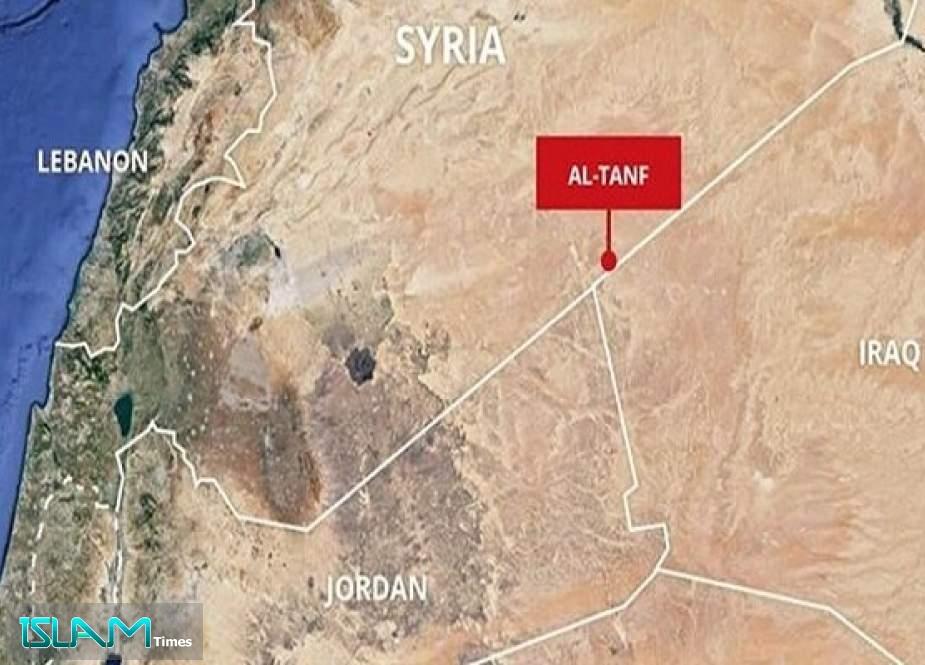
U.S. forces completed withdrawal from al‑Tanf on Feb. 11, 2026. Syrian army units occupied al‑Tanf after a U.S.-coordinated handover.
20 outlets told this the same way.
Outlets did split on France Suspends Police Stun Grenades at High School Protests After 15-Year-Old Loses Hand →
Al-Tanf withdrawal summary
U.S. forces completed a withdrawal from the al-Tanf garrison in southern Syria on Feb. 11–12, ending more than a decade of American presence at the remote Syria–Iraq–Jordan tri-border outpost.
“CENTCOM described the pullout as a ‘deliberate and conditions‑based transition’ to a smaller American footprint, part of a Pentagon plan announced in April 2025 to consolidate deployments after ISIS’s 2019 territorial defeat.”
U.S. Central Command described the move as a deliberate and conditions-based transition, framing the pullout as part of a planned consolidation of deployments tied to the counter-ISIS mission rather than a sudden exit.

Syrian and regional outlets report the site was handed to Syrian army units as Damascus moves to secure the position and surrounding desert.
Al-Tanf strategic role
Al‑Tanf was established in 2014 as a U.S. anti‑ISIS hub. It served as a key staging area and controlled a 55‑km 'deconfliction' or no‑fly/no‑drive zone that effectively partitioned territory in the eastern desert.
The site was used to monitor Iranian‑backed groups and ISIS activity across the corridor from the Jordanian border to the Euphrates. In some periods it was expanded and fitted with surveillance balloons and robust airpower support.

U.S. withdrawal and Syrian politics
Reporting places the withdrawal within a wider political shift. Several outlets link the move to Washington signaling support for Syria’s new leadership and to ongoing talks about integrating the Kurdish-led Syrian Democratic Forces (SDF) into Damascus.
“The move comes as Washington signals support for Syria’s new president, Ahmed Al‑Sharaa, and as Damascus advances talks to integrate the Kurdish‑led Syrian Democratic Forces (SDF)...”
Reporters say those developments have altered U.S. reliance on local partners. Some coverage ties the transfer to the reported December 2024 toppling of Bashar al-Assad and the installation of a new government, and notes recent advances by pro-government forces into eastern Syria.
Reasons for U.S. withdrawal
U.S. officials and some reporting stress continued counter‑ISIS commitments despite the pullout. CENTCOM and U.S. officials described the withdrawal as a transition in the CJTF‑OIR campaign and said American forces remain ready to respond to ISIS threats and will support partners to prevent the group's re‑emergence. Other sources attribute the base’s closure to a reassessment of its necessity after political changes in Syria and a wider regional recalibration.
Al-Tanf handover context
Immediate aftermath reporting shows Damascus and pro-government forces moving to secure the garrison and surrounding desert, with Syrian officials and interim authorities reporting deployments and plans to hand day-to-day control to border guards.
“Syrian authorities say the US‑led coalition has withdrawn from the strategic al‑Tanf base at the Syria–Iraq–Jordan border triangle and handed the site to Syrian army units, with Damascus describing the transfer as coordinated with US officials.”
Observers link the handover to a broader regional recalibration amid periodic escalations involving Iranian-backed groups, Israel and U.S. forces, a dynamic that several outlets say makes the al-Tanf handover consequential beyond local ground control.