Crime09 February, 20263 min read
Valeria Chomsky, Wife of Noam Chomsky, Apologizes for Ties to Convicted Sex Offender Jeffrey Epstein
This article is an automated aggregation of coverage from news outlets. Our editorials offer in-depth analysis curated by the NewsCord team.
Valeria Chomsky publicly apologized for her and her husband's past contacts with Jeffrey Epstein She said Epstein deceived them and called their association a grave or serious mistake

6 outlets told this the same way.
Apology over Epstein ties
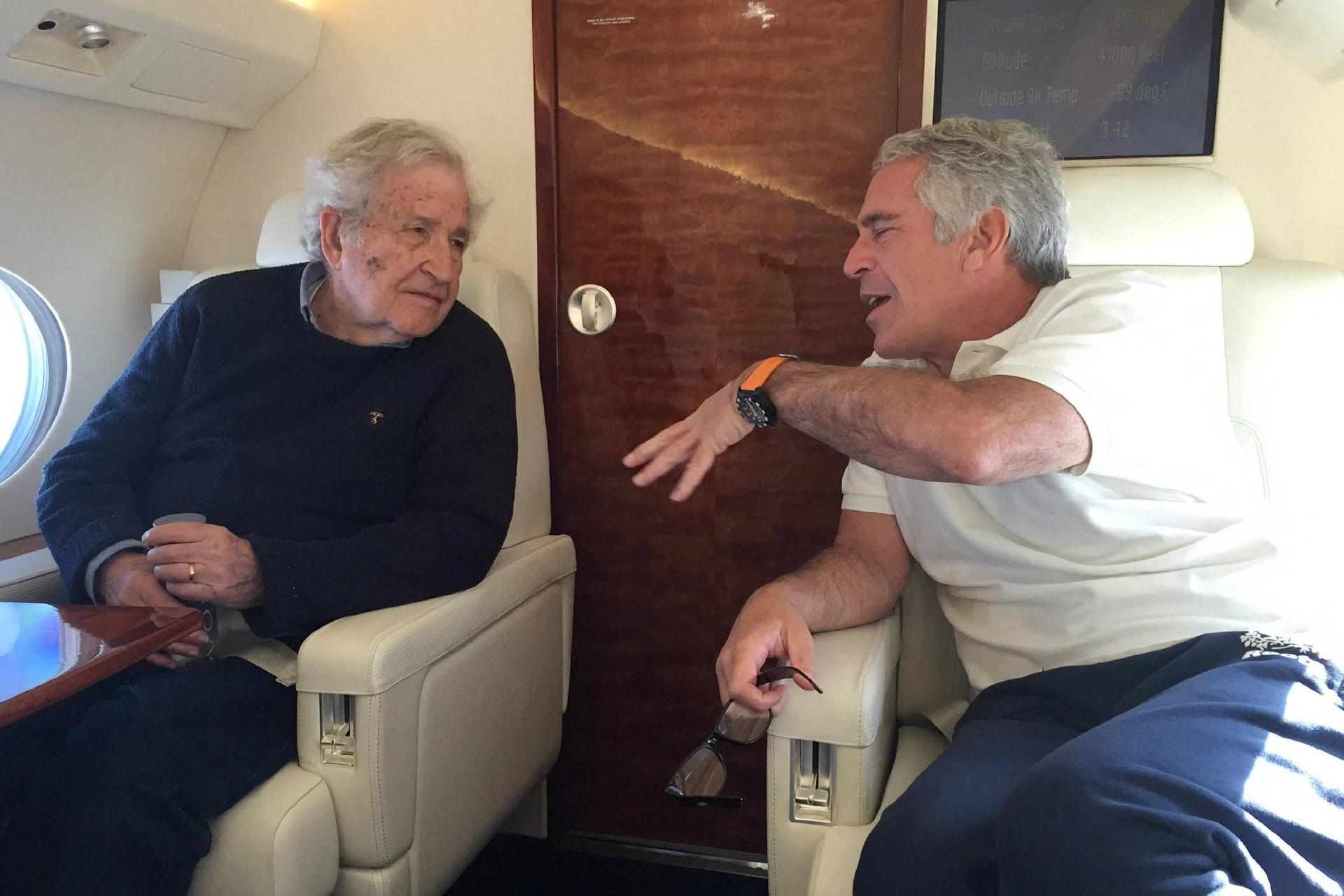
Valeria Chomsky issued a public apology acknowledging a lapse in judgment for her and her husband Noam Chomsky's past association with convicted sex offender Jeffrey Epstein. She said they had been misled by Epstein's presentation of himself as a philanthropist and were deeply disturbed to learn of his criminal conduct. She asked readers to view Noam Chomsky's 2019 guidance to Epstein about rehabilitating his public image in context.
“Valeria Chomsky, Noam Chomsky's second wife, apologized for their lapse in judgment in engaging with Jeffrey Epstein and said both she and Noam — who suffered a severe stroke in 2023 — were deeply disturbed to learn he had led a hidden life of criminal acts.”
She said Epstein exploited Chomsky's critiques of cancel culture to portray himself as unfairly persecuted and to manipulate correspondence and meetings. Valeria emphasized the couple's solidarity with Epstein's victims. She also stressed that Noam Chomsky has long supported gender equity.
Chomskys and Epstein contacts
All four sources describe limited, primarily professional interactions between the Chomskys and Epstein—academic discussions, dinners and meetings—while denying any visits to Epstein's private island or awareness of illegal activity there. Folha de S.Paulo specifies 'lunch at Epstein's ranch, dinners in New York and Paris,' while The Indian Express says the couple 'attended dinners and academic events with Epstein in several cities.'
Yeni Safak likewise notes the initial 2015 meeting when Epstein presented himself as a philanthropist. Across outlets Valeria stresses these were professional encounters, not participation in or knowledge of illicit conduct.
Chomsky and Epstein payments
All sources report a roughly $270,000 transfer that Valeria says consisted of Chomsky's own funds which Epstein helped recover, and a $20,000 check connected to a proposed linguistic prize or project. The Indian Express and Folha explicitly note that Epstein never had access to the Chomskys' accounts, and Yeni Safak similarly frames these payments as administrative assistance rather than donations. Valeria and the outlets present these as limited, professional financial interactions rather than gifts or evidence of deeper entanglement.
“Valeria addressed reported financial ties, saying Epstein sent $20,000 linked to a linguistic challenge and helped recover $270,000 in retirement funds but never had access to their accounts.”
Chomsky and Epstein coverage
Multiple outlets note official documentation and broader context. The Indian Express and Folha cite US Department of Justice disclosures and released email exchanges showing that Chomsky corresponded with Epstein, including messages after Epstein’s 2008 guilty plea and in 2019. Folha also reports that Epstein acted as a conduit to figures such as Steve Bannon and that there are claims of contact with former Brazilian president Lula while he was imprisoned.
Yeni Safak and the Daily Express emphasize that the Chomskys say they only learned the full extent of Epstein’s crimes later. They add that Noam Chomsky’s severe 2023 stroke has left Valeria as the public voice addressing the matter.

Media coverage of Chomsky
Across these outlets the tone and emphasis vary. The Western tabloid Daily Express US foregrounds disturbance and asks readers to see Chomsky's remarks in context. The Asian outlet The Indian Express emphasizes DOJ disclosures, timing of messages, and notes that some of Chomsky's remarks described the allegations as 'hysteria'.
“Valeria Chomsky, Noam Chomsky's second wife, apologized for their lapse in judgment in engaging with Jeffrey Epstein and said both she and Noam — who suffered a severe stroke in 2023 — were deeply disturbed to learn he had led a hidden life of criminal acts.”
Yeni Safak highlights a 2015 meeting and presents the financial transactions as administrative rather than donations. Folha de S.Paulo combines reporting on an apology with documentary details and additional political links such as Epstein's contacts with Steve Bannon. Together the sources provide a consistent basic account—an apology, limited professional ties, denials of island visits, and specified financial interactions—while differing in what they highlight and how they frame the story.