South America28 October, 20253 min read
Venezuela Expels Trinidad Prime Minister and Cuts Gas Over US Military Conspiracy
Venezuela declared Trinidad and Tobago’s Prime Minister persona non grata over US military support. Venezuela suspended all energy and natural gas agreements with Trinidad and Tobago.

15 outlets told this the same way.
Outlets did split on Alexandre de Moraes Orders Eduardo Bolsonaro Arrest, Cancels Passport, Enforces Four-Year Sentence →
Venezuela-Trinidad Diplomatic Dispute
Venezuela escalated a diplomatic clash with Trinidad and Tobago by declaring Prime Minister Kamla Persad-Bissessar persona non grata and moving to suspend energy ties. Venezuela framed Port of Spain’s cooperation with recent US military operations as a threat to its sovereignty. The Venezuelan National Assembly unanimously declared the Trinidadian leader persona non grata and accused her of participating in a criminal conspiracy with the US military.
“The Venezuelan National Assembly unanimously declared Trinidad and Tobago Prime Minister Kamla Persad-Bissessar ‘persona non grata,’ accusing her of participating in a ‘criminal conspiracy’ with the U.S. military to threaten Venezuela.”
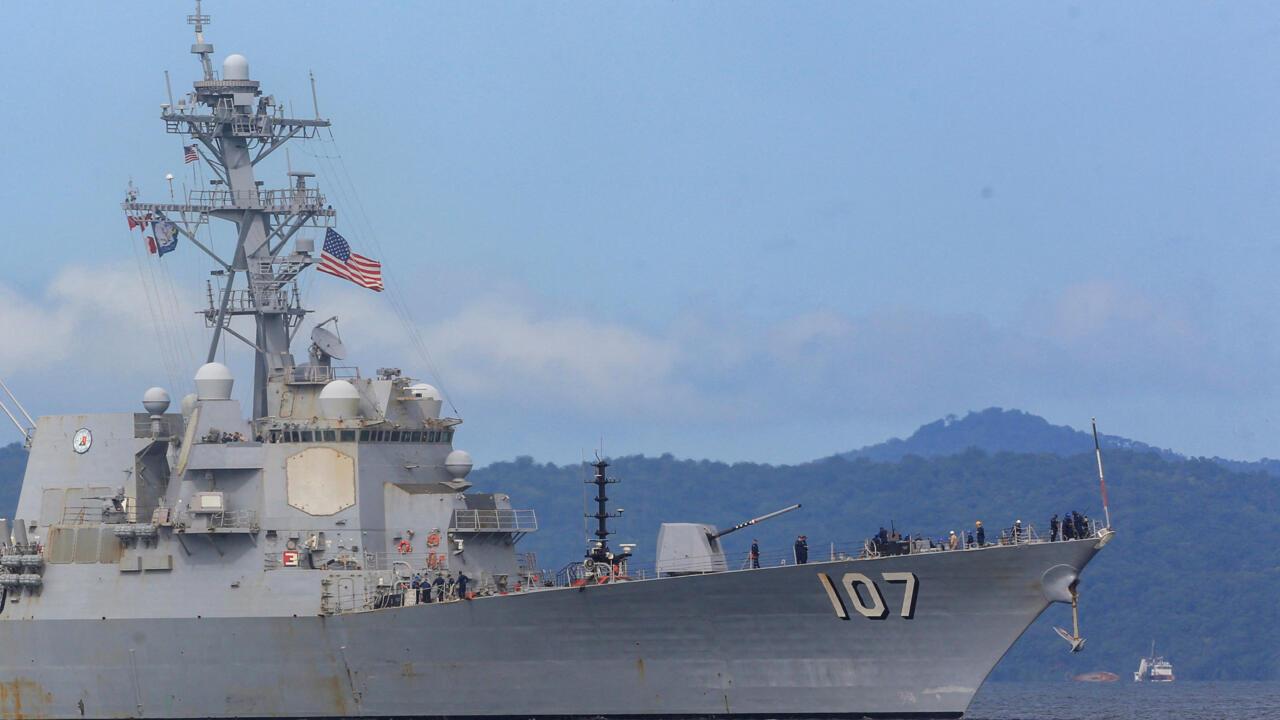
The Assembly also called for the suspension and denunciation of all energy agreements between the two countries. President Nicolás Maduro suspended an energy agreement with Trinidad and Tobago after the country hosted a US warship for joint drills. Venezuelan Vice President Delcy Rodríguez condemned the situation as a hostile provocation.
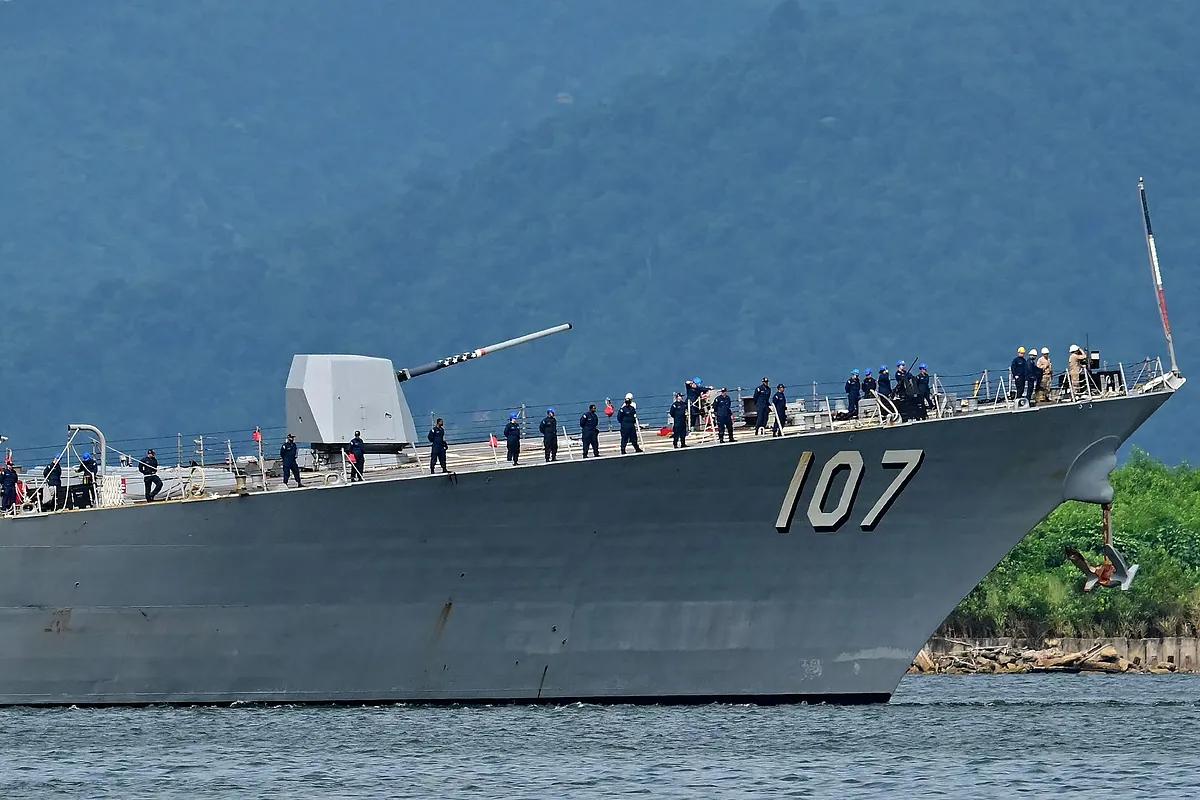
Trinidad and Tobago countered that such military exercises are routine. West Asian media coverage highlights Caracas’s legal critique of the US campaign. Al Jazeera noted Venezuela’s condemnation of the strikes as illegal and immoral amid reports of multiple deaths from the operations.
US Strikes on Drug-Running Boats
At the heart of the dispute are US naval and air strikes on alleged drug-running boats across Caribbean and Pacific corridors, which Caracas denounces as unlawful. Al Jazeera reports at least 13 US strikes against 14 maritime vessels. TRT World cites approximately 57 deaths tied to at least 13 strikes on 14 vessels.
The Virgin Islands Consortium spotlights a specific episode of multiple airstrikes on four suspected drug-running boats in the Eastern Pacific, killing 14 people with one survivor. This campaign has raised legal and ethical concerns over a lack of due process.

Curadas links the operations to a ship stationed in Port of Spain as part of a fleet whose bombing of 14 suspected drug boats caused at least 57 deaths. In this context, Venezuelan officials label the strikes illegal and immoral.
Venezuela Energy Disputes
Caracas linked its energy retaliation to perceived military encirclement and to hydrocarbon boundary anxieties. France 24 says Maduro suspended an energy agreement with Trinidad and Tobago after Port of Spain hosted a US warship. Curadas specifies the 2015 Dragon gas project near the maritime border—120 billion cubic meters of gas—was halted with the Venezuelan parliament unanimously backing him.
“In retaliation for Trinidad hosting a US warship, Maduro suspended an energy agreement with Trinidad and Tobago, accusing it of facilitating US military operations...”
In parallel, TradingView and Devdiscourse report that Vice President and Oil Minister Delcy Rodríguez requested details on ExxonMobil’s upcoming ultra-deepwater field tests in a nearby Trinidadian block. She inquired whether finds might extend into Venezuelan territory, even as Trinidad says confidentiality agreements limit the information it can share. Together these moves paint a picture of geopolitical pushback and resource protectionism intertwined.
Trinidad and Tobago's stance on US cooperation
Trinidad and Tobago insists its cooperation targets narcotrafficking, not Venezuela. France 24 notes that Persad‑Bissessar supports strong measures against drug trafficking. AP Noticias Perú reports she called Venezuela’s censure absurd and pledged to continue military cooperation with the U.S. as long as sovereignty is respected.
The South China Morning Post records Port of Spain’s position that such exercises are routine. The Virgin Islands Consortium adds that Trinidad remains one of the few regional supporters of the US campaign. It also reports a domestic hardening, planning the mass deportation of hundreds of undocumented Venezuelan migrants, reversing a previous stance as the rift widens.
Regional Security and Legal Disputes
Caracas accuses Port of Spain of supporting a US "warmongering agenda." Latin American and West Asian sources emphasize sovereignty and legality in the dispute. Mainstream media highlight competing security claims in the region.
“Venezuelan authorities condemned Trinidad for hosting a ship participating in joint exercises with the US, calling it a provocation.”
MercoPress reports lawmakers condemning "joint military exercises" near Venezuelan waters and labeling Persad‑Bissessar as a "threat to regional peace and sovereignty." Al Jazeera notes that legal experts argue the US strikes "may violate international law." The Virgin Islands Consortium raises concerns about a "lack of due process" but also shares Washington's justification of "necessary national defense measures."

Devdiscourse broadens the perspective to resource politics, pointing to strained relations under Trinidad's new leadership. Exxon's plans have triggered Venezuelan demands for transparency, which Port of Spain says are limited by "confidentiality agreements." These developments illustrate contested facts and motives in a rapidly evolving crisis.