Full story
Death toll and aftershocks
Venezuela’s twin earthquakes that struck on 24 June killed at least 1,719 people and injured 5,034 others in the northern state of La Guaira, according to authorities cited by Al Jazeera.
Rescuers said the first 72 hours after a quake are critical for finding people alive and freeing them from rubble, but the deadline passed on Saturday as searches continued in shattered neighbourhoods.

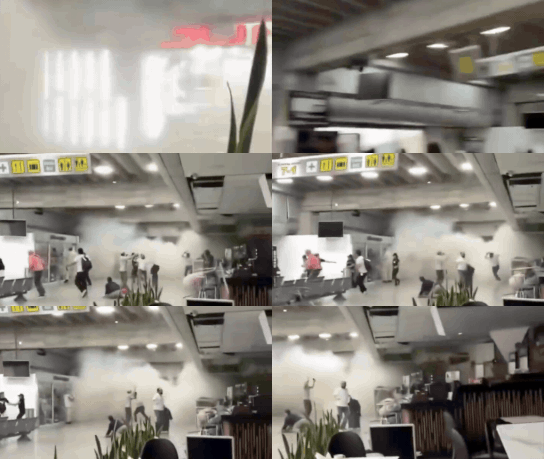
A magnitude 4.6 aftershock struck near Caraballeda on Monday, and shaking sent Caracas residents screaming into the streets, with Concepcion Hernandez saying, “Here we are again, back in the street.”
The UN said recovery “is going to take time,” while reporting that Venezuelan authorities confirmed at least 1,719 deaths following the earthquakes of 24 June and some 5,000 more injured.
The UN also reported that around 12,000 people had been displaced, while officials had yet to confirm a figure for the missing, as search efforts continued in a “high-risk environment.”
Rescue teams and competing counts
As hopes faded for finding more survivors, Maj. Jorge Montanero of the Guayaquil team from Ecuador’s Pacific coast said, “In the end, we believe the days have already passed and that what we will find now is death.”
The UN said seven people were pulled alive from the rubble on Sunday as search efforts continued, and it reported that the UN and Venezuelan authorities agreed to procure 10,000 body bags.

CNN described aftershocks reigniting fears as survivors sought answers, and it said the death toll was “More than 1,700 people” since last week’s earthquakes in Venezuela.
Opposition leader Maria Corina Machado accused the government of trying to keep Venezuelans in the dark about the scale of the emergency, and CNN quoted her saying, “I don’t know when we’ll have a moment of true peace.”
In a separate official count, the government of acting President Delcy Rodriguez said at least 1,943 people had died, while the International Rescue Committee said the “scale of the response does not meet the scale of humanitarian need.”
Humanitarian needs and next steps
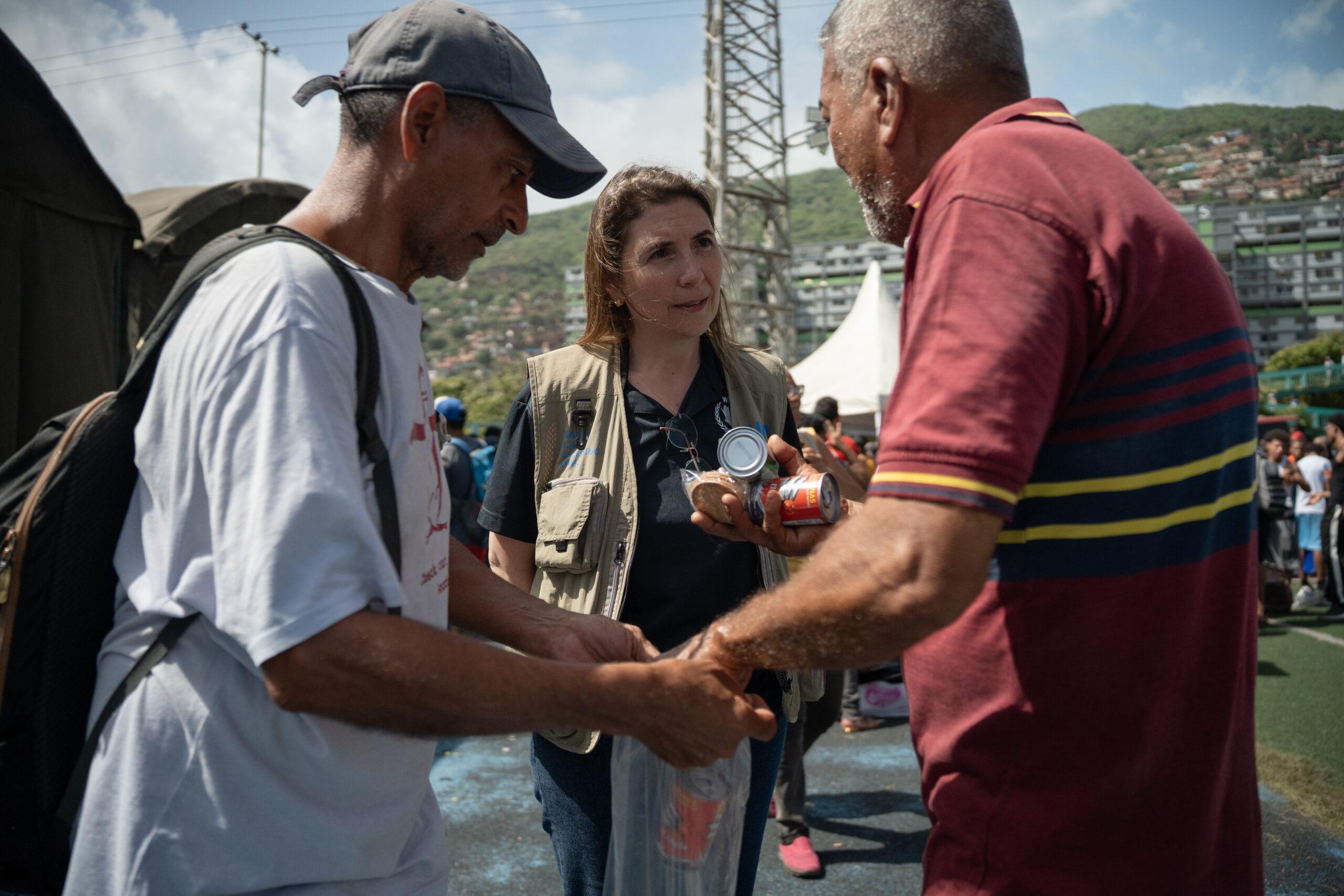
The UN said it was coordinating humanitarian assistance while warning that recovery would take time, and it described a shift from rescue to emergency healthcare, shelter, food assistance, water and sanitation, and logistical support.
UN Resident and Humanitarian Coordinator in Venezuela Gianluca Rampolla said the UN and Venezuelan authorities were focusing on “providing emergency healthcare, shelter, food assistance, water and sanitation, and logistical support.”
UN News reported that the UN was preparing three assistance centres in La Guaira for families who had lost their homes, and Vanessa May said, “There are people who need a hug.”
NBC News said a critical 72-hour window for rescuing people trapped beneath collapsed buildings had passed, while Venezuelan National Assembly President Jorge Rodríguez said the death toll rose to 1,719 on Monday afternoon.
Looking ahead, the UN said debris removal and early recovery would follow, with particular attention to damage to schools and hospitals, and it warned that reconstruction would require “working with authorities to determine where displaced families can be resettled.”