South America29 January, 20263 min read
Venezuelan Army and Police Swear Absolute Loyalty to Acting President Delcy Rodríguez
Venezuelan army and police pledged loyalty to acting president Delcy Rodríguez Defense Minister Vladimir Padrino presented Rodríguez a ceremonial independence sword and staff
11 outlets told this the same way.
Outlets did split on Alexandre de Moraes Orders Eduardo Bolsonaro Arrest, Cancels Passport, Enforces Four-Year Sentence →
State military loyalty ceremony
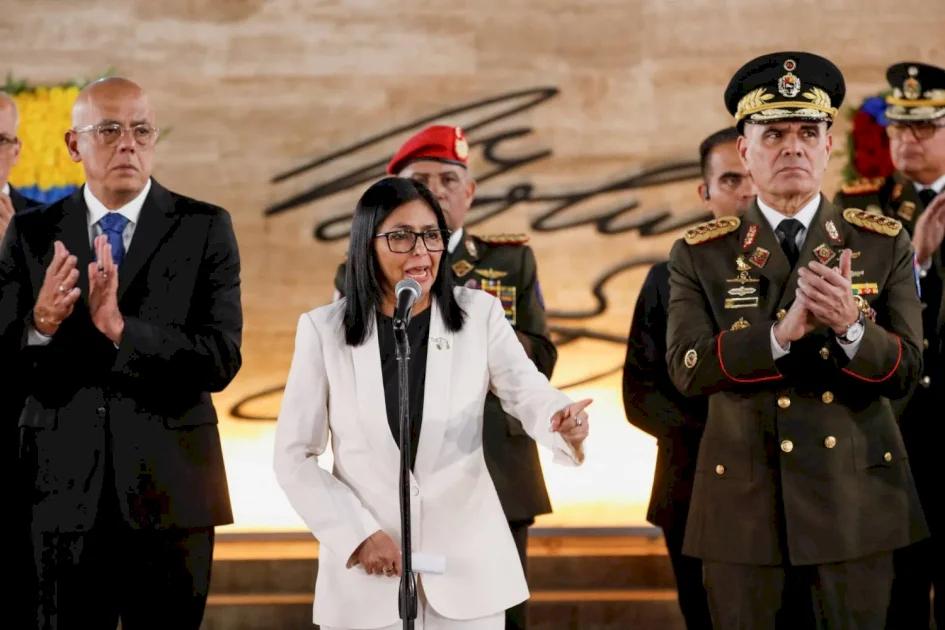
A state-televised ceremony formally recognized acting president Delcy Rodríguez as commander-in-chief of the Bolivarian National Armed Force after a large parade in which more than 3,000 troops and officers pledged loyalty. Defence Minister Vladimir Padrino López presented Rodríguez with a symbolic baton and sword and pledged the FANB’s absolute loyalty and subordination.
“US Secretary of State Marco Rubio told the Senate ... the recent operation that captured former president Nicolás Maduro a law-enforcement action.”
Interior Minister Diosdado Cabello pledged police support and framed the show of force as a guarantee of government continuity and national unity. The event was described as symbolic, and the forces reportedly vowed before God to defend the homeland, the Constitution and national institutions even at great personal cost.
Venezuelan leadership shift
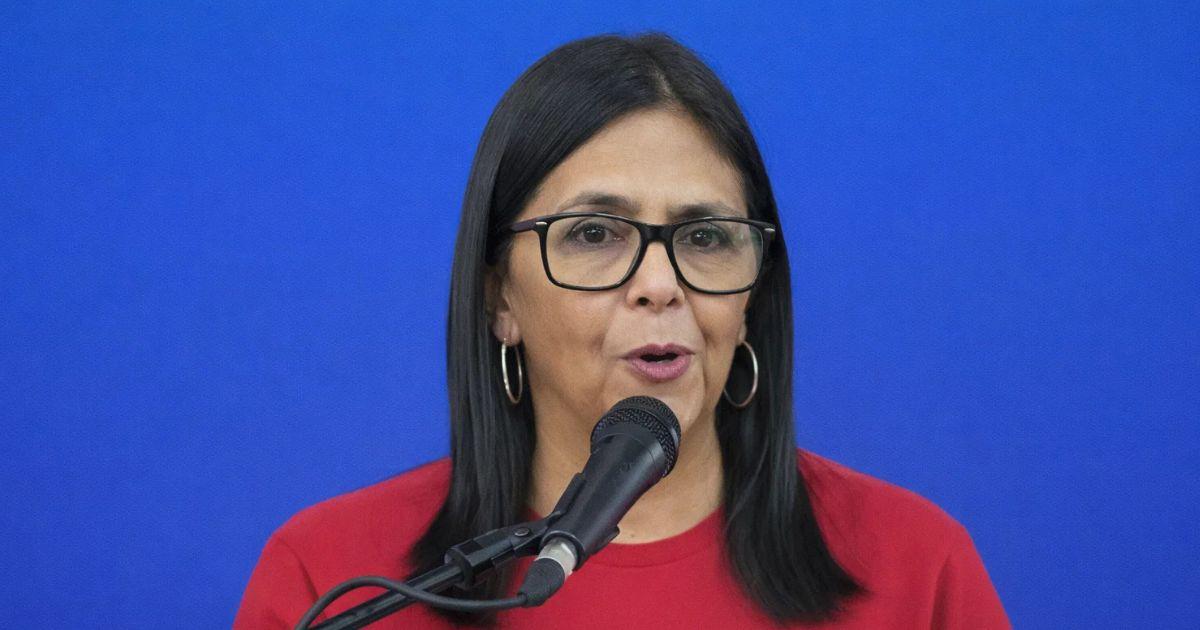
Senior Venezuelan figures framed the event as both a transfer and a reaffirmation of command. Padrino López handed over the baton of command and promised "absolute loyalty and subordination," while Rodríguez called the ceremony "symbolic" and emphasized defense of the Constitution and institutions.
Interior Minister Diosdado Cabello told police to defend Rodríguez as a means of preserving national unity, and local reporting stressed that the military’s backing is notable because the armed forces were previously a key backer of Nicolás Maduro. Rodríguez’s team also announced exploratory talks with the United States, suggesting the ceremony doubled as a domestic legitimizing act and a step toward cautious external engagement.

U.S. leverage on Rodríguez
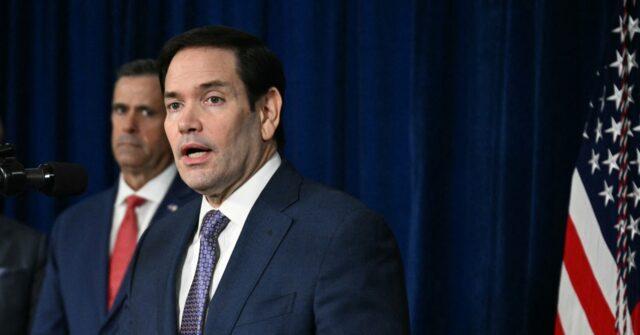
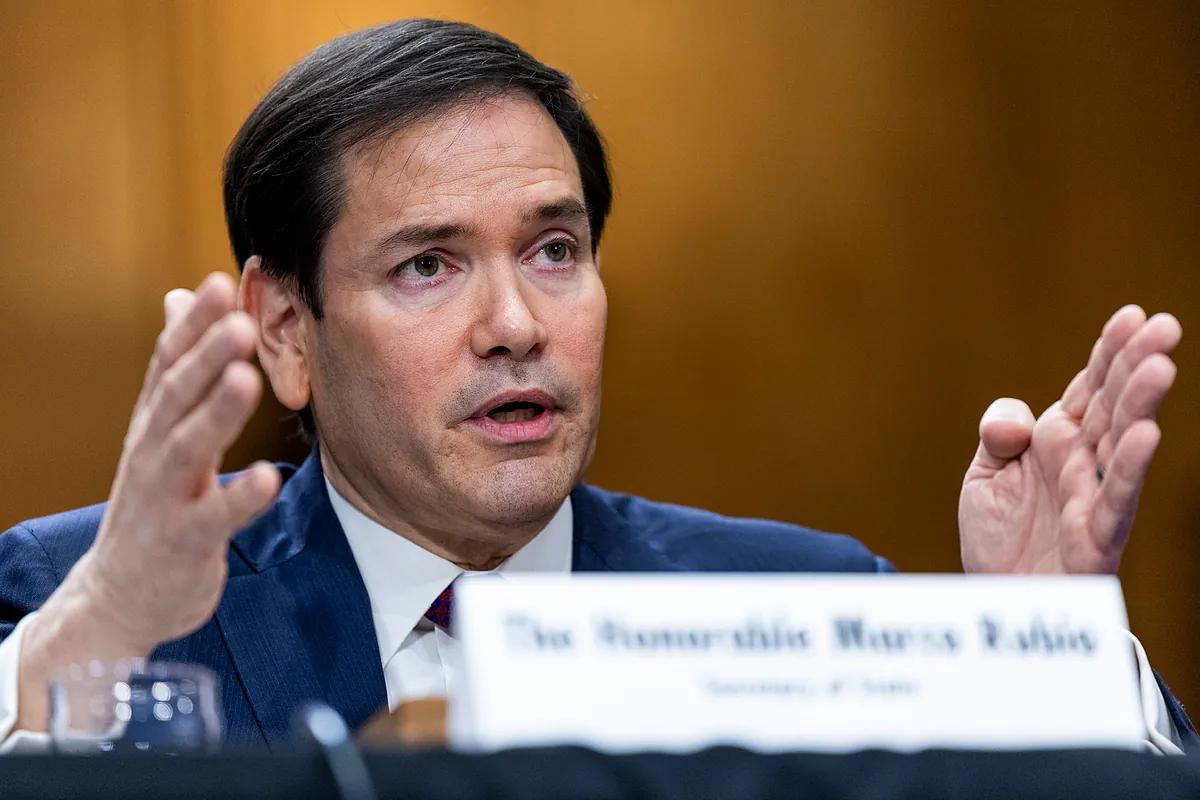
U.S. officials and lawmakers were prominent in coverage of the aftermath. Senator Marco Rubio was repeatedly quoted warning that the U.S. was prepared to use force if Rodríguez did not cooperate. U.S. officials also signaled a willingness to work with her if she yielded on key demands.
“Rubio outlined a phased roadmap whose current priority is stability through direct talks with Delcy and Jorge Rodríguez, and detailed an oil agreement that freed blocked crude, raising about $500 million—$300 million sent to Caracas for government operations and $200 million held in Qatar to be transferred later.”
Reports say President Trump instructed his team to engage Rodríguez but warned of further military action over a refusal to grant U.S. access to Venezuelan oil reserves. U.S. moves under discussion included sending additional diplomatic staff to Caracas and potentially reopening the U.S. embassy if conditions changed.
Those accounts framed the loyalty ceremony alongside active U.S. leverage. They presented diplomatic openings as contingent on compliance, with force explicitly kept 'on the table'.
U.S.–Venezuela diplomacy and intel
U.S. intelligence reporting and diplomatic outreach remain unsettled, with Reuters and CubaHeadlines reporting that CIA evaluations are inconclusive about whether Rodríguez will cut ties with Maduro’s foreign backers. Her swearing-in was attended by representatives from Iran, China, Russia and Cuba, and she has not expelled their envoys.
The CIA’s uncertainty is compounded by reported U.S. engagement, including the CIA Director’s trip to Caracas, an announced exploratory process for resuming U.S. relations that may include oil sales, and the State Department’s decision to send extra staff to prepare for reopening the embassy. Taken together, these fragments show that on-the-ground loyalty pledges coexist with persistent external doubts and active diplomacy.
Media framing of ceremony
Taken together, the sources paint a layered picture: domestic outlets and state-televised reporting emphasize the ritual consolidation of authority and public vows of loyalty. Other outlets, particularly NewsX and El Mundo, situate the ceremony within an ongoing U.S. strategy. That strategy mixes conditional engagement, economic leverage (notably oil access), and the explicit threat that force remains an option.
“Padrino López pledged the FANB’s ‘absolute loyalty and subordination’ and handed over the baton of command.”
Intelligence reporting (CubaHeadlines) adds another layer of ambiguity about Rodriguez's true intentions toward Maduro's international backers. Readers therefore encounter different emphases: legitimating ceremony, transactional diplomacy, or unresolved intelligence, depending on the source type they consult.