South America09 February, 20263 min read
Venezuelan Attorney General Orders Arrest Of Opposition Leader's Ally Hours After His Release
Juan Pablo Guanipa was released from detention after more than eight months. He was seized by armed men in civilian clothes in Los Chorros hours after release.

31 outlets told this the same way.
Outlets did split on Alexandre de Moraes Orders Eduardo Bolsonaro Arrest, Cancels Passport, Enforces Four-Year Sentence →
Guanipa custody developments
Venezuelan authorities moved swiftly after opposition ally Juan Pablo Guanipa was freed. The Public Prosecutor's Office requested that the precautionary measure allowing his release be revoked and sought to place him under house arrest. Government officials and prosecutors described his return to custody as a legal response to alleged breaches of release terms.
“The Public Prosecutor’s Office has asked to revoke the precautionary measure that allowed his release, alleging he violated house-arrest conditions.”
Multiple outlets report that prosecutors asked for a formal house-arrest order and said Guanipa had violated conditions of release. The Star says authorities are seeking court approval to place him under house arrest. The New Indian Express reports the Public Prosecutor's Office confirmed he had been taken back into custody for that reason.
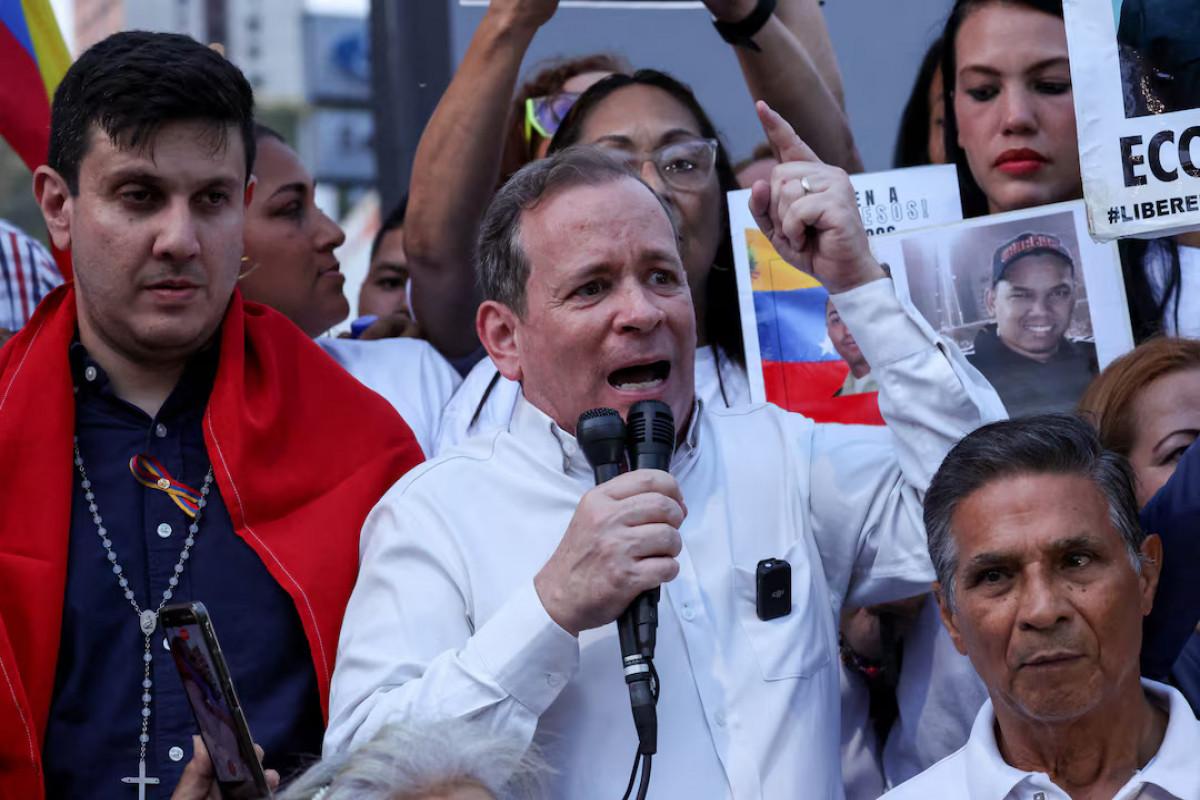
DW likewise states that the Public Prosecutor's Office has asked to revoke the precautionary measure that allowed his release. These accounts frame the development as a legal and prosecutorial action rather than solely an extrajudicial abduction.
Guanipa abduction reports
Opposition leaders and Guanipa’s family describe a dramatic, violent recapture. María Corina Machado and witnesses say heavily armed men dressed in civilian clothes arrived in four vehicles and violently took him away. Guanipa’s son posted footage and said about 10 unidentified people ambushed and seized his father.
Several sources record Machado’s account that plainclothes men in multiple vehicles forced Guanipa into cars late at night. His son demanded immediate proof of life. Mint gives a timestamp near 11:45 p.m.
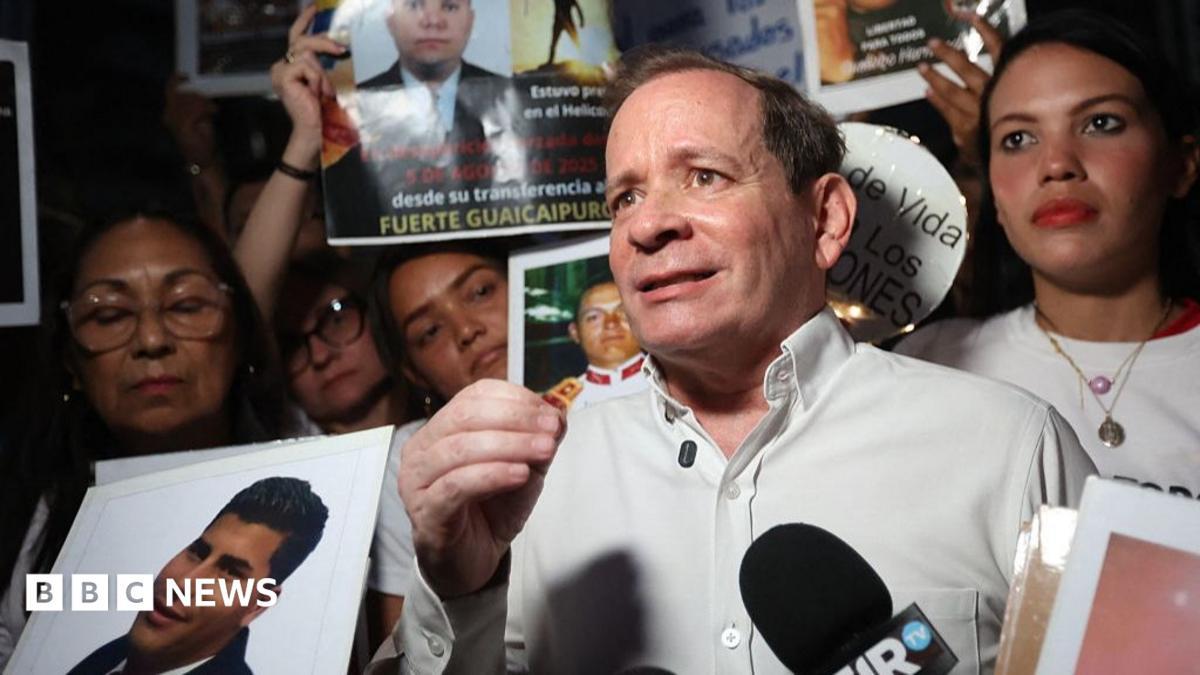
Spectrum News and The Straits Times report roughly 10 assailants. The Spec reproduces Machado’s X post about four vehicles.
Political detainee releases
The apparent seizure and rapid re‑custody occurred amid a wider political opening led by acting President Delcy Rodríguez’s caretaker government.
“The article... reports that Venezuelan authorities have begun releasing political prisoners following the Jan. 3 capture of then‑President Nicolás Maduro by the U.S. and the swearing‑in of Rodríguez as acting president.”
Rodríguez’s government began releasing dozens of political detainees after the reported Jan. 3 capture of Nicolás Maduro by U.S. forces and Rodríguez’s swearing‑in, as part of a push that includes a draft amnesty bill debated by lawmakers.
Several sources link Guanipa’s short release to that broader set of releases and political negotiations, with Republic World reporting releases began after Maduro’s reported capture and swearing‑in, The New Indian Express and Breitbart citing NGO Foro Penal for figures on detainees freed and noting the amnesty draft, and outlets including paNOW and The Daily Gazette referencing the timing and international pressure such as a U.N. human rights visit.
Conflicting reports on custody
Reporting differs sharply on who is responsible and what the incident signifies. Opposition sources and many local and tabloid outlets describe the incident as a kidnapping by state security forces or state-backed colectivos intended to intimidate dissidents, with the Daily Express US saying he was 'kidnapped by the repressive forces of the dictatorship' and streamlinefeed.co.ke calling it 'an act of state terror.' By contrast, mainstream outlets such as DW and CNN cite the Public Prosecutor’s Office and Interior Minister Diosdado Cabello accusing Guanipa of violating release terms or leading plots, and present the re-custody as a prosecutorial legal action.
Some reports (Breitbart, The New Indian Express, The Star) combine both angles, noting the opposition’s kidnapping claim alongside the prosecutor’s move to place Guanipa under house arrest. These differences reflect divergent editorial priorities - immediate human-rights alarm versus attention to official legal procedures - and varying reliance on opposition posts, family videos, official statements and NGO tallies.
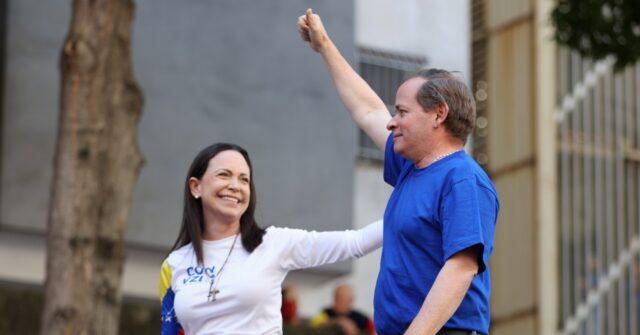
Guanipa detention coverage
Rights groups, families and some international actors have expressed alarm and called for clarity, while many outlets note uncertainty and the lack of an independent, conclusive account. Foro Penal representatives like Alfredo Romero are quoted expressing 'serious concern' and saying there is 'no clear information on who detained him,' and multiple reports say the government's press office did not immediately respond to requests for comment.
“Foro Penal said at least 30 detainees were freed Sunday; freed prisoners, including former governor Juan Pablo Guanipa, joined waiting families chanting 'We are not afraid!'”
Reports show discrepancies in numbers freed, with Foro Penal tallies varying across outlets from 'at least 30' to '35' to '383' or 'nearly 400', and they emphasize that many detainees remain. The combined coverage therefore shows both immediate human-rights alarm and unresolved factual gaps about who detained Guanipa and the legal status of his re-custody.