South America08 January, 20262 min read
Venezuelan Interim Government Frees Political Prisoners, Including Opposition Leaders and Foreign Detainees
This article is an automated aggregation of coverage from news outlets. Our editorials offer in-depth analysis curated by the NewsCord team.
Interim government began releasing a significant number of political prisoners Releases include high-profile opposition leaders and several foreign detainees

6 outlets told this the same way.
Outlets did split on Brazil Police Kill Suspect After 13 Kindergarteners Held Hostage In Curitiba →
Venezuela prisoner release update
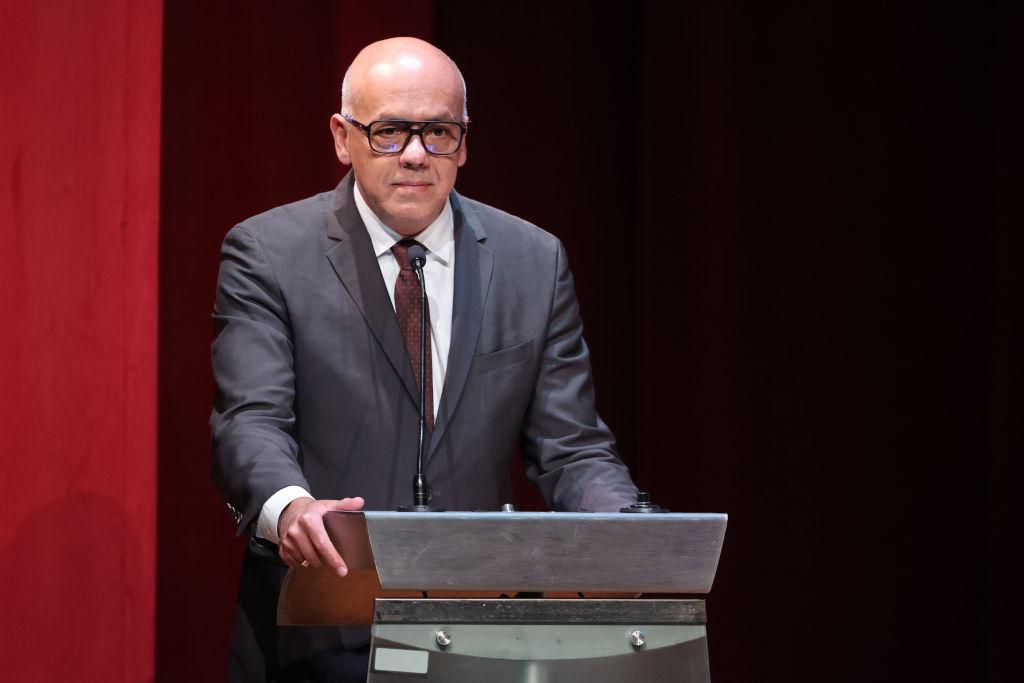
Interim-government officials in Venezuela announced the beginning of releases of political prisoners. National Assembly president Jorge Rodríguez said the government has begun freeing a 'significant number' of Venezuelan and foreign detainees and that the action is 'occurring at this very moment'. Rodríguez framed the move as a gesture toward national unity and peace and thanked mediators including José Luis Rodríguez Zapatero, Brazil's Luiz Inácio Lula da Silva, and Qatar.
“Venezuela's National Assembly president Jorge Rodríguez announced that the government has begun releasing a ‘significant number’ of political prisoners — Venezuelan and foreign — saying the decision was taken jointly by the executive and other state institutions and is ‘occurring at this very moment.’”
He denied that the government had engaged in talks with 'extremist sectors'. Observers and activists treated the announcement cautiously, noting that the government's promise to provide details 'within a few minutes' had not been fulfilled hours later. This paragraph synthesizes official statements and early reporting.
Disputed prisoner release figures
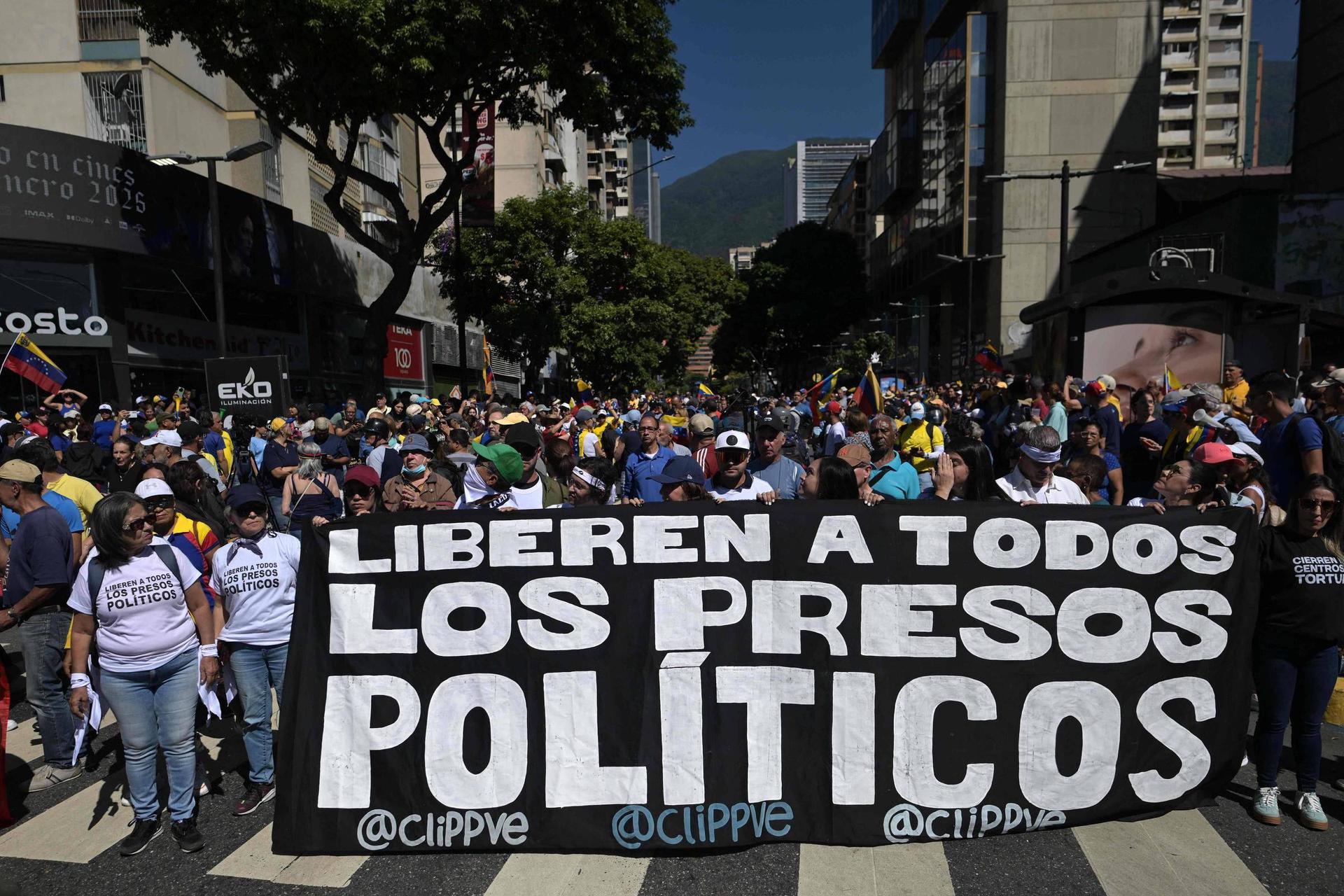
Numbers and verification remain in dispute.
Activist groups and rights organizations reported far smaller, partially verified counts than the government’s broad wording.

One organization told reporters it had confirmed only "around eight or perhaps 10" releases by late evening.
Alfredo Romero of Foro Penal said he had confirmed only five releases by early evening while estimating some 806 political prisoners remained in custody.
Separately, the Penal Forum said 863 people were being held "for political reasons" as of Dec. 29, 2025.
Opposition leader María Corina Machado warned that roughly 800 political detainees still remain.
These diverging figures — government language of a "significant" or "important number" versus independent tallies in the hundreds or single digits of confirmed releases — highlight major verification gaps.
Debate over prisoner releases
Observers and rights groups raised concerns about the conditions and limitations attached to releases. The Guardian reported criticism of partial, conditional liberties that carry travel bans and other restrictions, and said activists urged calm and vigilance while legal procedures play out.
“Alfredo Romero of Foro Penal, which estimates 806 political prisoners remain in Venezuela, said he had confirmed only five releases by early evening and criticized partial, conditional liberties that carry travel bans and other restrictions.”
India Today quoted researcher Ronal Rodrguez warning the regime often uses prisoners as bargaining chips and saying observers will watch who is freed and under what conditions, such as house arrest. The Latin Times highlighted the government’s denial of talks with "extremist sectors" and framed the releases as a reconciliatory gesture, presenting a more official tone compared with skeptical activist responses.
International reaction to releases
The releases, and the reporting around them, unfold amid international pressure and geopolitical maneuvering. Latin Times records Rodríguez thanking mediators including José Luis Rodríguez Zapatero, Luiz Inácio Lula da Silva and Qatar, while noting U.S. scrutiny after President Donald Trump accused Caracas of closing a detention site he called a 'torture chamber'.
India Today places the moves alongside U.S. actions, reporting that the Trump administration seized two sanctioned oil tankers and said it would relax some sanctions so the U.S. could oversee sales of Venezuelan petroleum, linking sanctions decisions to efforts to shape Venezuela's future after Maduro's capture. The Guardian situates the event in an atmosphere of activist caution and references prior unverified regime claims to release 187 people in the days before a U.S. operation, underlining how international action and domestic claims interact in reporting.