Techonology and Science25 February, 20262 min read
Vice President JD Vance Pauses $259 Million in Medicaid Funding to Minnesota
Vice President JD Vance temporarily paused $259 million in Minnesota's federal Medicaid payments. Action framed as part of the administration's broader "war on fraud" targeting Medicaid misuse.

16 outlets told this the same way.
Minnesota Medicaid withholding
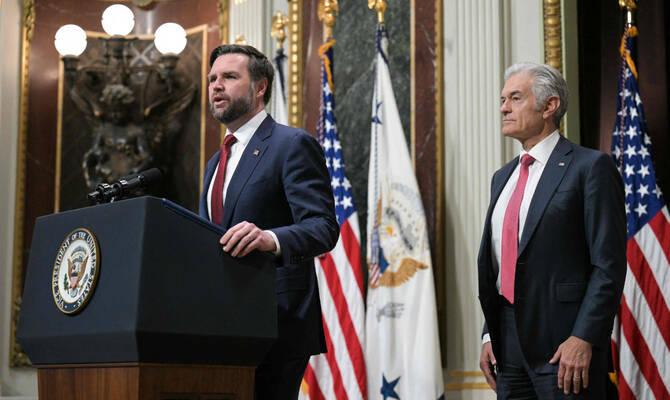
Vice‑President J.D. Vance announced the federal government will temporarily withhold roughly $259 million in Medicaid reimbursements to Minnesota as part of a new anti‑fraud enforcement effort.
“The Trump administration announced it will temporarily pause $259.5 million in federal Medicaid funds to Minnesota as part of a new ‘war on fraud,’ Vice President J.D. Vance and CMS Administrator Dr. Mehmet Oz said.”
Centers for Medicare & Medicaid Services (CMS) Administrator Mehmet Oz joined the announcement and said deferred transfers will be held until the state submits a corrective plan.
Officials said the pause is aimed at stopping alleged fraudulent claims and that providers already paid would not immediately lose funds.
They warned the pause could expand unless Minnesota produces an acceptable plan within a set period.
The administration described the action as part of a broader "war on fraud" and tied it to audits and ongoing probes of benefit misuse in the state.
Alleged billing and fraud
Officials outlined specific alleged abuses and related measures. CMS announced a nationwide six‑month moratorium on new durable medical equipment (DME) suppliers amid concerns about billing for undelivered items.
Administration officials cited schemes such as paying mothers roughly $1,000 to falsely enroll children as autistic to obtain services. The administration and its allies pointed to cases involving after‑school autism services and daycare‑related fraud as examples used to justify withholding payments and pressing Minnesota to adopt stronger oversight.
Minnesota Medicaid freeze dispute
Minnesota officials immediately pushed back and warned of legal and practical consequences. Governor Tim Walz and other state leaders disputed that the freeze reflected Medicaid fraud specifically, with Walz saying the action "has nothing to do with fraud" and state officials warning the pause harms health care infrastructure.
“Minnesota officials pushed back: Gov. Walz said the freeze ‘has nothing to do with fraud’ and criticized federal investigators; AG Keith Ellison warned the state may sue if money is unlawfully withheld; the state DHS said the action harms health care infrastructure and ignored state anti-fraud efforts.”
The administration countered that providers remain paid and that the pause targets state stewardship. Some outlets reported that Minnesota has already filed appeals and that extended freezes in the past have raised the prospect of billions withheld.
Minnesota pause controversy
The announcement sits within a charged political context. Vance was named to lead an administration 'war on fraud' highlighted at the State of the Union, and commentators and outlets link the pause to broader federal freezes and probes that have targeted Minnesota programs in recent months.
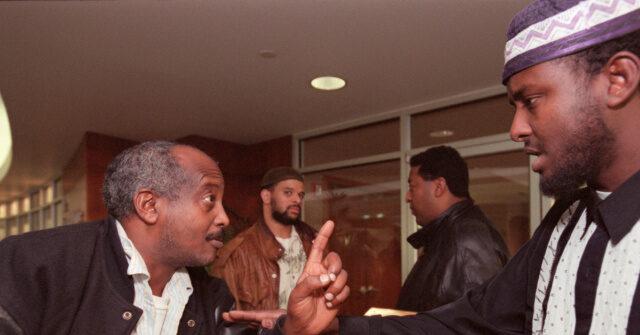
Reporting notes concern among advocates that the action singles out Minnesota's large Somali community and will politicize benefit-fraud enforcement. Observers warn the step could be precedent-setting, with officials saying similar actions could be taken against other states if problems are found.

CMS suspension coverage
Administration officials and allied outlets framed the suspension as a large-scale anti-fraud step with broader policy implications. CMS and some reporting described potential nationwide follow-ups and estimated fraud as a substantial drain on federal healthcare spending. Other outlets warned about potential consequences for beneficiaries and the prospect of legal challenges.
“Administration estimates place annual healthcare fraud, waste, and abuse at about $300 billion (roughly 5% of spending); Oz said cutting fraud by 5% could roughly double Medicare’s solvency from about five years to ten.”
Across coverage there is disagreement over how much public, verifiable evidence was provided at the announcement and whether the move is primarily a fiscal enforcement step or politically motivated. Those tensions are apparent in the divergent language used by outlets and in how they highlight the Somali-community angle, the scale of alleged losses, and the administration's projected savings from cutting fraud.
