Europe05 January, 20262 min read
Wait Staff Ignite Sparklers, Set Le Constellation Bar Ablaze, Kill 40 at Crans-Montana Ski Resort
This article is an automated aggregation of coverage from news outlets. Our editorials offer in-depth analysis curated by the NewsCord team.
Early-hours fire at Le Constellation bar in Crans-Montana killed 40 people on January 1 Authorities identified all 116 injured; 83 remain hospitalized, several in critical condition
19 outlets told this the same way.
Outlets did split on Marco Rubio Urges Europe To Awaken From Slumber In Athens Speech →
Crans-Montana bar disaster
A devastating New Year’s Eve fire and explosion tore through the basement of the Le Constellation bar in Crans‑Montana in the early hours of Jan. 1, killing 40 people—many of them teenagers—and leaving dozens more injured and hospitalized as Swiss authorities and international partners scrambled to identify victims and treat the wounded.
“A deadly New Year’s Eve fire and explosion at the Le Constellation bar in Crans-Montana tore through the basement on Jan. 1, killing 40 people—most of them teenagers—and has prompted national grief and international condolences.”
Officials and media report the alarm came at about 1:30–1:31 a.m., and authorities say most victims were teenagers or young adults, prompting national grief, international condolences and a national day of mourning.
The scale of the disaster and the fact that many victims needed DNA identification has intensified public pressure for a thorough criminal inquiry.
Nightclub fire investigation
Investigators say the blaze likely began when sparkler-type devices—variously described as 'sparkling (fountain) candles,' 'fountain candles' or sparklers fixed to champagne bottles—were held too close to the acoustic ceiling. The devices ignited insulating foam, producing a rapidly spreading fire and toxic smoke.
Multiple outlets report the devices were attached to bottles and that the ceiling's soundproofing material appears to have intensified the blaze, prompting prosecutors in Valais to open criminal probes. Emergency teams described an extremely complicated response as dense smoke and intense heat made escape difficult.
Reporting on victims' identities
The human toll has drawn repeated focus, with reports of names, ages and nationalities personalising the tragedy. Several outlets named individual victims and noted that many of the dead were teenagers, with coverage ranging from detailed human-interest profiles to lists of nationalities. Some outlets highlighted specific victims such as 15-year-old Charlotte Niddam and other teenagers who died trying to help friends, while press accounts emphasise multinational victim lists and the difficulties of identification after severe burns.
“Of the 40 victims, 26 were aged 14–18.”
Investigations and safety reviews
Criminal and administrative scrutiny tightened immediately. Prosecutors have opened investigations into the bar's French owners, named in several reports as Jacques and Jessica Moretti, on suspicions including negligent homicide or manslaughter, bodily harm, and causing a fire. Local municipalities have handed archives to prosecutors and in some cases joined proceedings as civil parties.
Authorities and neighbouring towns have launched safety reviews of nightclub inspections, soundproofing materials, and escape routes. Officials are checking whether required annual building inspections were carried out.

Aftermath and responses
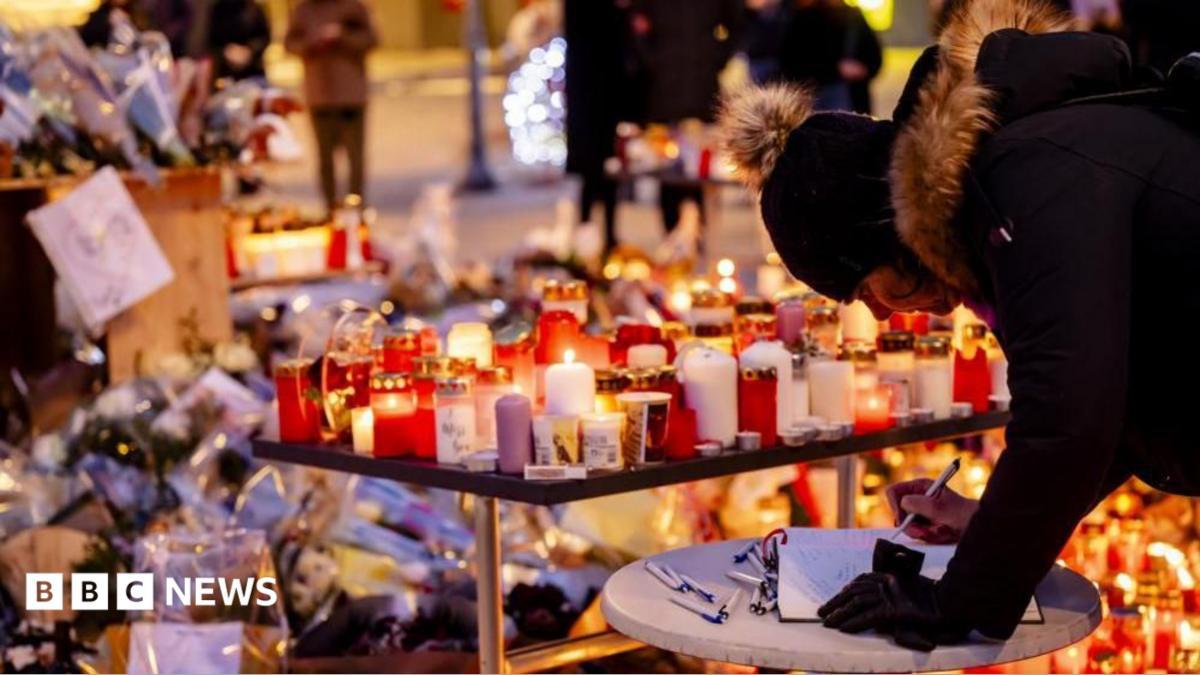
The immediate aftermath involved large-scale medical evacuations, community mourning and a fast-moving public debate over safety and responsibility. Dozens of seriously burned patients were flown to specialist units across Europe; multiple sources reported 35 transfers to clinics in France, Germany, Italy and Belgium.
“35 seriously hurt patients were sent to specialist burns units abroad (17 to France and others to Germany, Italy and Belgium).”
Communities held silent marches and church services, and Swiss officials declared a national day of mourning. Coverage diverged afterwards: some reports focused on overwhelmed hospitals and cross-border medical transfers, while others highlighted public anger at perceived regulatory failures and even unrelated commercial reactions on social media.