
War, God, and the good life: an Indigenous perspective on the conflict in Iran
Key Takeaways
- Missiles strike cities as the Middle East conflict continues.
- Oil markets tremble amid the war and geopolitical tension.
- Indigenous perspectives interrogate morality and human costs of the conflict.
Framing of the conflict
War strikes again in the Middle East.
“Each week, ONFR explores a facet of our society through various chronicles”
Missiles fall on cities, oil markets tremble, and political leaders speak with certainty of good and evil.
But this conflict carries something more dangerous than missiles.
It carries the language of holy war.
Divine framing by US troops
Testimonies from American soldiers suggest that some commanders presented the war against Iran as part of a divine plan, even invoking biblical prophecies about Armageddon and the return of Jesus Christ.
Complaints filed by service members claim that officers told troops that this conflict was linked to the 'last days' described in the Book of Revelation.
Indigenous war and spirituality
From an Indigenous perspective, this way of thinking is hard to understand.
“Each week, ONFR explores a facet of our society through various chronicles”
The Indigenous nations of North America certainly knew war long before the arrival of Europeans.
Conflicts could arise over territory, for food resources, over honor, or simply because of competition between peoples.
Warriors prepared for battle through ceremonies, prayers, and moments of reflection.
A Cree warrior might ask Kitchi Manitou, the Great Mystery, or the Great Spirit for protection or guidance before entering combat.
Canada's chaplaincy approach
Within the Canadian Armed Forces, where I serve as a reservist chaplain and guardian of Indigenous knowledge, chaplains accompany service members of many different beliefs.
Christians, Muslims, Jews, Sikhs, practitioners of Indigenous spiritualities, atheists, and many others serve together.
The modern philosophy of chaplaincy is not to promote a single faith, but to support the spiritual well-being of each person, regardless of their belief.
Chaplains are non-combatants.
Their role is not to bless war, but to care for the people who must endure it.
More on Iran
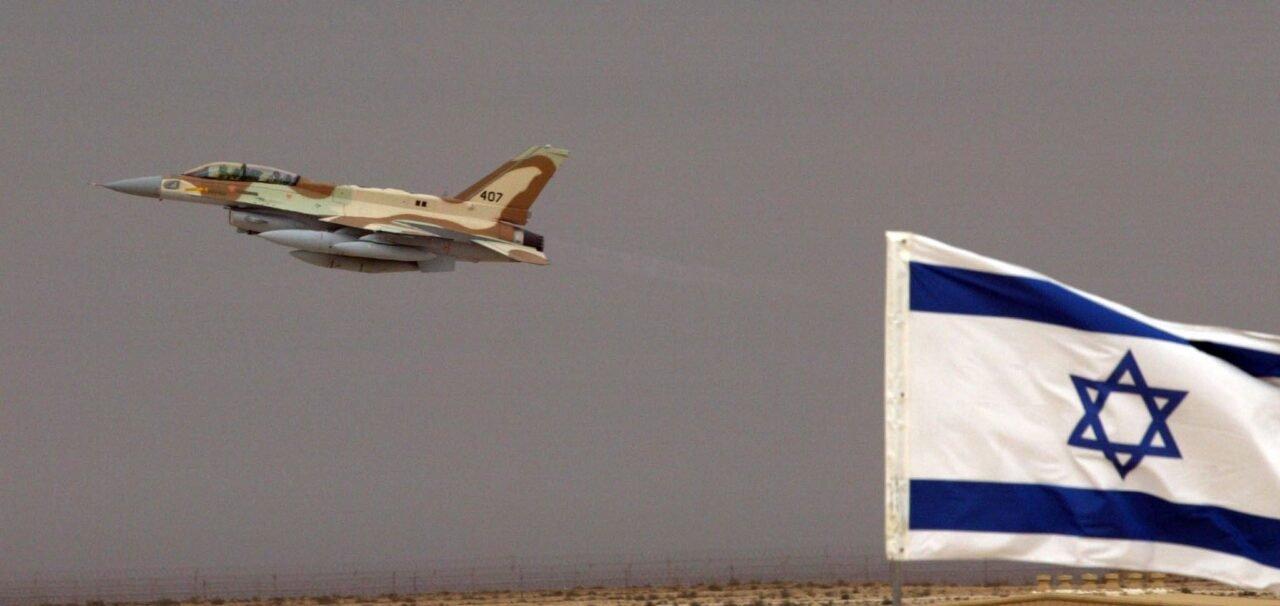
Israel Air Force Commander Tomer Bar Warns No Iran Nuclear Deal Would Be Major Failure
12 sources compared
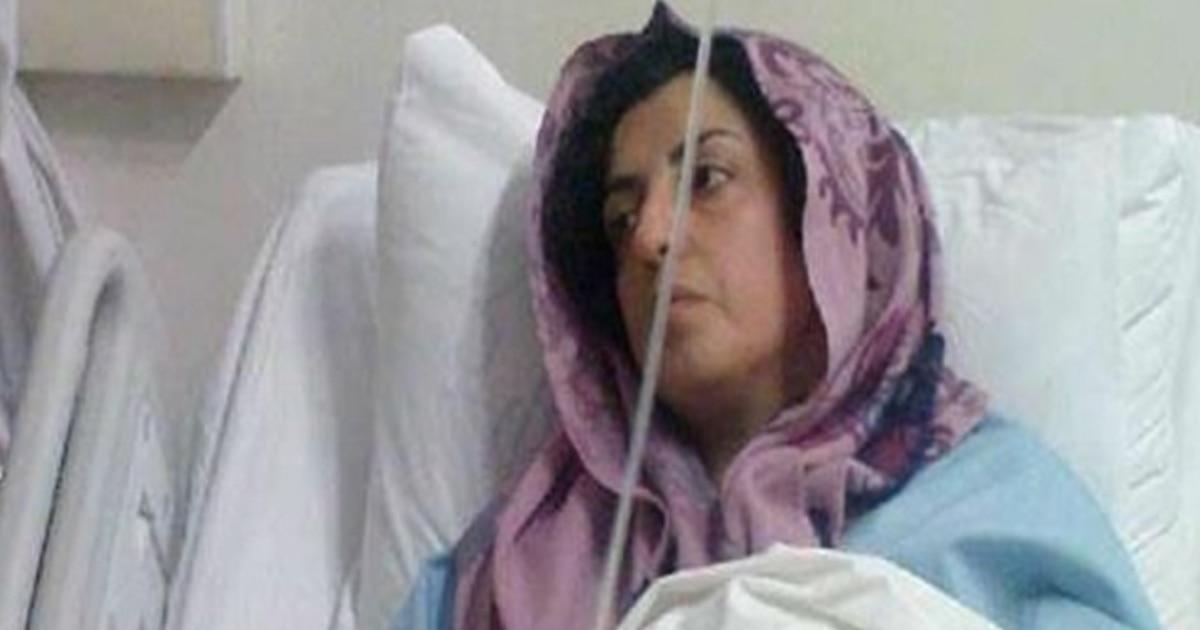
Narges Mohammadi Rushed To Hospital In Zanjan After Losing Consciousness Twice In Custody
11 sources compared
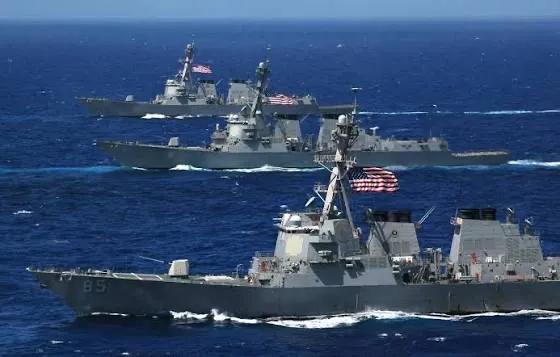
U.S. Navy Awards Domino Data Lab Nearly $100 Million to Detect Iranian Mines in Strait of Hormuz
10 sources compared
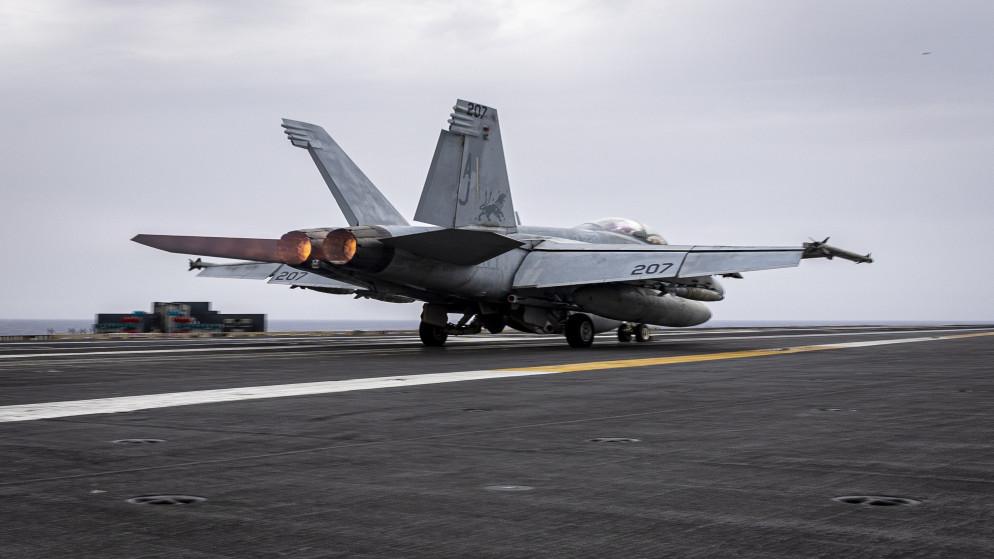
Trump Tells Congress Iran Hostilities Have Terminated Ahead of May 1 War Powers Deadline
20 sources compared