Full Analysis Summary
Sudan conflict and FGM risk
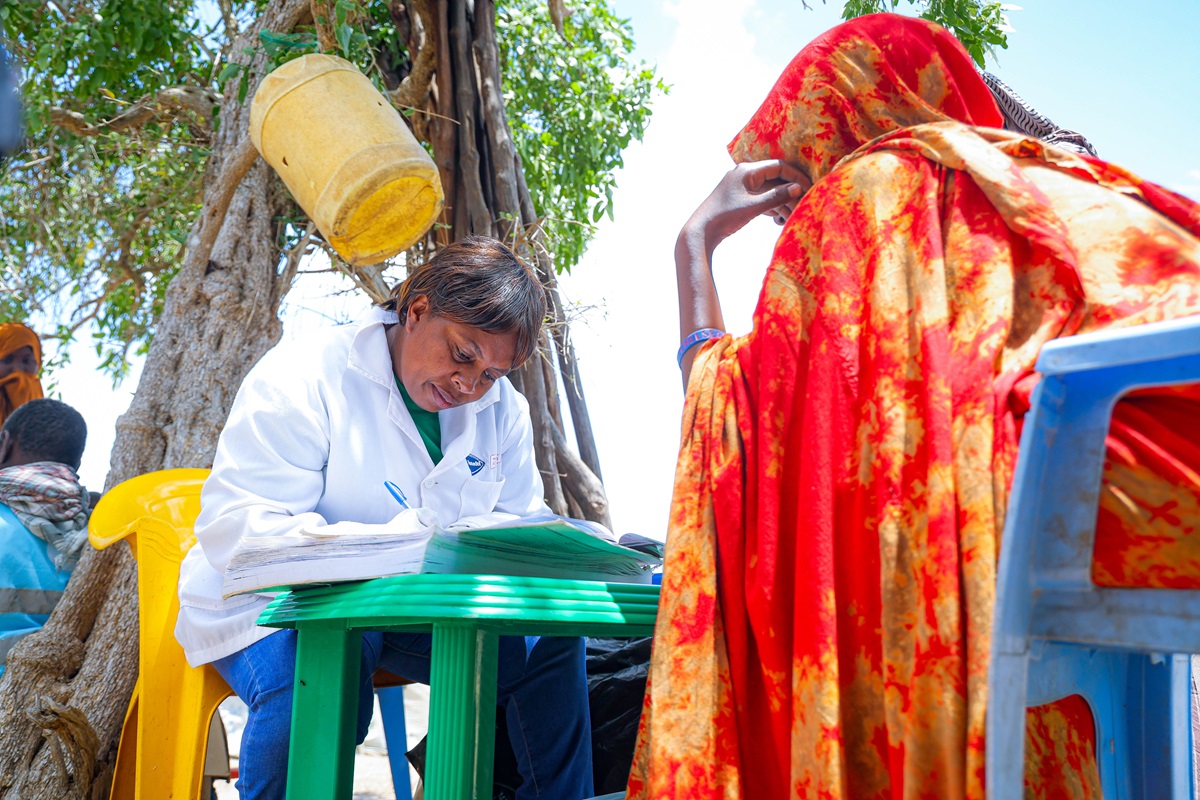
The conflict in Sudan between the Sudanese Armed Forces and the Rapid Support Forces has dismantled health services, weakened law enforcement, and shifted social and economic pressures on families, raising the risk that millions more girls will be subjected to female genital mutilation (FGM).
The World Health Organization warns that fragile progress against FGM is threatened by funding cuts, reduced investment in health, education and child protection, and the medicalization of FGM, which together can reverse gains and scale back community programmes and services.
Dabanga Radio TV Online reports that the conflict has broken down health systems and protective structures in a country that historically had some of the highest FGM prevalence rates, placing girls at heightened risk.
Coverage Differences
Tone and focus
WHO (Western Mainstream) emphasizes global estimates, health-system responses, and programmatic guidance, stressing prevention, survivor-centred care, and updated evidence-based guidelines; in contrast, Dabanga Radio TV Online (Other) focuses on the local crisis in Sudan, reporting how active conflict has directly dismantled services and elevated immediate risk for girls there.
Global FGM statistics and response
WHO estimates about 4.5 million girls are at risk of FGM each year and warns that, if current trends continue, 22.7 million more girls will be affected by 2030.
The WHO also reports that over 230 million girls and women alive today have undergone FGM.
Dabanga echoes the UN figure of more than 230 million affected worldwide and estimates roughly 4 million people are subjected to FGM each year.
These statistics frame the urgency behind WHO's call for predictable financing, multisectoral prevention, and health systems able to manage lifelong complications while avoiding medicalization of the practice.
Coverage Differences
Numbers and emphasis
Both WHO (Western Mainstream) and Dabanga (Other) use large global estimates, but WHO provides detailed trend projections (4.5 million at risk annually; 22.7 million by 2030; over 230 million affected) and links these to programmatic needs, while Dabanga reports a slightly different annual figure ('an estimated 4 million people are subjected to it each year') and emphasizes the immediate impact in conflict‑affected Sudan.
WHO guidance on FGM
WHO emphasizes health-sector responsibilities: avoiding medicalization, providing survivor-centred care including psychosocial and legal referrals, managing lifelong complications, and implementing codes of conduct for health workers.
The agency issued updated evidence-based guidelines in 2025 to help health systems prevent FGM and strengthen community engagement, education and law enforcement.
Dabanga references WHO's definition and harms of FGM and links the conversation to the reality on the ground in Sudan, where collapsed services mean those health-system recommendations are harder to implement.
Coverage Differences
Narrative and implementation focus
WHO (Western Mainstream) presents a global, programmatic roadmap (guidelines, health-system reforms, prevention strategies), while Dabanga (Other) highlights operational barriers in conflict settings—reporting that in Sudan the conflict has dismantled the very services WHO recommends, making implementation difficult.
FGM risks in Sudan
The conflict-driven deterioration of law enforcement, education, and social services in Sudan has changed social and economic pressures on families.
These shifts can increase the likelihood of female genital mutilation (FGM) as communities seek perceived protection, marriageability, or economic stability for girls.
The World Health Organization warns that backlash against elimination efforts and increased medicalization threaten to slow or reverse progress.
Dabanga links those warnings to the Sudanese context, noting that fighting has made prevention and protection much harder to sustain.
Coverage Differences
Framing of causes and context
WHO (Western Mainstream) frames risks in terms of global drivers (funding cuts, backlash, medicalization) and programmatic solutions, while Dabanga (Other) situates those drivers within the immediate, on-the-ground context of Sudan’s conflict, reporting direct consequences like dismantled services and weakened law enforcement.
Sudan FGM data gaps
Information gaps and limitations are apparent: WHO provides global guidance and estimates but does not in this snippet offer granular, country-level data on Sudan's current FGM rates amid the conflict.
Dabanga focuses on Sudan's immediate risks but cites UN warnings rather than detailed national prevalence trends in the excerpt provided.
These gaps mean that while both sources clearly link conflict to increased risk of FGM through weakened services and social pressures, precise figures for how many more girls in Sudan will undergo FGM because of the fighting remain unclear in the available excerpts.
Coverage Differences
Missed information / Ambiguity
WHO (Western Mainstream) offers global statistics and programmatic steps but in these excerpts lacks detailed country-level metrics for current conflict-affected Sudan; Dabanga (Other) reports the direct impact of conflict on services in Sudan but relies on UN warnings and does not provide new national prevalence statistics in the snippet.