
‘We want change but not like this’: Iranians describe daily life under air attack
Key Takeaways
- UN estimates up to 3.2 million Iranians displaced since the campaign's start.
- Many fled Tehran and major cities for rural areas or northern mountains.
- Millions remain in their capital homes despite ongoing air attacks.
Displacement scale
Up to 3.2 million people have been temporarily displaced in Iran since the start of the US-Israeli military campaign, the UN’s refugee agency estimates, a figure that is likely to rise as the war stretches into a third week.
Nafise introduction
Nafise, a 30-year-old jewellery designer, is one of them.
For privacy, she and all others interviewed are referred to by their first names only.
Economic concerns
Amir, 40, lives in Karaj but travels to the capital every day for work.
He owns a small shop in southern Tehran and distributes brake pads.
“The war and economic conditions directly affect my work,” he says.
“My biggest concern is a prolonged war. But even if the war ends, many countries are not cooperating with Iran.
If sanctions were lifted, the country could make significant progress.
Our economy holds great potential.”
Civilian impact and disruption
The heavy loss of life is alarming.
Civilian infrastructure has been affected, and many homes have been severely damaged by the hostilities.
Daily life in Tehran has been profoundly disrupted: children are not attending school, and many businesses have temporarily closed as a precaution due to the ongoing strikes.
More on Iran

Israel strikes Iran's Pars gas field as Tehran vows revenge
14 sources compared
Trump threatens to blow up South Pars gas field if Iran attacks Qatar again
10 sources compared
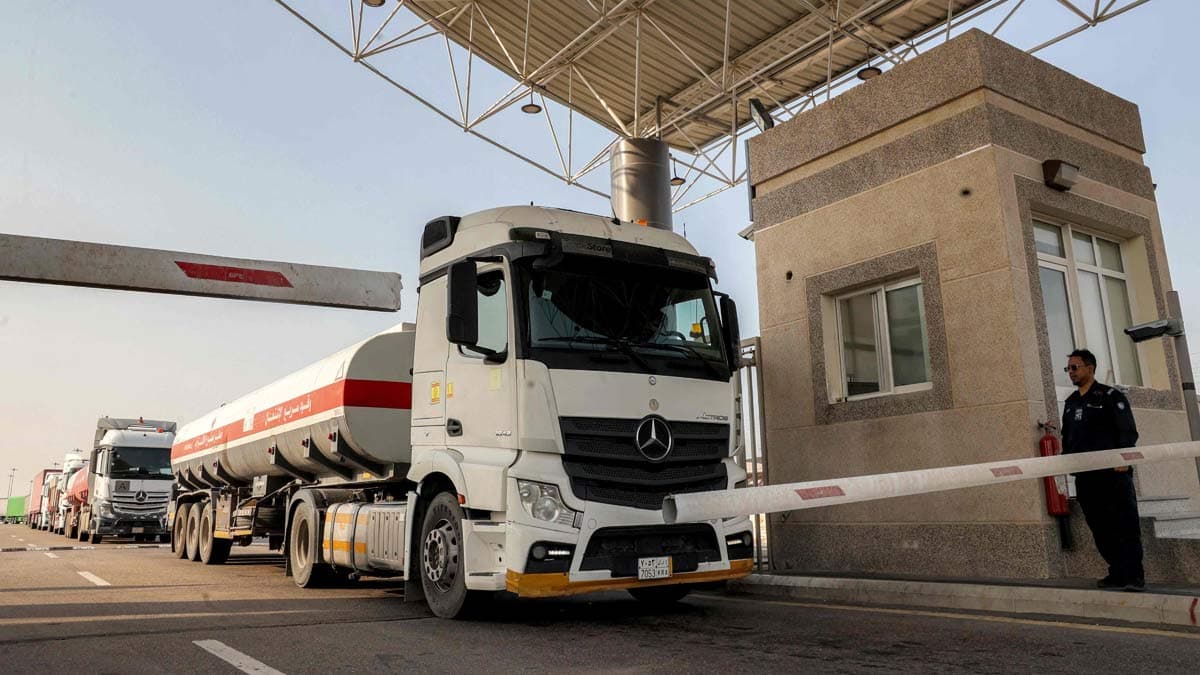
UAE Halts Habshan Gas Facility Operations After Debris From Intercepted Missiles
10 sources compared

Iran Threatens Gulf Energy Facilities After Israel Strikes South Pars Gas Field
11 sources compared