Crime13 November, 20253 min read
Wealthy Friends and Power Players Continued Enabling Convicted Sex Offender Jeffrey Epstein, New Emails Show
House Oversight Democrats released thousands of Jeffrey Epstein estate emails and documents. Emails show wealthy, influential associates maintained ties with Epstein after his 2008 conviction.

10 outlets told this the same way.
Epstein contacts and releases
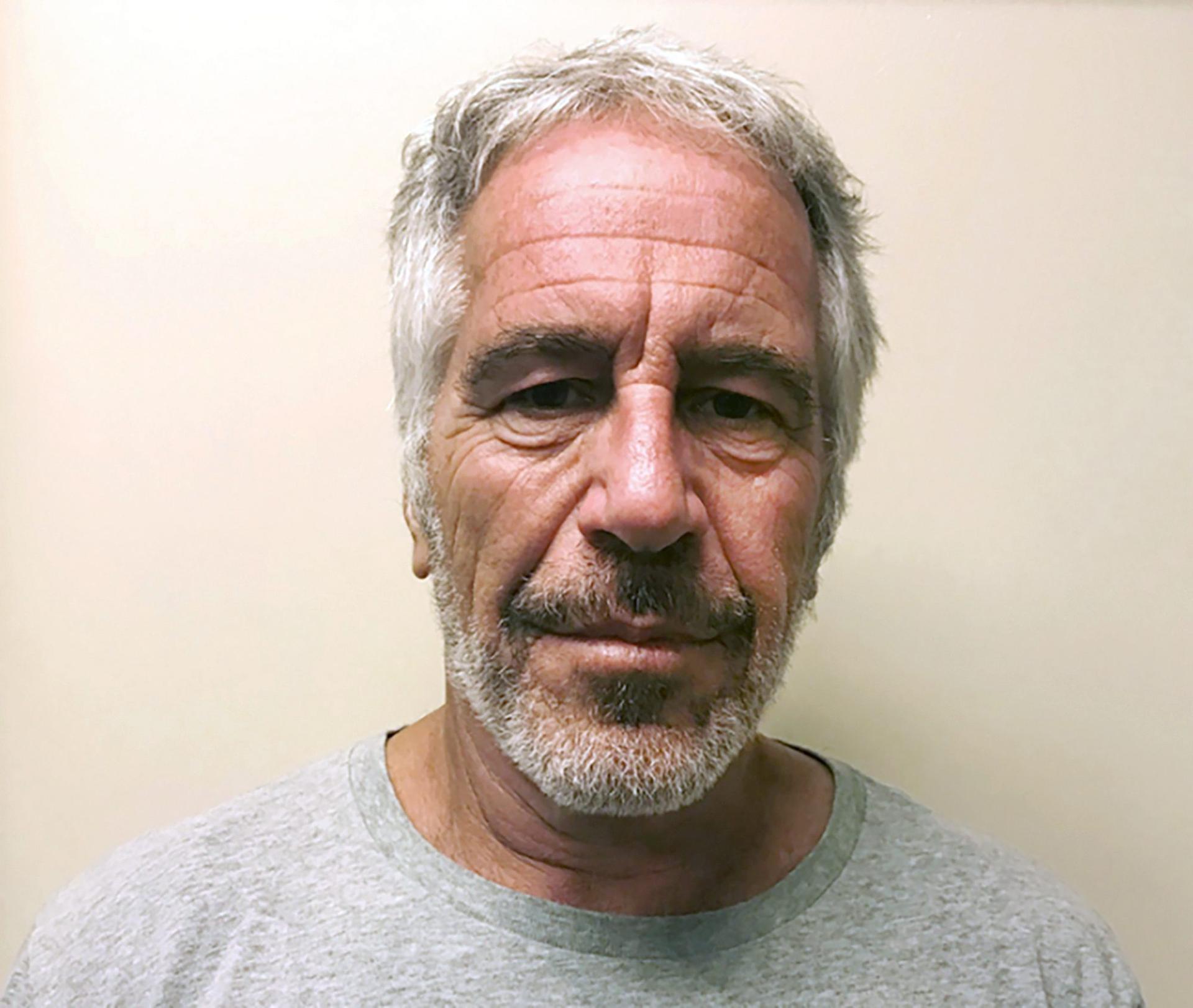
Newly released records from the House Oversight Committee show Jeffrey Epstein sustained an extensive trans-Atlantic web of contacts after his 2008 Florida conviction and through the years leading up to his 2019 arrest. Business executives, academics, journalists and political figures continued to communicate with him or seek introductions and support even while he was a registered sex offender.
“Jeffrey Epstein maintained an extensive, trans‑Atlantic network of wealthy and influential contacts after his 2008 Florida conviction and through the decade until his 2019 arrest.”
The trove, which covers roughly 2009 until months before his 2019 indictment, does not itself implicate those correspondents in Epstein's crimes but underscores his ongoing influence in elite circles. The committee release prompted Republicans to publish a larger batch of material, about 20,000 pages, after Democrats initially disclosed a smaller set, reflecting disputes over selective leaking and transparency.

Epstein's Trump references
Several messages in the batch directly reference former President Donald Trump and include sharp, unvarnished language attributed to Jeffrey Epstein. Examples include a 2018 line reading 'I know how dirty Donald is' and other notes describing Trump as 'borderline insane' or 'Donald is f**king crazy'. A 2010 deposition shows Epstein declined to answer whether he socialized with Trump in the presence of underage females.
Some entries also include lurid claims Epstein reportedly made to journalists about producing 'photos of Donald and girls in bikinis in my kitchen'. Those specific, repeated references to Trump have driven much of the media attention and political response to the release.

Epstein and Maxwell communications
Records show coordination and messaging between Epstein and associates, notably Ghislaine Maxwell, including exchanges about public rebuttals to Virginia Giuffre's suit and continued contact with high-profile figures such as Lord Peter Mandelson and Peter Thiel. CNN highlighted messages showing Epstein and Maxwell crafting public responses and forwarding material.
“Email 1 (April 2, 2011): Epstein wrote to 'Gmax' (widely understood as Maxwell) implying Trump was a person of interest—'that dog that hasn't barked is trump.. [VICTIM] spent hours at my house with him.'”
The Associated Press emphasized Epstein brokering meetings, offering political counsel, including advising Steve Bannon, and trading messages with business and political figures across the spectrum. The BBC and Channel 4 pointed to specific email examples linking Epstein and Maxwell to media strategies and to named victims in unredacted material.
Reactions to the release
Democrats on the committee released a subset of emails that included unredacted references to a named victim. Republicans countered by publishing roughly 20,000 pages and accused Democrats of 'cherrypicking,' while bipartisan pressure emerged to compel the Justice Department to release all Epstein records. The White House dismissed parts of the reporting — the BBC noted the administration called some claims a 'manufactured hoax' — and the press office downplayed the material, even as advocates and some lawmakers called for fuller disclosure and protections for survivors.
Media reactions to records
Beyond immediate political tussles, the records prompted calls from survivor advocates and raised questions about whether the public has the full picture. BBC and other outlets note redactions intended to protect survivors, Maxwell has been convicted, and Epstein died in jail in 2019.
“Survivor advocates are pressing for full disclosure; the committee obtained the records under subpoena as part of a probe of the federal investigation into Epstein.”
Some sources stress that the released emails illustrate influence and outreach rather than proving the wrongdoing of correspondents. Outlets' tones vary: Al Jazeera and some reporting emphasize the moral culpability of elites who 'did nothing,' while the Associated Press and BBC are more cautious about legal implication and repeatedly note that the records 'do not implicate' correspondents even as they document sustained contact and influence.