Full Analysis Summary
Winter Storm Hernando impacts
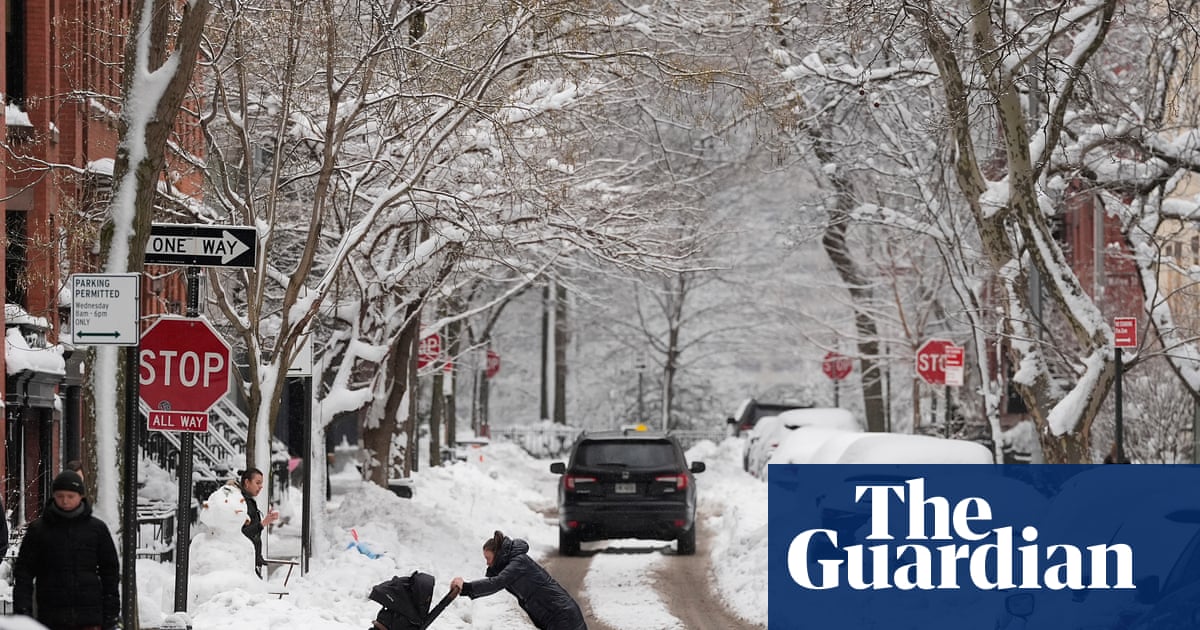
Winter Storm Hernando swept across the north-eastern US on Sunday and into the start of the week.
It unleashed blizzard conditions across much of the region as heavy snowfall combined with gale-force winds.
Blizzard warnings were issued for several cities, including New York City, Portland and Boston, and the article does not specify who issued them.
More than 10,000 flights were cancelled, and schools closed in many states, and the article does not name which authorities or operators made those calls.
At the height of the storm, more than 650,000 homes and businesses were without power.
The article reports at least two deaths attributed to the severe weather.
Northeast snowstorm impacts
The storm intensified rapidly through Sunday: coastal areas of Massachusetts and Rhode Island recorded gusts of about 70mph, and Montauk Point in New York reported stronger gusts of 84mph.
By Monday, snowfall totals had surpassed 38cm (15in) in several locations, including Central Park and John F Kennedy international airport.
Some communities experienced more than six consecutive hours of steady snowfall, with accumulations exceeding 76cm in parts of Massachusetts and on Long Island, New York.
Rhode Island recorded 96cm by Monday night, while Fall River, Massachusetts, reached 1o4cm, making it one of the most significant snowstorms since 2016.
The source reports the Fall River figure as '1o4cm', which appears to include a non-numeric character and may be a typo.
Bomb cyclone summary
The storm has been described as a bomb cyclone, a term derived from bombogenesis, which occurs when a mid-latitude storm rapidly intensifies, with central pressure dropping by at least 24 millibars within 24 hours.
Hernando’s pressure reportedly fell by about 40 millibars in less than 12 hours.
The article attributes the rapid deepening to a sharp contrast between relatively mild, moisture-laden Atlantic air and much colder continental air from Canada, with the abundant moisture producing intense snowfall.
Slightly warmer pockets of air yielded heavier, wetter snow and thus greater accumulations.
Although the worst conditions eased by midweek, the article says lighter snow, sleet, and freezing rain persisted into Thursday and Friday.
Central Australia flooding
An unusually slow-moving weather system brought days of torrential rain to central Australia, drenching vast stretches of the Northern Territory, South Australia, Queensland and New South Wales since early this week.
At Nappa Merrie in south-west Queensland, more than 165mm of rain fell in just 24 hours on Wednesday.
The deluge is described as extraordinary in a region that typically receives 100-200mm over an entire year, according to the article.
The system is expected to linger over the country’s interior until at least Saturday, heightening the risk of further heavy rainfall and renewed flooding in already saturated areas.