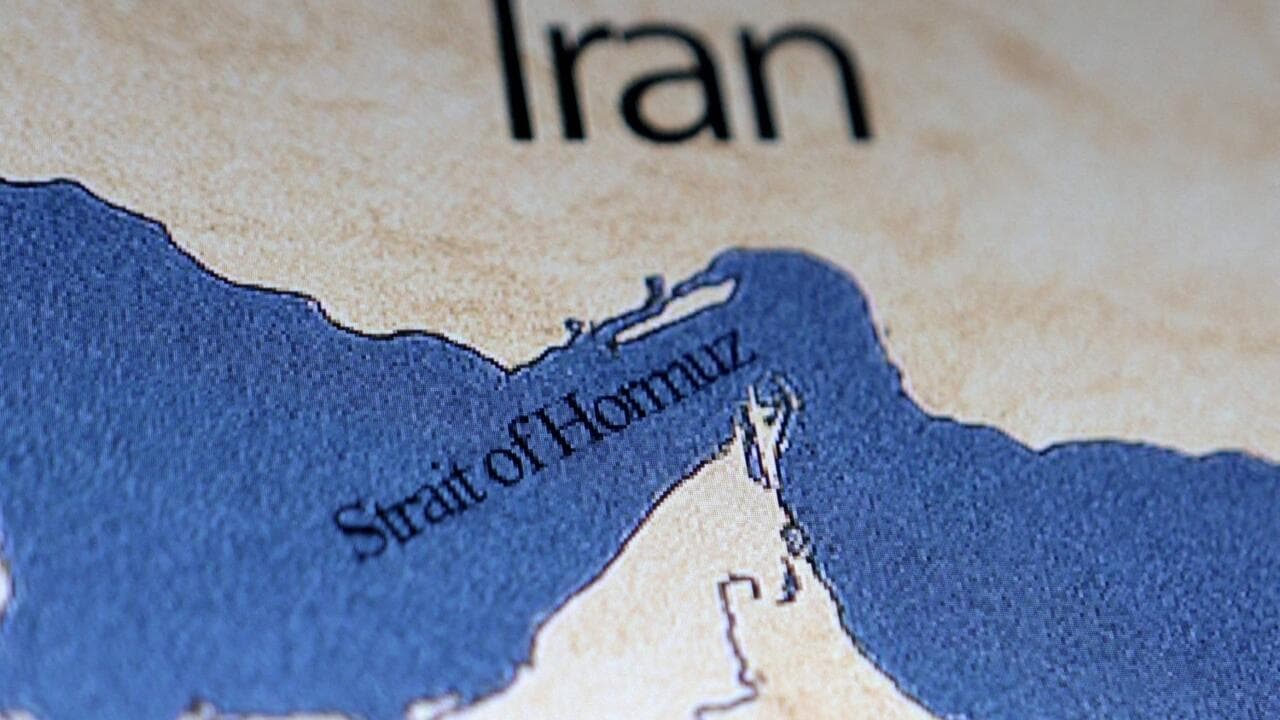
Western and Asian countries announce their readiness to secure the Strait of Hormuz... What is Bahrain's role?
Key Takeaways
- Western and Asian nations pledge to secure the Strait of Hormuz.
- France, Britain, Germany, Italy, the Netherlands, and Japan condemned Iranian attacks.
- The article foregrounds Bahrain's potential role in Hormuz security.
Escalation and joint statement
Western and Asian countries announced readiness to secure the Hormuz Strait as six major powers—France, Britain, Germany, Italy, the Netherlands, and Japan—condemned Iranian attacks that targeted civilian energy infrastructure in the Gulf region.
“Western and Asian countries announce readiness to secure the Hormuz Strait”
This comes as 20 countries, including the aforementioned ones, announced their readiness to contribute to securing navigation through the Hormuz Strait.
A joint statement by 20 countries called on Iran to immediately stop \"obstructing navigation\" in the Hormuz Strait, expressing readiness to help secure it through the United Nations.
Signatories included Bahrain, Britain, France, Germany, Italy, the Netherlands, Japan, Canada, South Korea, New Zealand, Denmark, Latvia, Slovenia, as well as Estonia, Norway, Sweden, Finland, the Czech Republic, Romania, and Lithuania.
According to the Bahraini state news agency on Saturday, the joint statement said that attacks on oil and gas facilities and unarmed merchant ships represent a serious escalation, urging an immediate and comprehensive halt to these operations, especially those targeting critical civilian infrastructure.
Direct threat to global shipping.
The countries expressed in the statement their \"readiness to contribute to appropriate efforts to ensure safe passage through the Hormuz Strait,\" welcomed the commitment of the countries participating in preparatory planning in this regard, and the International Energy Agency's decision to authorize the coordinated release of strategic oil reserves, and to take further steps to stabilize energy markets, including working with some producing countries to increase production.
Freedom of navigation emphasis
They condemned Iran's recent attacks on unarmed merchant ships in the Gulf, attacks on civilian infrastructure including oil and gas facilities, and the de facto closure of the Hormuz Strait by Iranian forces.
It affirmed that \"freedom of navigation is a fundamental principle of international law, including what is stated in the United Nations Convention on the Law of the Sea,\" noting that \"the effects of Iran's actions will affect peoples around the world, especially the most vulnerable.\"
Macron's international framework plan
French President Emmanuel Macron proposed creating an 'international framework' to organize an international mission aimed at securing navigation, stressing that his country is ready to contribute to a system for escorting ships, but without engaging in military operations or forcibly opening the strait given ongoing military operations in the region.
“Western and Asian countries announce readiness to secure the Hormuz Strait”
IMO emergency meeting
In light of the deteriorating situation, the International Maritime Organization is holding an emergency meeting in London to discuss \"practical measures\" to ensure the security of navigation in the Hormuz Strait, in an effort to prevent the crisis from worsening and its effects on the global economy and supply chains.
More on Iran

President Trump Says Iran Deal Within Reach Amid Talks With Senior Iranian Official
10 sources compared

Trump Approves Iran Operation After Netanyahu Presses for Joint Strike on Khamenei
12 sources compared

President Donald Trump orders ICE officers deployed to airports amid DHS shutdown.
227 sources compared
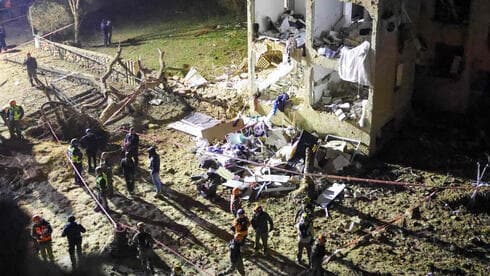
Iranian Missiles Strike Israel; Officials Report 180 Injured Amid Conflicting Casualty Figures.
12 sources compared